
VANTURE

Cub Campers Models, Specs & Prices

No Cub Campers listings right now

Set an alert and we'll email you the moment a Cub Campers matching your criteria appears on VANTURE — often before they're indexed by Google.

Popular Cub Campers models

Why Cub Campers?

Find Cub Campers caravans on VANTURE — set an alert and we'll email when one is listed. Compare all 9 Cub Campers models with full specs, weights and pricing. The range spans from the lightweight F14 and H14 (both under 1800 kg tare, towable by most mid-size SUVs) through to the larger C18 (2427 kg tare, 3500 kg ATM) for couples and small families wanting more living space. Most models come in standard and bunks layouts. All are built for off-road touring. Set an alert on VANTURE — Australia's dedicated caravan marketplace — and we'll notify you when a new Cub Campers matches your criteria.

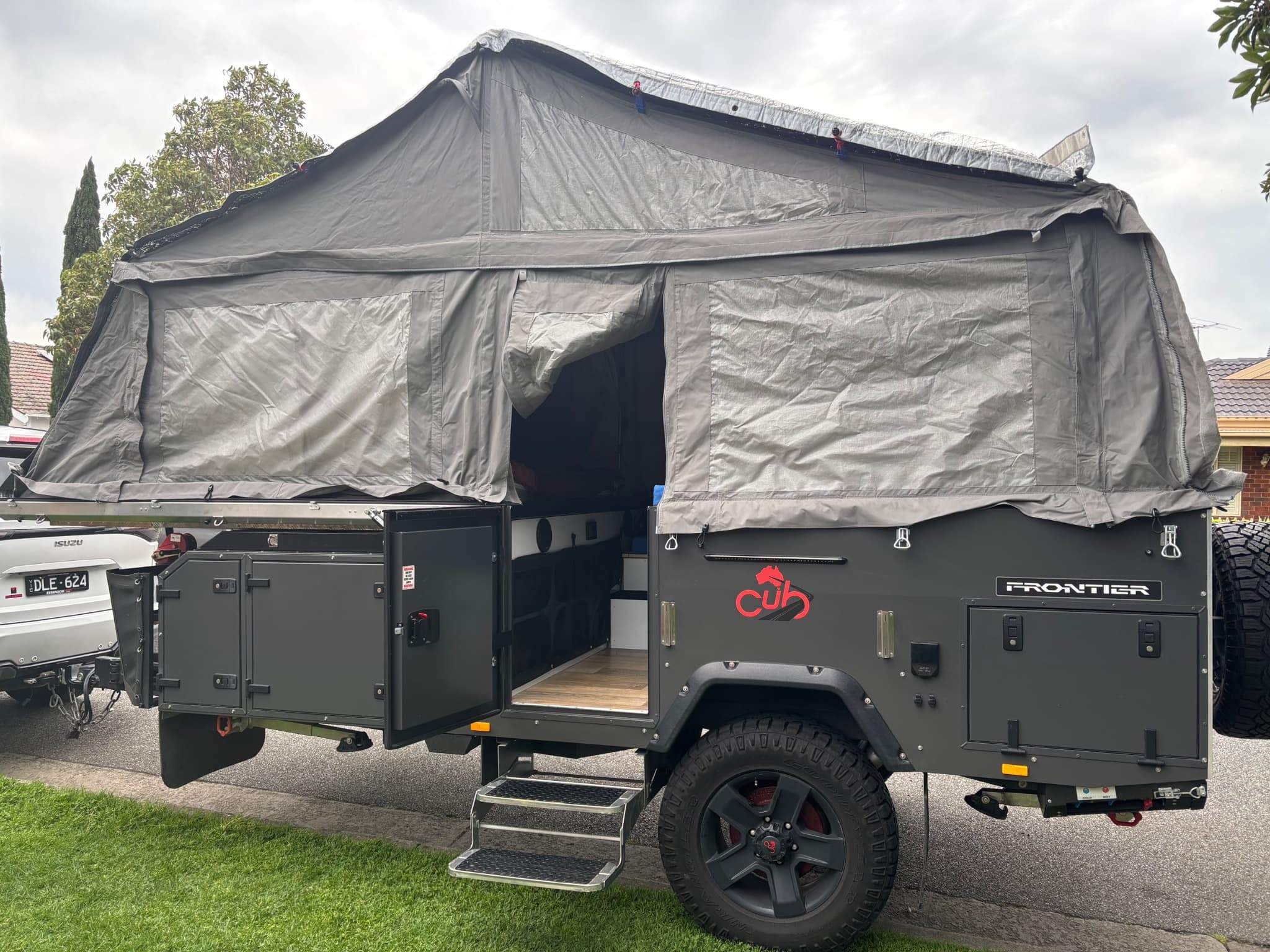
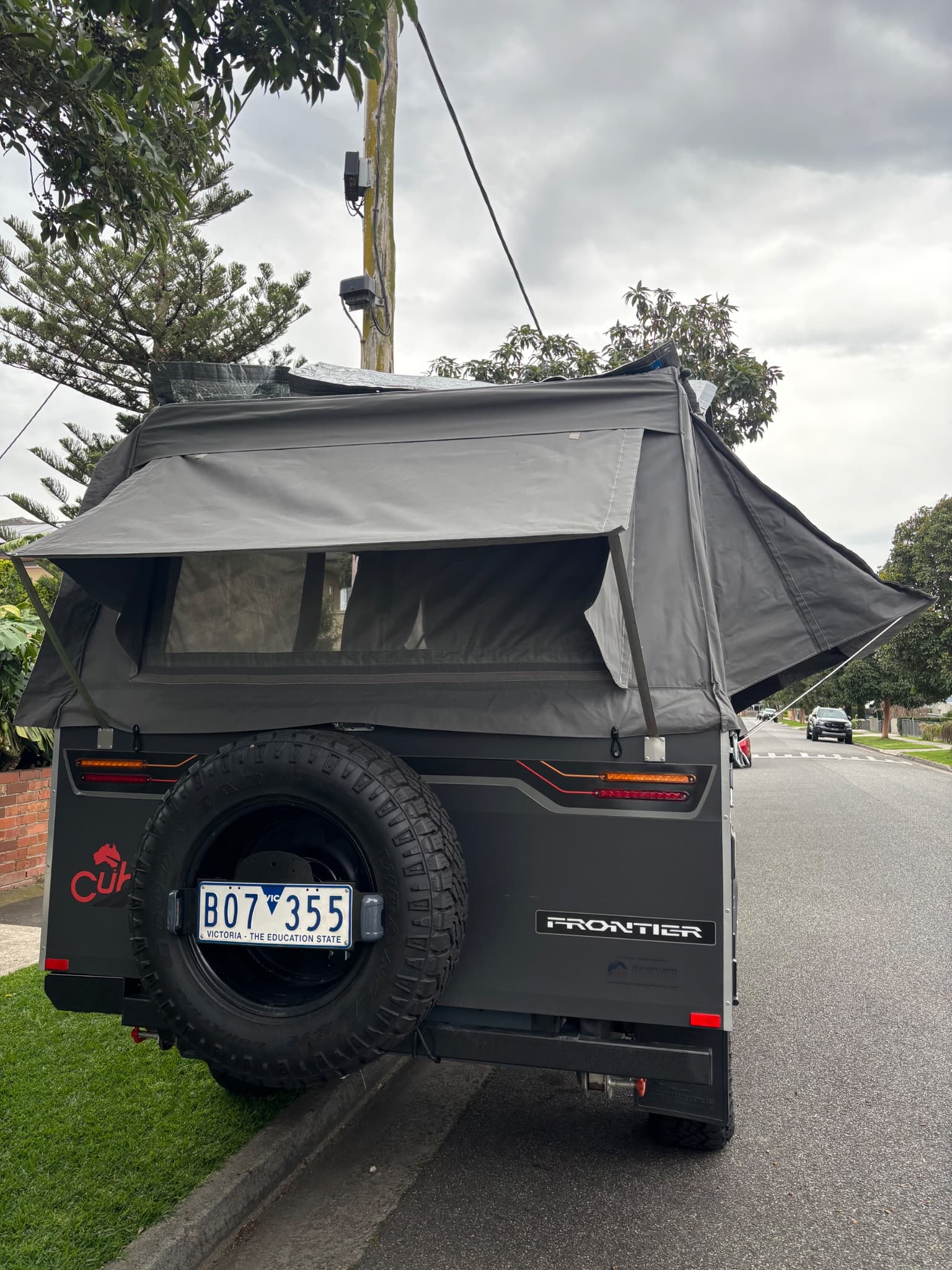
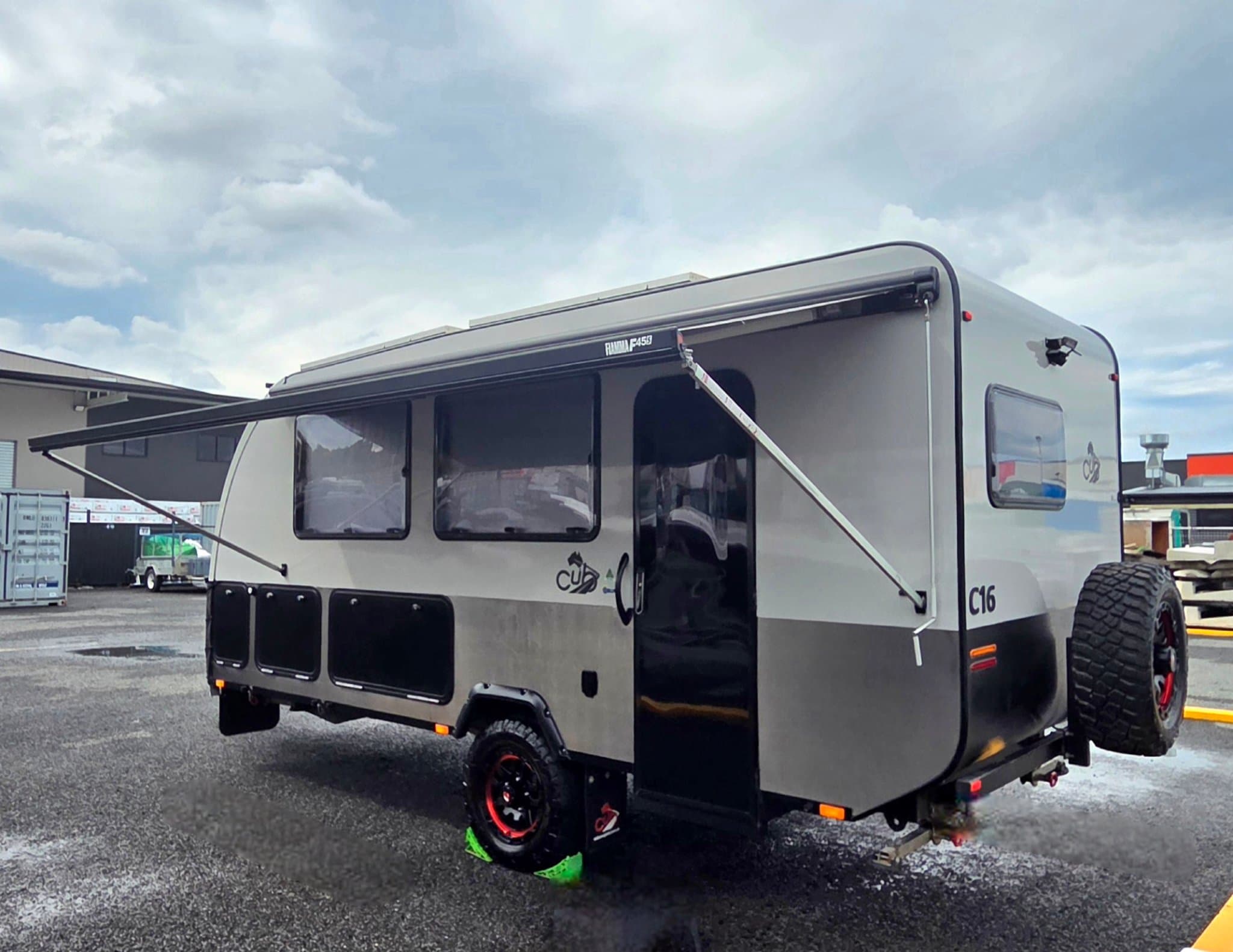
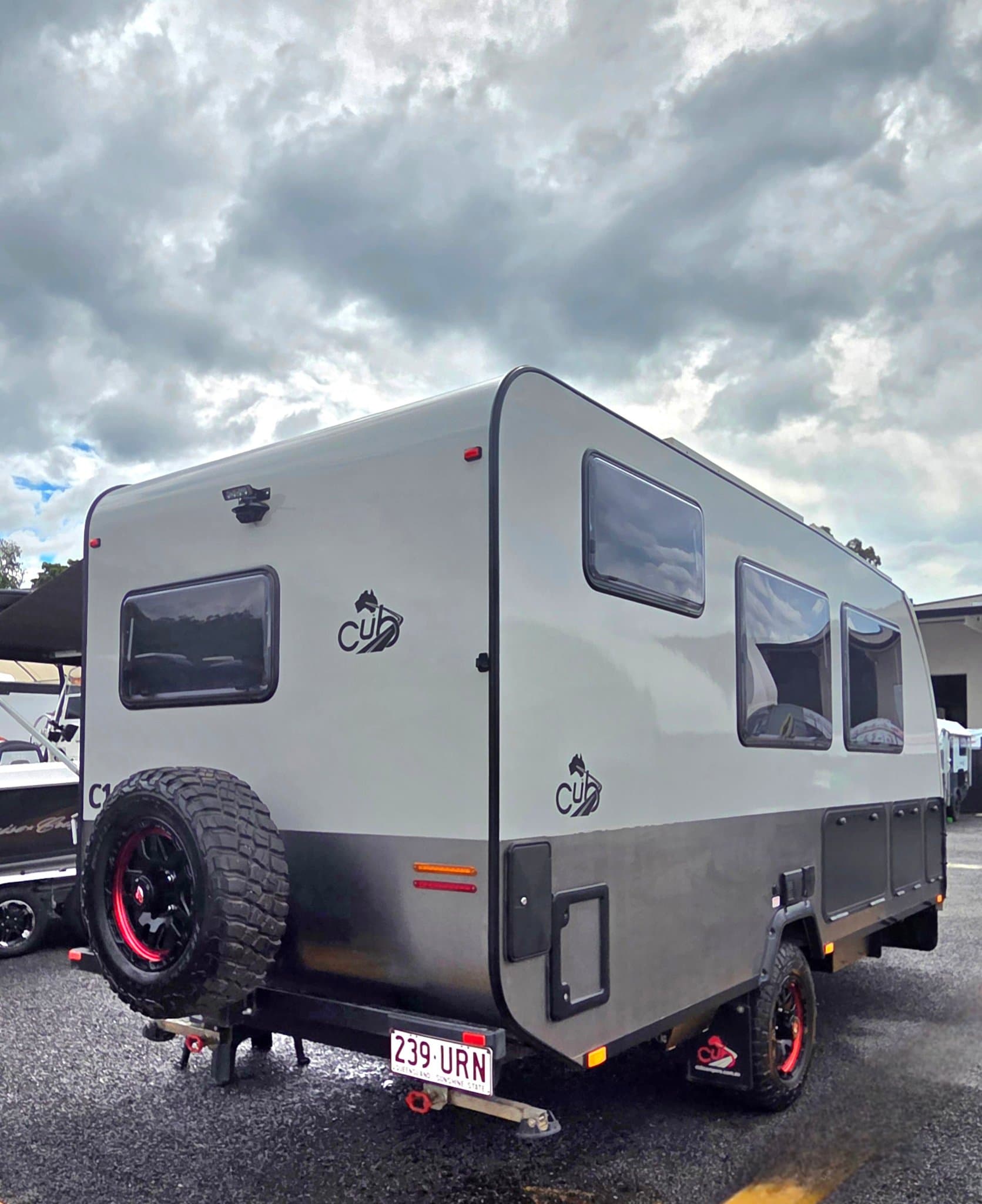
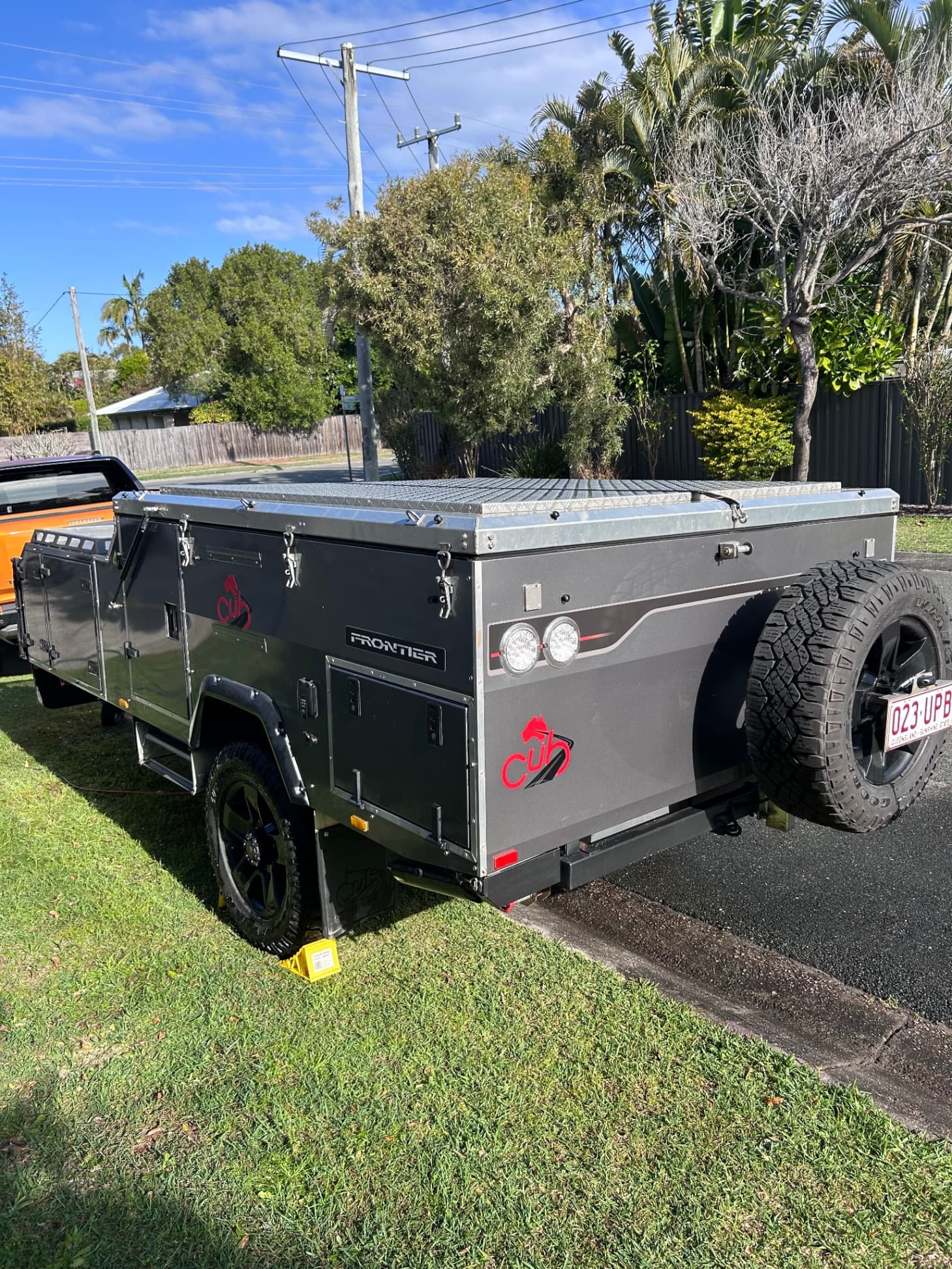
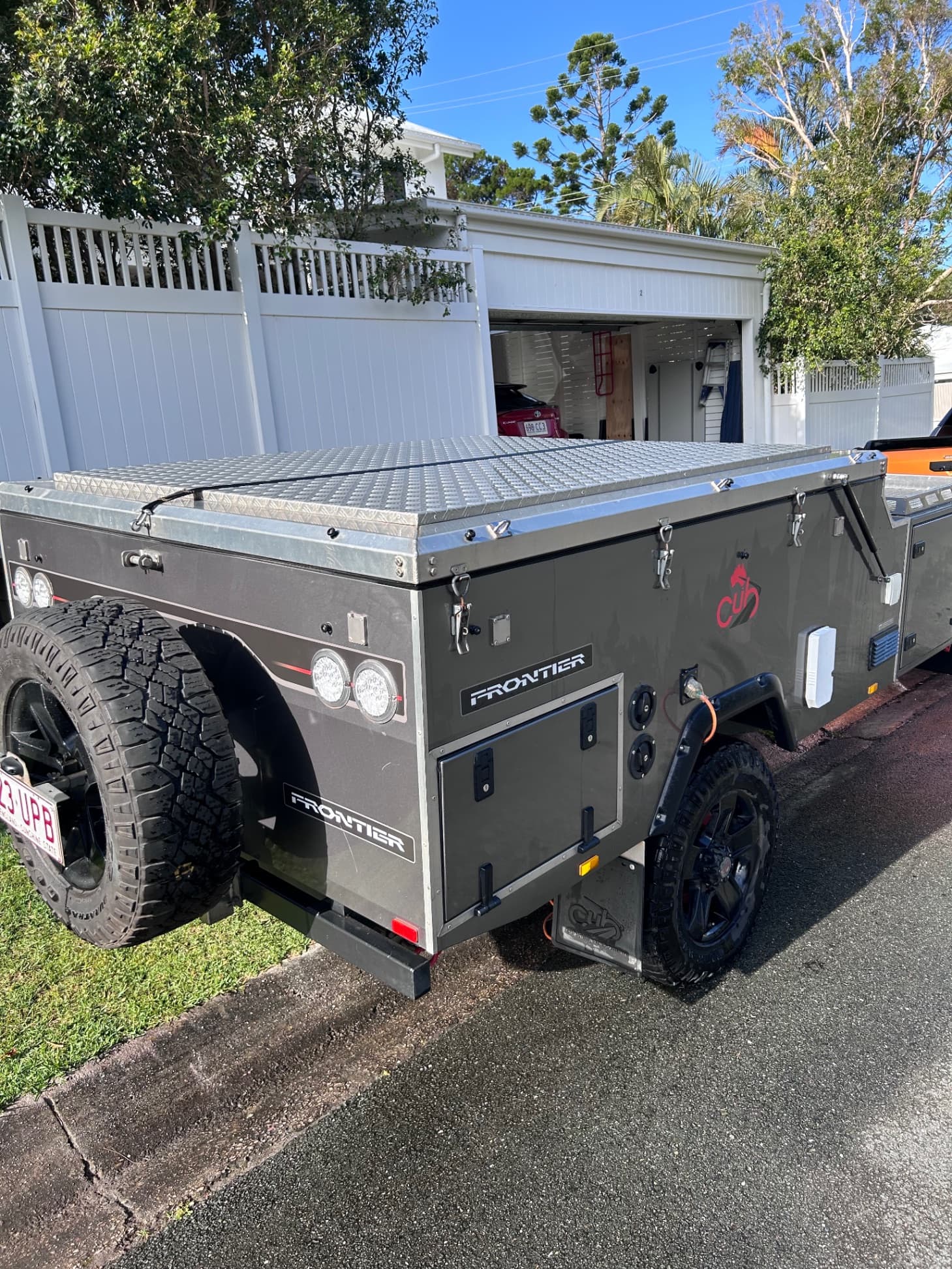
Cub Campers manufactures lightweight off-road caravans designed for Australian touring conditions. The brand focuses on compact, towable models built to handle unsealed tracks and remote travel. The lineup spans nine distinct models across three main size categories: the F14 and H14 entry-level tourers (tare 1759–1790 kg), the mid-size H16 and L16 ranges (tare 1844–1900 kg, available with bunk layouts for families), and the larger C16 and C18 models (tare 2100–2427 kg) that offer more living space while staying within reach of standard 4WD tow capacities. All models feature off-road construction. The bunks-layout variants of the H16, L16 and C16 expand sleeping capacity for family groups, making the range suitable for both couples seeking lightweight weekend getaways and families planning longer remote touring trips.

Cub Campers buyer's guide

Who buys a Cub Campers caravan?

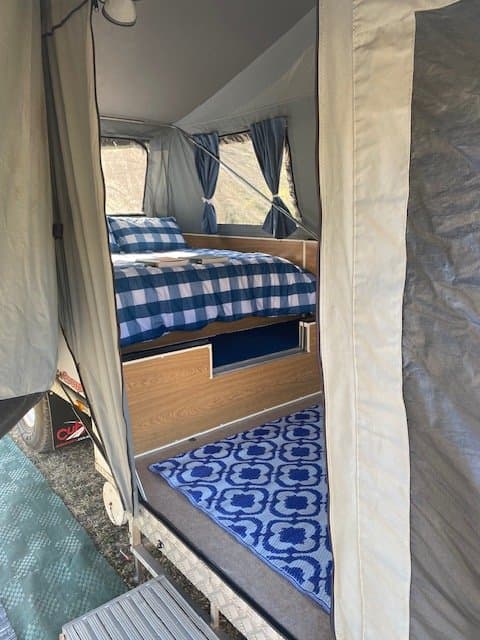
Cub Campers appeal to off-road tourers and families wanting to travel light on unsealed tracks. Buyers of the F14 and H14 are typically couples or small families with mid-size SUVs (HiLux, Landcruiser Prado, Colorado) who want a caravan that won't stretch their vehicle's tow capacity. The H16, L16 and C16 standard layouts suit experienced travellers heading to remote destinations; the bunks variants of these models target families with young children who need extra sleeping bunks without stepping up to a full-size family van. The C18 is pitched at buyers willing to accept a heavier ATM (3500 kg) for significantly more internal space and comfort. Most Cub Campers buyers are doing serious outback travel—unsealed roads, camp-off-grid, extended trips—rather than frequent caravan-park visits.

What to inspect

Check the chassis welds, especially where the drawbar meets the frame and at corner junctions—off-road use puts stress on joints. Look for rust bloom or paint lifting in these areas, which signals water ingress or salt damage. Inspect the jockey wheel mount; if it's cracked or the wheel spins loosely, re-welding will be needed before towing. Walk around the body and look for soft spots or delamination along the walls and floor edges—Cub Campers use composite construction, and impact damage or water pooling can weaken panels. Check window and roof-vent seals for cracking or old sealant; these are common water-entry points on off-road caravans that spend time in the sun. For bunks-layout models, test the fold-up mechanisms and look for canvas tears or mold along fold seams. Check tyre condition and sidewall cracking; off-road travel accelerates tyre wear.

Value and resale

VANTURE has no sold Cub Campers data yet, so we cannot draw reliable resale conclusions. However, lightweight off-road caravans in the under-2500 kg ATM range (the F14, H14, H16 and L16 models) tend to hold value well because they remain within tow reach of common SUVs—a key buying constraint for family buyers. The larger C16 and especially the C18 (3500 kg ATM) appeal to a narrower buyer pool, which may affect resale speed. Buying used is attractive if the chassis and seals are sound, because off-road caravans absorb depreciation quickly in their first two years. Watch for heavily travelled units: high-mileage outback trips accelerate wear on suspension, axles and water systems. New Cub Campers are typically priced competitively against rival lightweight off-road brands, but without active listings on VANTURE, we cannot give you current range data.

Frequently asked questions about Cub Campers

Where are Cub Campers caravans made?

Cub Campers manufactures caravans in Australia. The brand builds all models with off-road touring as the core design intent, using construction methods suited to remote travel—composite body panels, reinforced chassis and sealed systems designed to handle dust, heat and rough terrain. Check the compliance plate or ask a dealer for the manufacturing location and construction specs for the specific model you're considering.

What's the price range for a Cub Campers caravan?

VANTURE has no active or sold Cub Campers listings yet, so we cannot provide reliable pricing data from the marketplace. Entry-level models like the F14 and H14 (tare 1759–1790 kg) are typically the most affordable, while the C18 (2427 kg tare, 3500 kg ATM) commands a premium due to extra living space. Contact a Cub Campers dealer for current new pricing, or check VANTURE periodically and set an alert—we'll email you when one is listed so you can see real asking prices from private and trade sellers.

What Cub Campers models are best for off-road touring?

All nine Cub Campers models are designed for off-road use. For couples or small groups doing serious outback travel, the F14 and H14 are unbeatable—sub-1800 kg tare, under 2500 kg ATM, and easy to manoeuvre on tight tracks. The H16 and L16 offer more living space while staying in the 2500 kg ATM sweet spot; choose the bunks layout if you're travelling with children. The C16 and C18 are heavier (up to 3500 kg ATM) but provide significantly more comfort for extended remote trips. All models feature off-road construction; the trade-off is weight versus space.

How does Cub Campers hold its value on the second-hand market?

Sold data for Cub Campers is limited—VANTURE has no sold listings to date—so we cannot draw a firm resale conclusion yet. However, lightweight caravans under 2500 kg ATM (the F14, H14, H16 and L16) typically hold value well because they remain towable by common mid-size SUVs, a key buyer constraint. The larger C16 and C18 appeal to a narrower buyer pool. Off-road caravans absorb depreciation quickly in the first two years, so buying a 3–5-year-old unit in sound condition can offer value—but always inspect the chassis, seals and suspension carefully. Set an alert on VANTURE and monitor asking prices as Cub Campers become available.

What should I check when buying a used Cub Campers caravan?

Start with the chassis: inspect welds at the drawbar join and frame corners for rust bloom, paint lifting or hairline cracks. These joints flex under off-road use and water gets in. Check the jockey wheel mount for cracks; if it's damaged, welding will be needed. Walk the body perimeter looking for soft spots, especially at corners and floor edges—composite panels delaminate if water pools inside. Inspect window and roof-vent seals; cracks or hard, brittle sealant are red flags. For bunks layouts, test the fold mechanism and examine canvas for mold or tears. Check tyre sidewalls for cracking (off-road travel accelerates wear) and suspension bushes for play. Always view the unit in person and test towing if you can.

How off-road capable is a Cub Campers caravan?

All Cub Campers models are purpose-built for off-road touring. The brand uses reinforced chassis, composite body panels and sealed water systems designed to handle dust, heat and rough tracks. Lighter models like the F14 and H14 (under 1800 kg tare) are nimble on tight, rocky terrain and easy to extract if bogged; they're ideal for track-only travel. The H16 and L16 offer a balance of space and manoeuvrability. The C16 and especially the C18 are heavier (up to 3500 kg ATM) and suit established dirt roads and campsite tours rather than technical climbing. All models are sealed against dust and water ingress better than a typical caravan-park-focused van. Off-road capability depends partly on your tow vehicle's approach angle, payload and suspension—a capable 4WD will get much more from a Cub Campers than a stock 2WD SUV.

Can a common mid-size 4WD tow a Cub Campers caravan?

Yes—most Cub Campers models sit comfortably within the tow range of common mid-size 4WDs. The F14 and H14 (ATM 2500 kg) are towable by HiLux, Landcruiser Prado, Colorado and similar vehicles with standard tow capacities of 2500–2800 kg. The H16 and L16 (ATM 2500 kg) are identical. The C16 reaches 2700 kg ATM, requiring a vehicle rated to at least 2700 kg; check your vehicle's compliance plate before towing. The C18 is the exception—at 3500 kg ATM, it needs a heavier 4WD or truck with a tow rating of 3500+ kg. Always verify your vehicle's exact tow capacity (including payload and tare weight) against the caravan's ATM before purchasing. A dealer or compliance plate check will confirm the match.

Be the first to list a Cub Campers on VANTURE

No Cub Camperss listed right now — that means zero competition for buyer attention. List yours from $69.

List your Cub Campers
Finance partnerFastr Finance

Found the one? Get pre-approved in minutes.

Compare competitive rates from 30+ lenders. Pre-approval in minutes with no impact on your credit score. Tailored for caravans, campervans and motorhomes.

Get pre-approvedNo obligation. Takes 2 minutes.