

VANTURE

Goldstream RV for Sale in Australia

11 listings for sale

Browse 11 Goldstream RV caravans for sale across Australia.

Goldstream RV For Sale

View all

Popular Goldstream RV models

Why Goldstream RV?

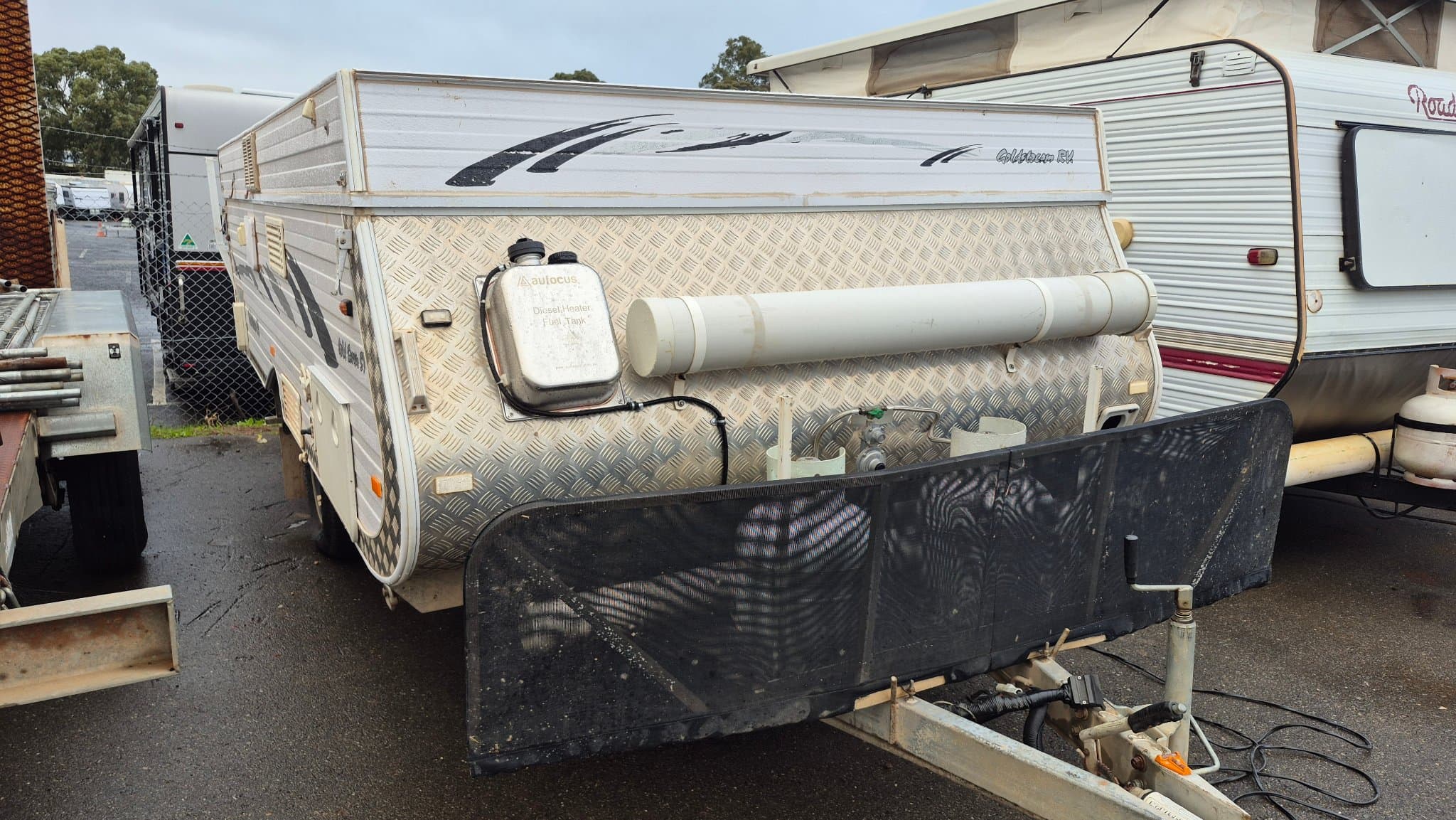
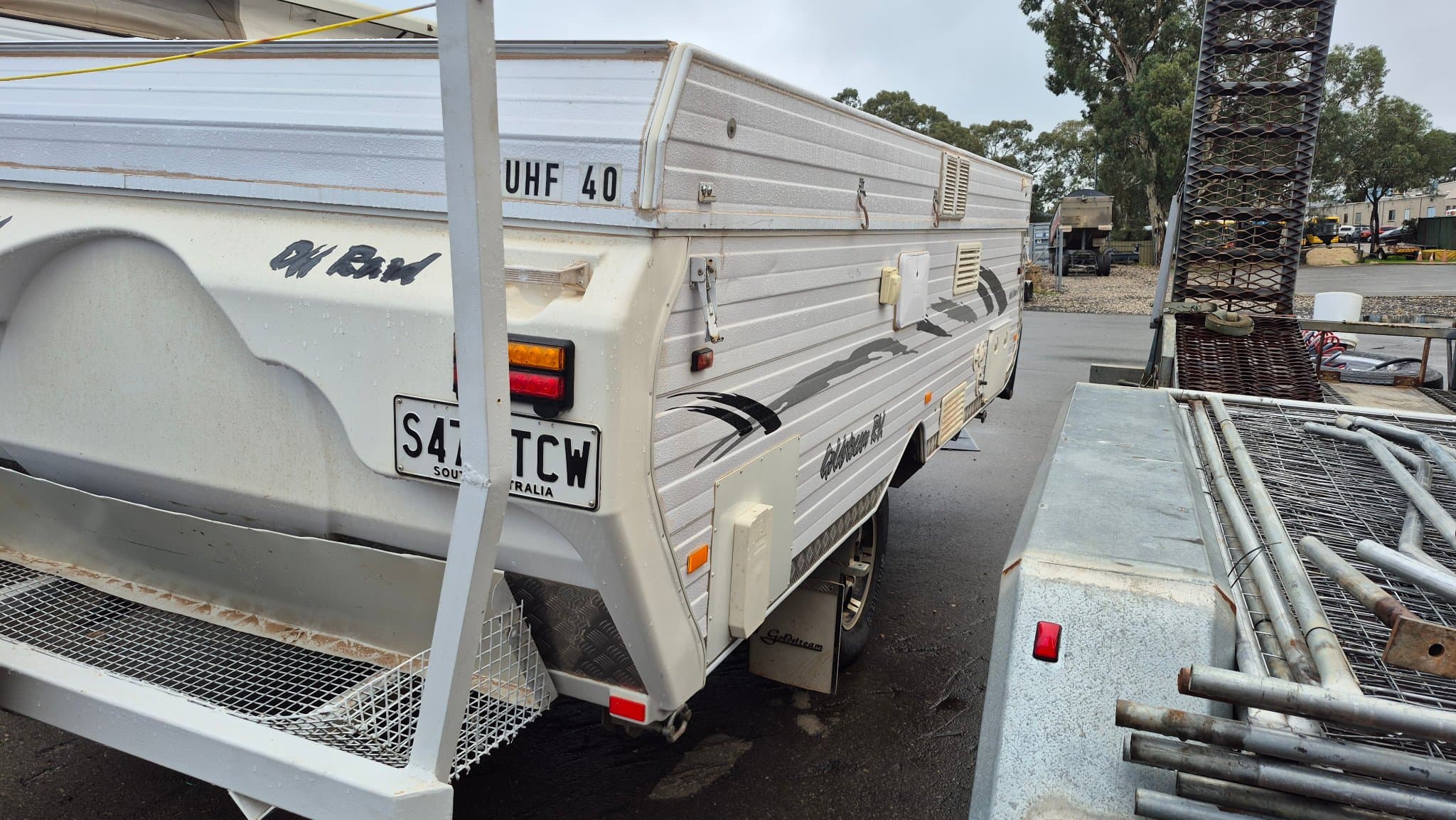
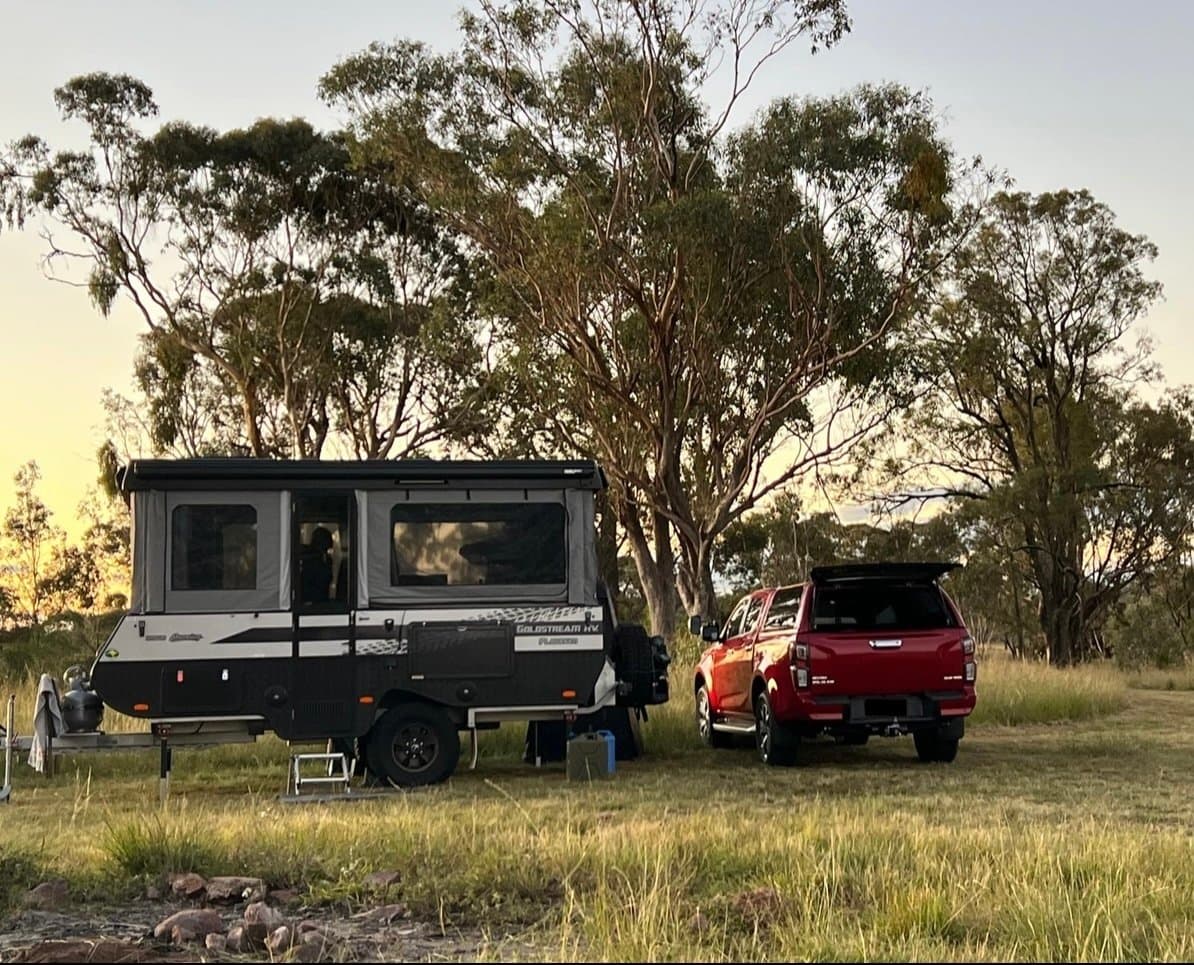
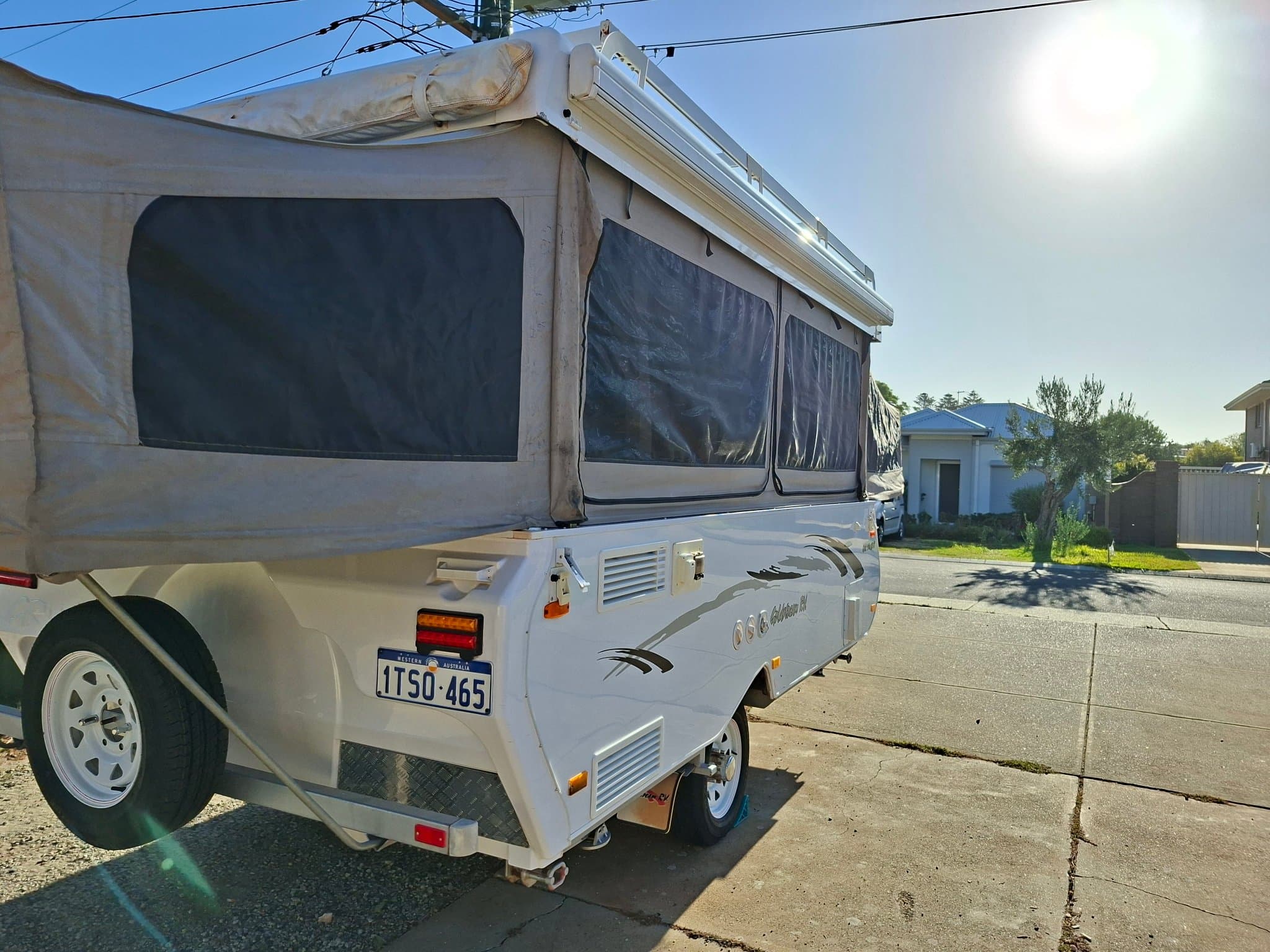
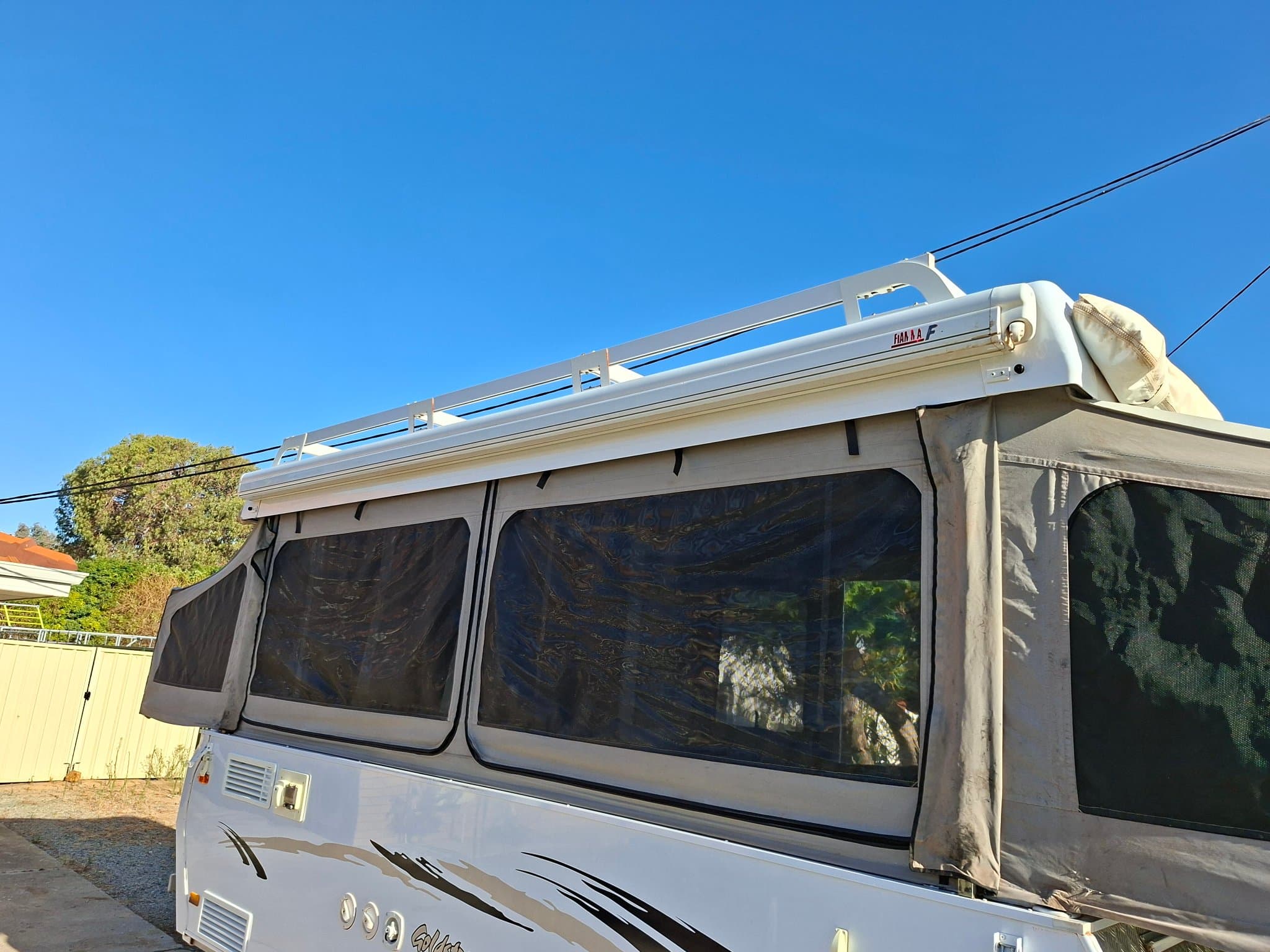
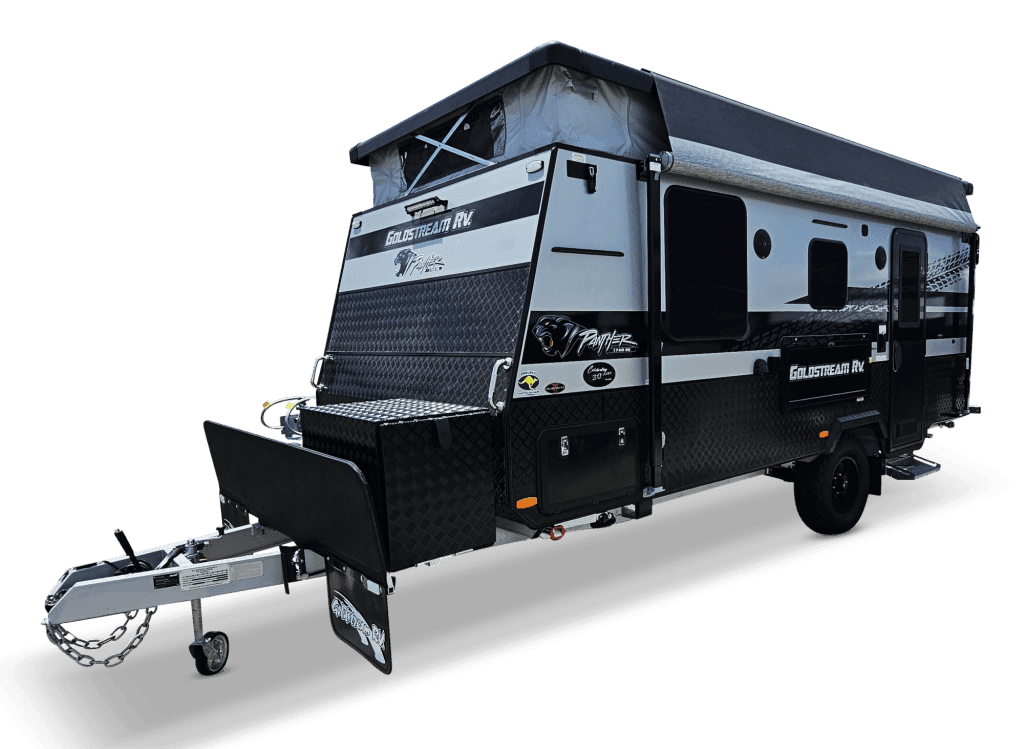
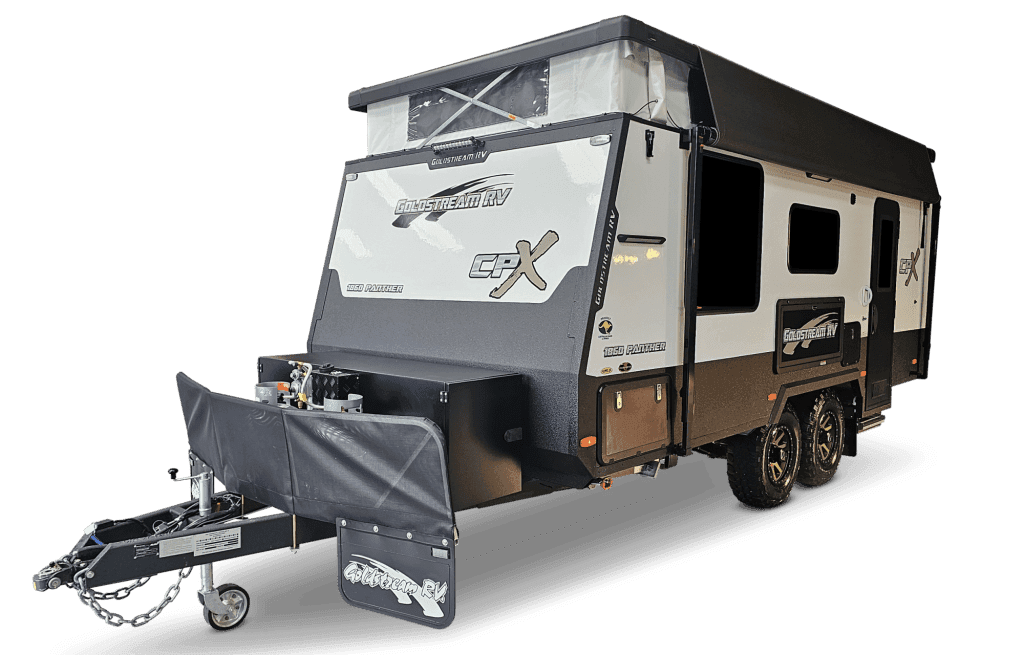
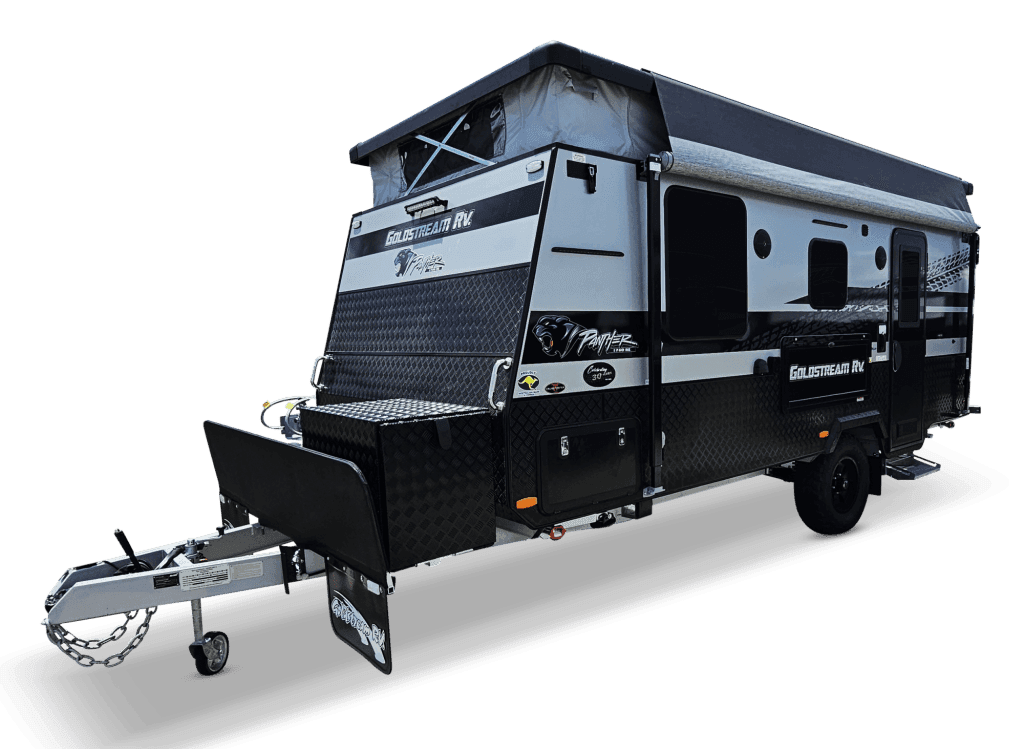
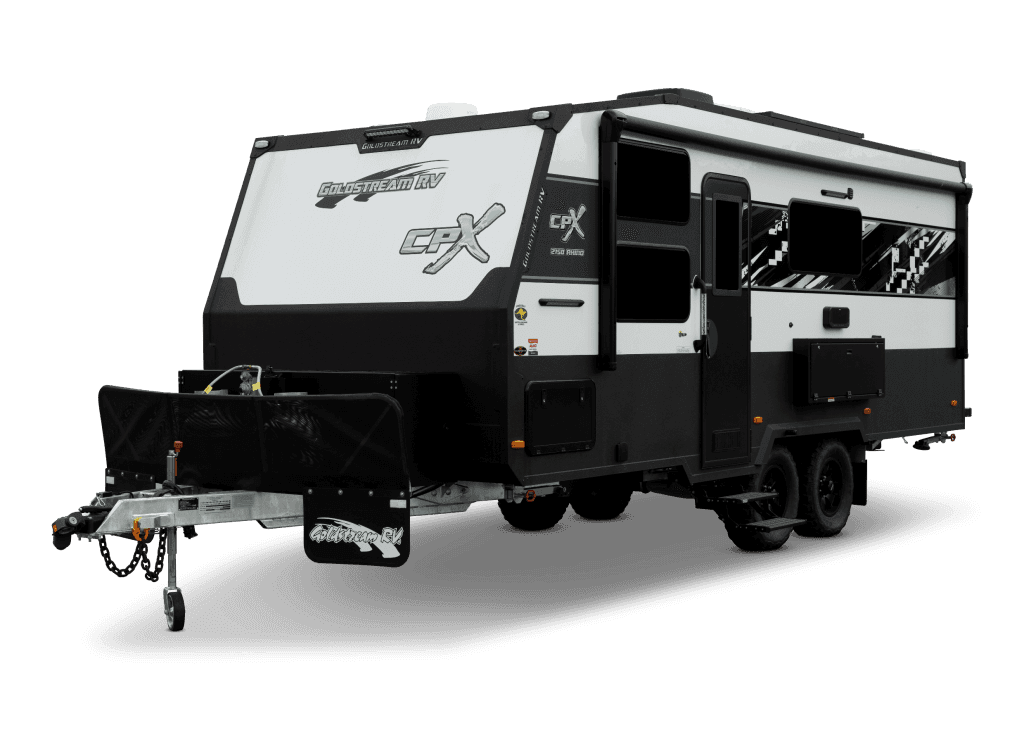
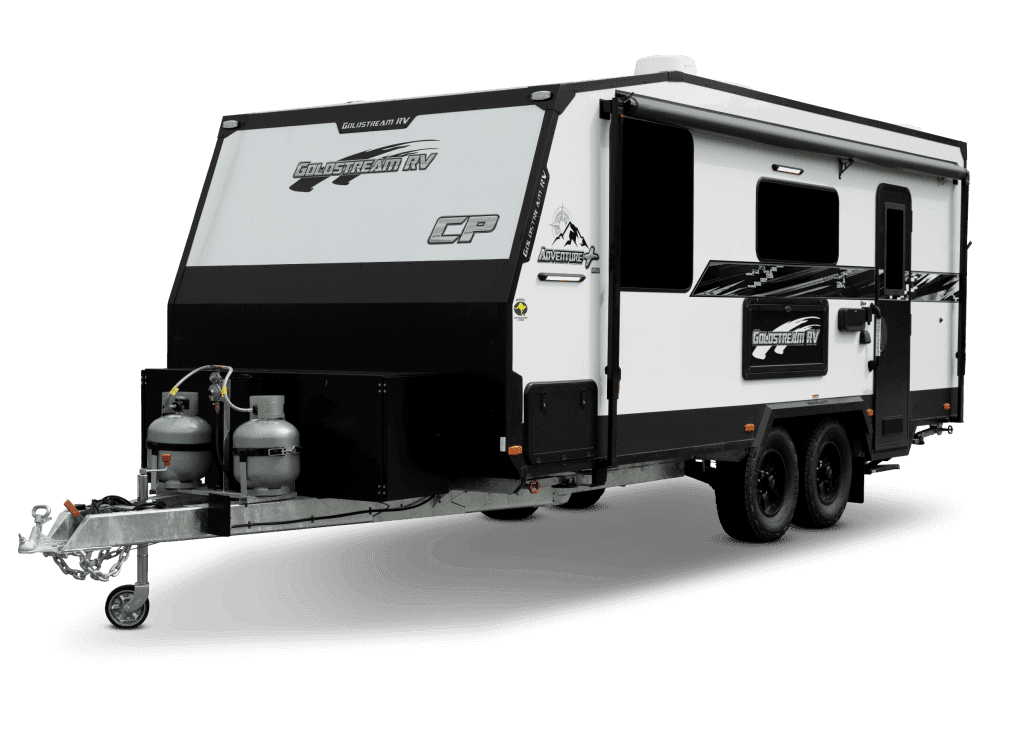
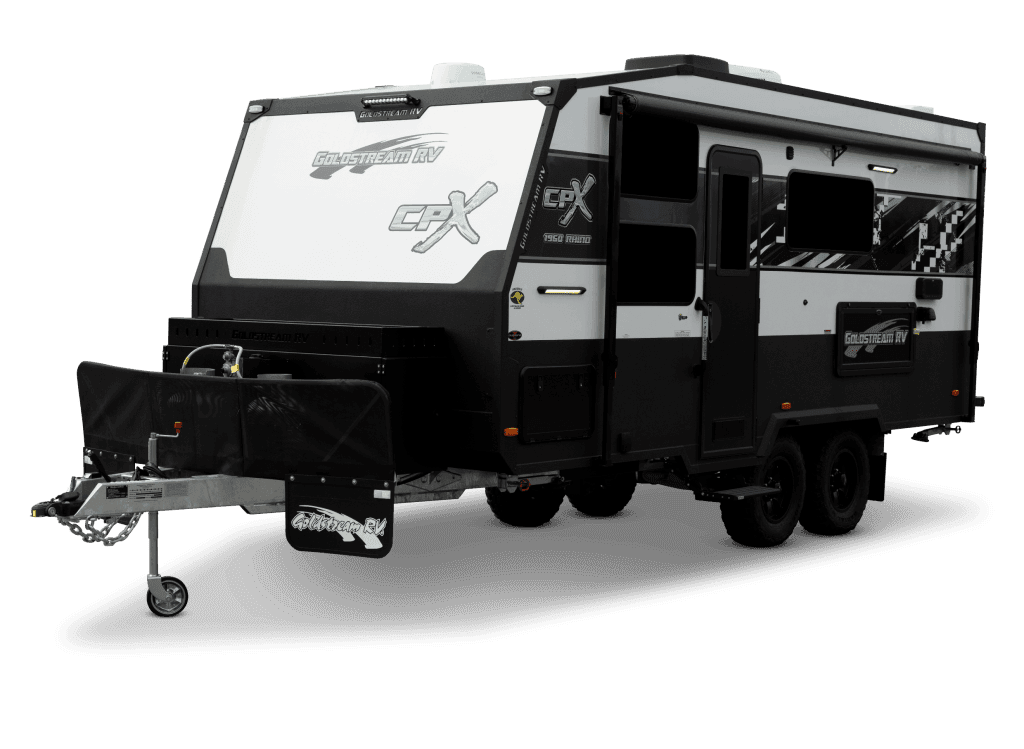
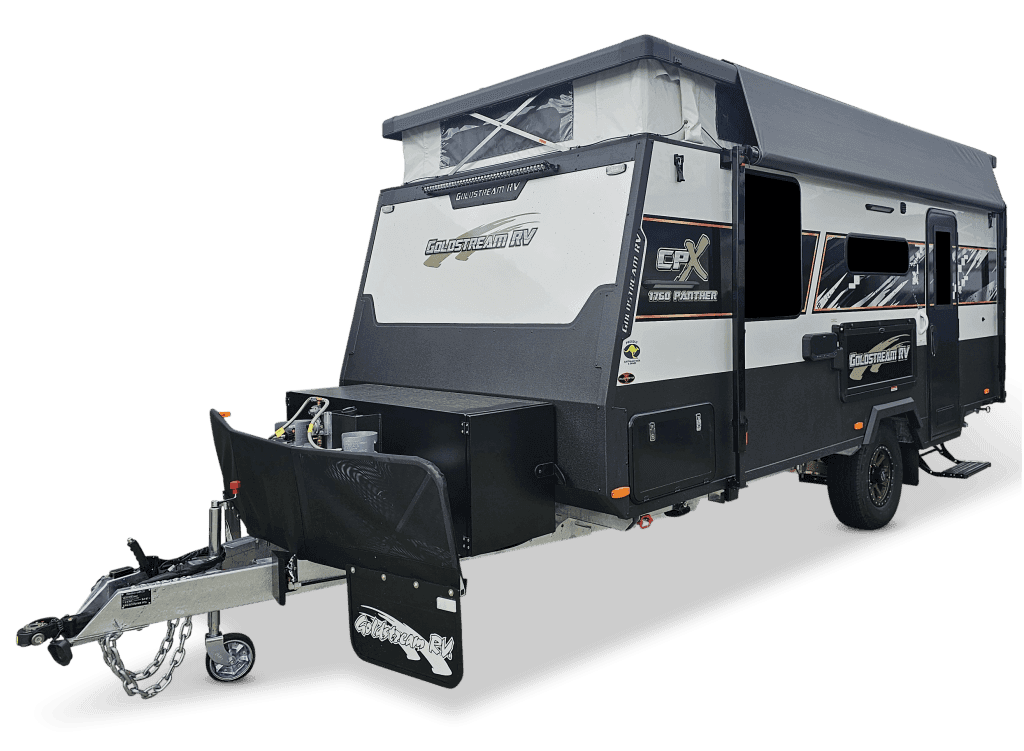
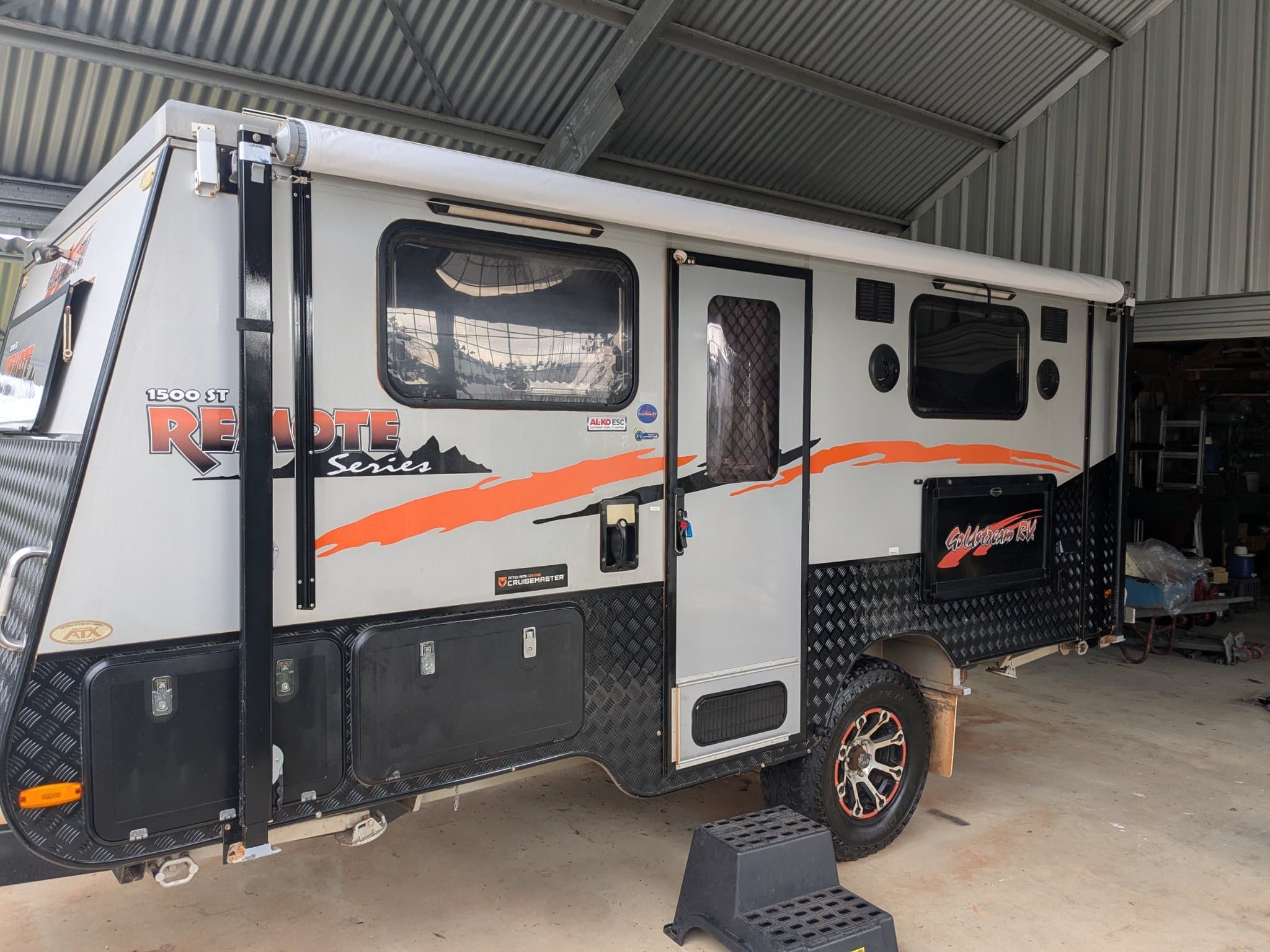
Browse 11 Goldstream caravans for sale across Australia on VANTURE, Australia's dedicated caravan marketplace. Goldstream builds a focused lineup across the 1500 Remote, 1760, 1800, 1860, 1960, 2050, 2150, 2200 and 2300 series — single-axle couples' vans through tandem-axle family bunks. Tare weights run from 1700 kg for the lightweight 1500 Remote up to 2750 kg for the 2300 Club CE, with ATM reaching 3350 kg on the larger tandem models. Set an alert on VANTURE and we'll email when a new Goldstream matches your search.

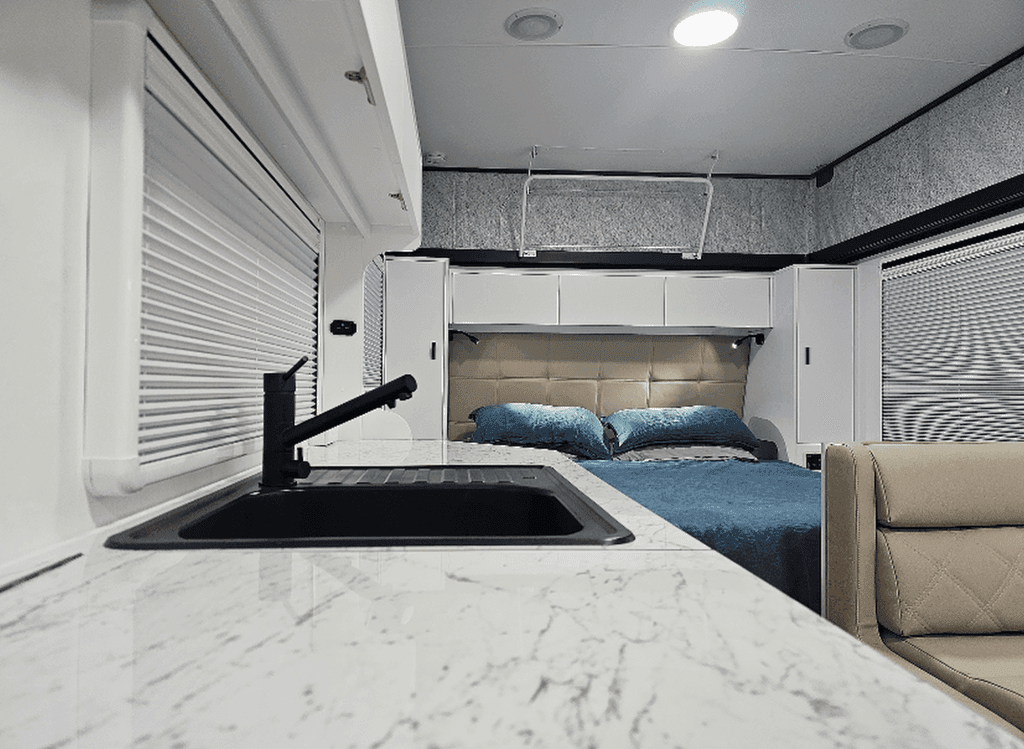
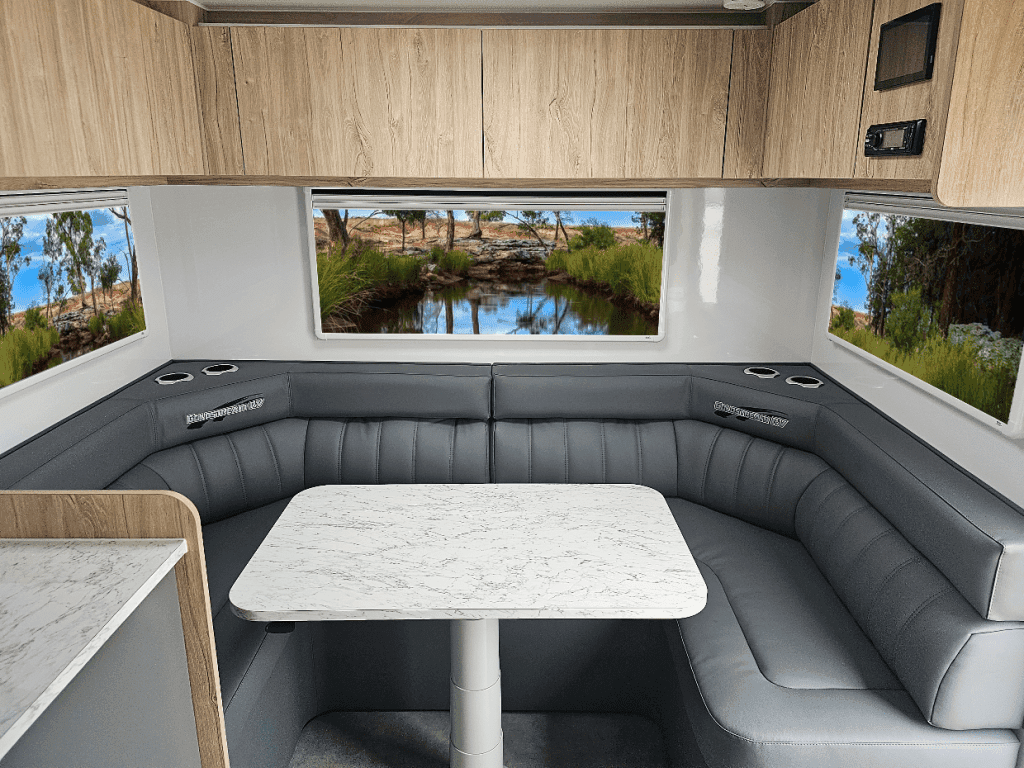
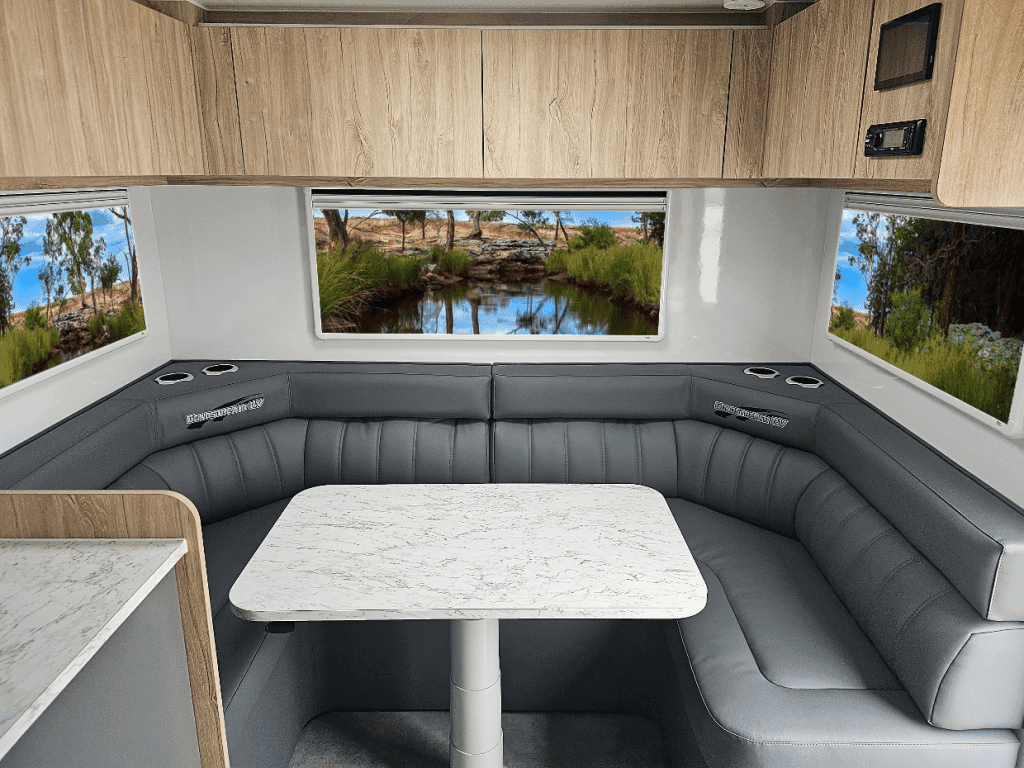
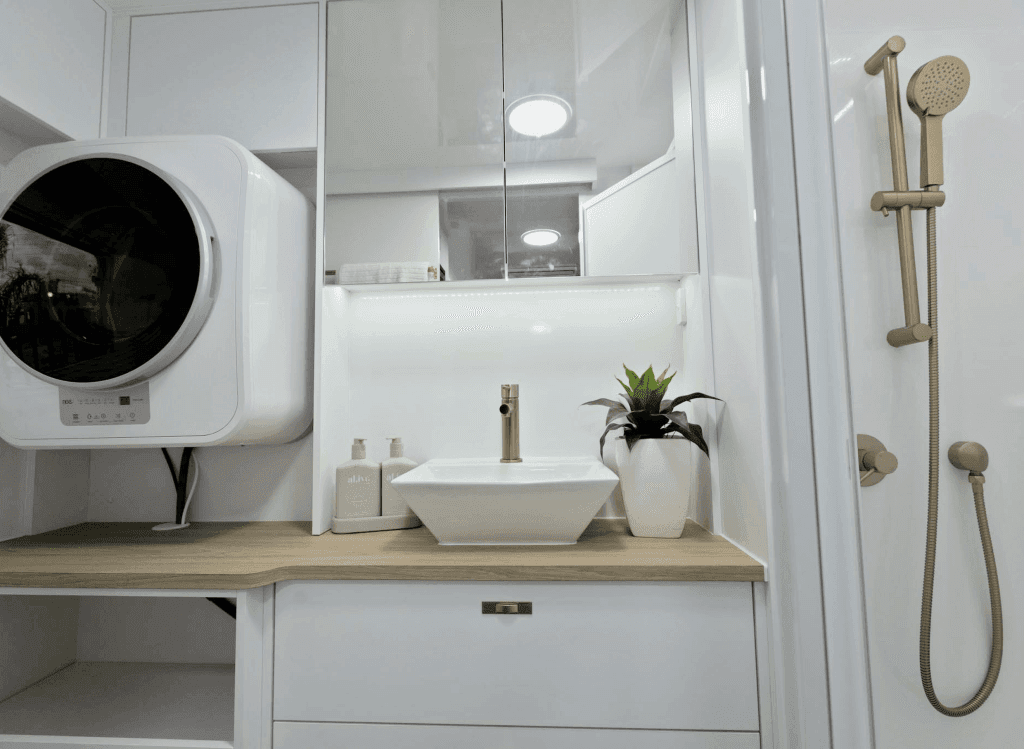
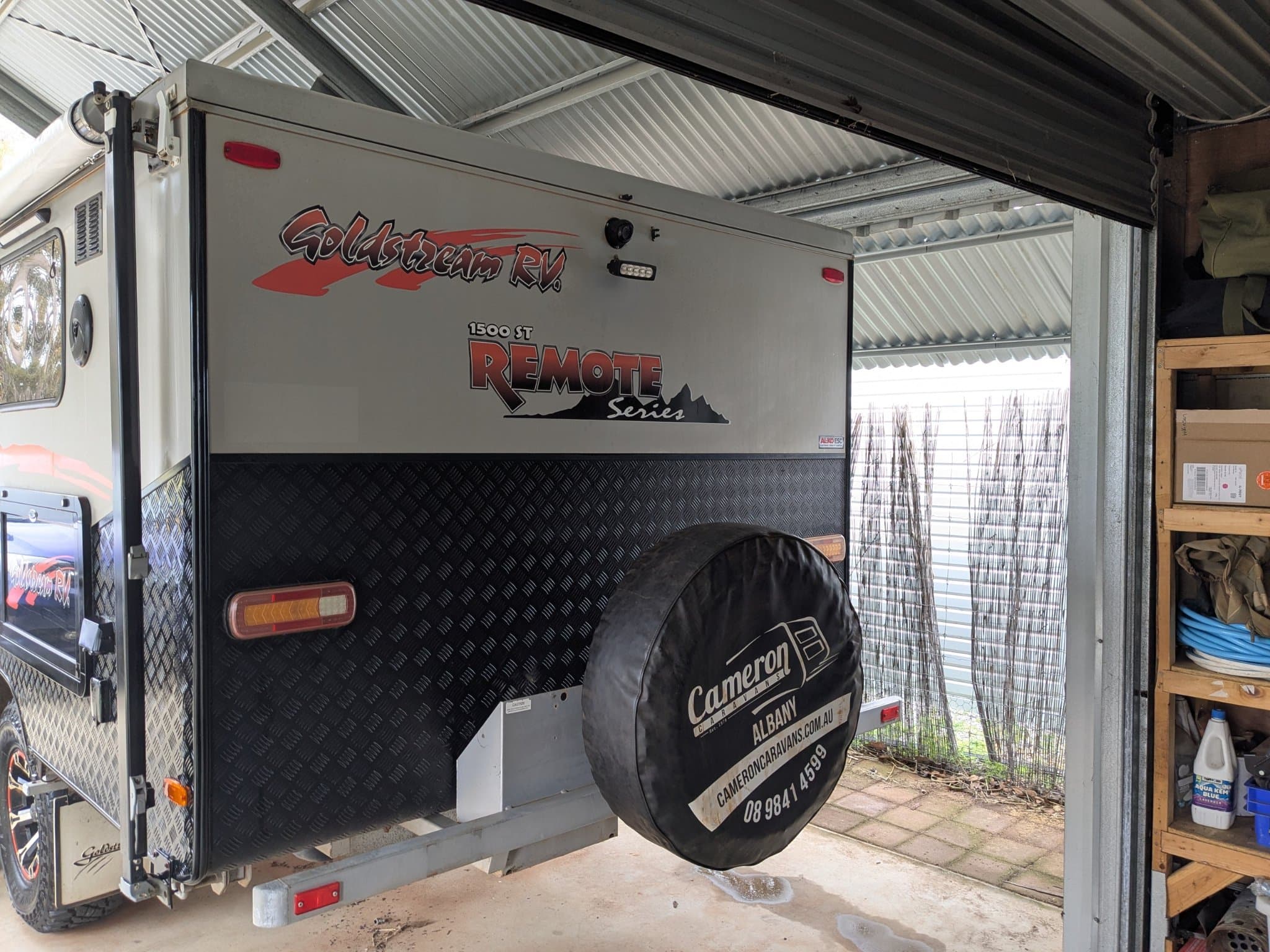
Goldstream RV operates as a caravan manufacturer with a modular approach across single-axle and tandem-axle configurations. The brand's model portfolio spans from the 1500 Remote Series — designed for couples seeking towable weight under 2300 kg ATM — through to the 2300 Club CE tandem-axle layout for larger touring parties. Core layouts include rear-bunk (sleeps 4–5), cafe-style dinettes, and ensuite configurations across the mid-range 1760, 1800 and 1860 series. The 1500 Remote series offers three configurations (EWB, QB, SB) all at 2300 kg ATM, pitched at first-time buyers and smaller-tow-capacity vehicles. Tandem-axle models (2050, 2150, 2200, 2300) reach 3350 kg ATM, targeting grey nomads and families who need both payload and extended living space. Single-axle variants of the 1500, 1760, and 1800 maintain the same layout flexibility at slightly reduced tare. Goldstream's range sits firmly in the mid-market caravan segment—not ultra-lightweight pop-tops, not luxury fifth-wheels—focusing instead on practical, configurable vans suited to Australian towing conditions.

Goldstream RV buyer's guide

Who buys a Goldstream caravan?

Goldstream's lineup attracts three broad buyer groups. First-time buyers and couples often choose the 1500 Remote Series (1700 kg tare, 2300 kg ATM) — light enough for most mid-size SUVs and dual-cab utes, yet offering two-person sleeping and functional kitchens. Families with kids gravitate toward the rear-bunk models in the 1800 and 1860 series (sleeping 4), which hit 2500–2750 kg tare but stay under 2750 kg ATM on single-axle or 3350 kg on tandem. Grey nomads and full-time tourers typically select tandem-axle 2050, 2150, 2200 or 2300 variants—heavier (2550–2750 kg tare) but offering more storage, larger living footprints, and the payload to carry water, solar and extended supplies. The brand avoids both ultra-compact pop-tops and luxury coach-built territory, positioning itself as a practical mid-weight alternative for Australian families and retirees planning regular touring rather than occasional weekends.

What to inspect

Goldstream caravans are conventional all-aluminium frame construction with composite side and roof panels. When viewing a used unit, check the drawbar and A-frame welds for corrosion or stress cracks—especially at the tow-coupling and jockey-wheel mounting points, where flexing and salt-air exposure cause early rust. Inspect the full length of the chassis underside for surface corrosion, rust bloom and any cracks in the frame rails near the wheel wells and suspension mounts. Look at window and door seals for gaps, staining or sealant breakdown—water ingress at these points is common in older caravans. Check corner joints and panel seams (particularly at the rear and lower edges) for signs of separation, soft composite material, or water staining inside. If the van has a rear bunk, open all bunks and check that the support frame and hinges are secure and show no cracking. Examine the internal floor near the base of beds and around the toilet/shower area for soft spots or discoloration, which often indicate old or active water damage. Finally, run the jockey wheel up and down—it should move smoothly without grinding, and the castors should not be cracked.

Value and resale

VANTURE's sold data for Goldstream is currently limited—no units have sold on the marketplace to date, so there is no second-hand pricing history to reference. This reflects Goldstream's modest market presence in Australia rather than any quality concern. For resale guidance, treat Goldstream as a mid-market caravan: they typically hold value better than budget imports but not as aggressively as premium heritage brands. A three- to five-year-old Goldstream will likely sell at 60–70% of its original purchase price, depending on condition, usage and tare weight. Lighter models (1500, 1760 series) under 2300 kg ATM tend to hold value better because they appeal to a wider towing audience. Heavier tandem-axle models (2050+) depreciate slightly faster because the buyer pool is smaller. The best time to buy used is typically 12–24 months after release, when early adopters offload; avoid 8–10-year-old units unless servicing history is pristine.

Get alerted when new Goldstream RV listings appear

Tell us what you're after and we'll email you the moment a matching Goldstream RV hits VANTURE — usually before they're indexed by Google.

Set an alert

Frequently asked questions about Goldstream RV

Where are Goldstream caravans made?

Goldstream caravans are Australian-built. The brand manufactures all models domestically using aluminium-frame construction with composite panelling. This allows Goldstream to tailor layouts to local towing conditions and Australian weight limits—notably, the focus on sub-2750 kg tare models that suit dual-cab utes and mid-size SUVs common on Australian roads.

What's the price range for a Goldstream caravan?

VANTURE currently has 11 active Goldstream listings but no sold history yet, so pricing data is limited. Entry-level models like the 1500 Remote Series typically start lower than the heavier 1800 and 1860 series, and tandem-axle 2050+ models command premium pricing due to increased tare and living space. Check the active listings on VANTURE to see current asking prices for the specific model and year you're interested in.

What Goldstream models are best for families?

The 1800 Series EWB ST Bunk and 1860 Series Rear Bunk models are purpose-built for families, both sleeping four. The 1800 Bunk sits at 1825 kg tare and 2500 kg ATM—towable by most dual-cab utes. The 1860 Rear Bunk is heavier (2200 kg tare, 2750 kg ATM) but offers a larger living footprint and more storage. For larger families needing extra bunks, the Tandem Axle 2050 QB Bunk and 2300 QB Bunk sleep 4–5 and provide the payload for extended trips. These heavier options suit dedicated touring vehicles rather than daily-use SUVs.

How does Goldstream hold its value on the second-hand market?

Sold data for Goldstream on VANTURE is too limited to draw a firm conclusion—no units have sold on the marketplace yet. Anecdotally, Goldstream caravans sit mid-market for resale: they retain value better than budget imports but typically depreciate 5–8% per year. Lighter models under 2300 kg ATM (1500 Remote, 1760 series) hold value more strongly because they appeal to wider towing audiences. If you're considering a used Goldstream, check the compliance plate for manufacturing date and cross-reference against current new pricing to gauge relative value.

What should I check when buying a used Goldstream caravan?

Focus on four inspection points: (1) Drawbar and A-frame welds—look for rust bloom, cracks or stress marks around the tow-coupling and jockey-wheel mounts; (2) Chassis underside—scan the full length for surface corrosion and hairline cracks in the frame rails, especially near suspension mounts and wheel wells; (3) Window and door seals—gaps, staining or sealant breakdown are early signs of water ingress; (4) Internal floor and bunk frames—soft spots near the shower, toilet or under bunk beds indicate past or active water damage. Check the jockey wheel runs smoothly and the castors are not cracked. If the van is over five years old, ask for servicing history and inspect the gas struts on any roof or bunk hatches—these wear with age.

Is a Goldstream caravan worth buying?

Goldstream offers solid value if your priorities are practical Australian-built construction, flexible layouts across family and couple configurations, and tare weights that match typical Australian tow vehicles. The brand doesn't chase luxury finishes or cutting-edge features—instead it delivers modular, repairable vans at mid-market pricing. They suit families and couples planning regular touring rather than occasional weekends. The absence of sold history on VANTURE means no buyer-data track record yet, so inspect any used unit carefully and ask dealers or existing owners about long-term reliability. If you're comparing Goldstream to lighter imports or heavier luxury alternatives, the middle ground may suit your budget and towing capacity.

Can a dual-cab ute or mid-size SUV tow a Goldstream?

Yes, for most entry-level and mid-range Goldstream models. The 1500 Remote Series (2300 kg ATM) and most 1760 single-axle variants (2530 kg ATM) sit within the towing limits of popular dual-cab utes like the HiLux, Ranger and Colorado, and mid-size SUVs like the Prado and Isuzu MU-X. The 1800 EWB ST Bunk (2500 kg ATM) is marginal for some SUVs but fine for heavy-duty utes. Heavier single-axle models (1860 series at 2750 kg) and all tandem-axle models (2050+ at 3350 kg) require dedicated towing vehicles—typically larger utes or 4WDs. Always check your tow vehicle's manufacturer specs and current ATM (not tare) against the caravan's ATM, and factor in payload for passengers and gear.

Own a Goldstream RV? Sell it on VANTURE.

Reach thousands of active buyers across Australia. Private listings from $69.

List your Goldstream RV
Finance partnerFastr Finance

Found the one? Get pre-approved in minutes.

Compare competitive rates from 30+ lenders. Pre-approval in minutes with no impact on your credit score. Tailored for caravans, campervans and motorhomes.

Get pre-approvedNo obligation. Takes 2 minutes.