How to Sell Your Caravan in 2026: The Honest Guide to a Flooded Market

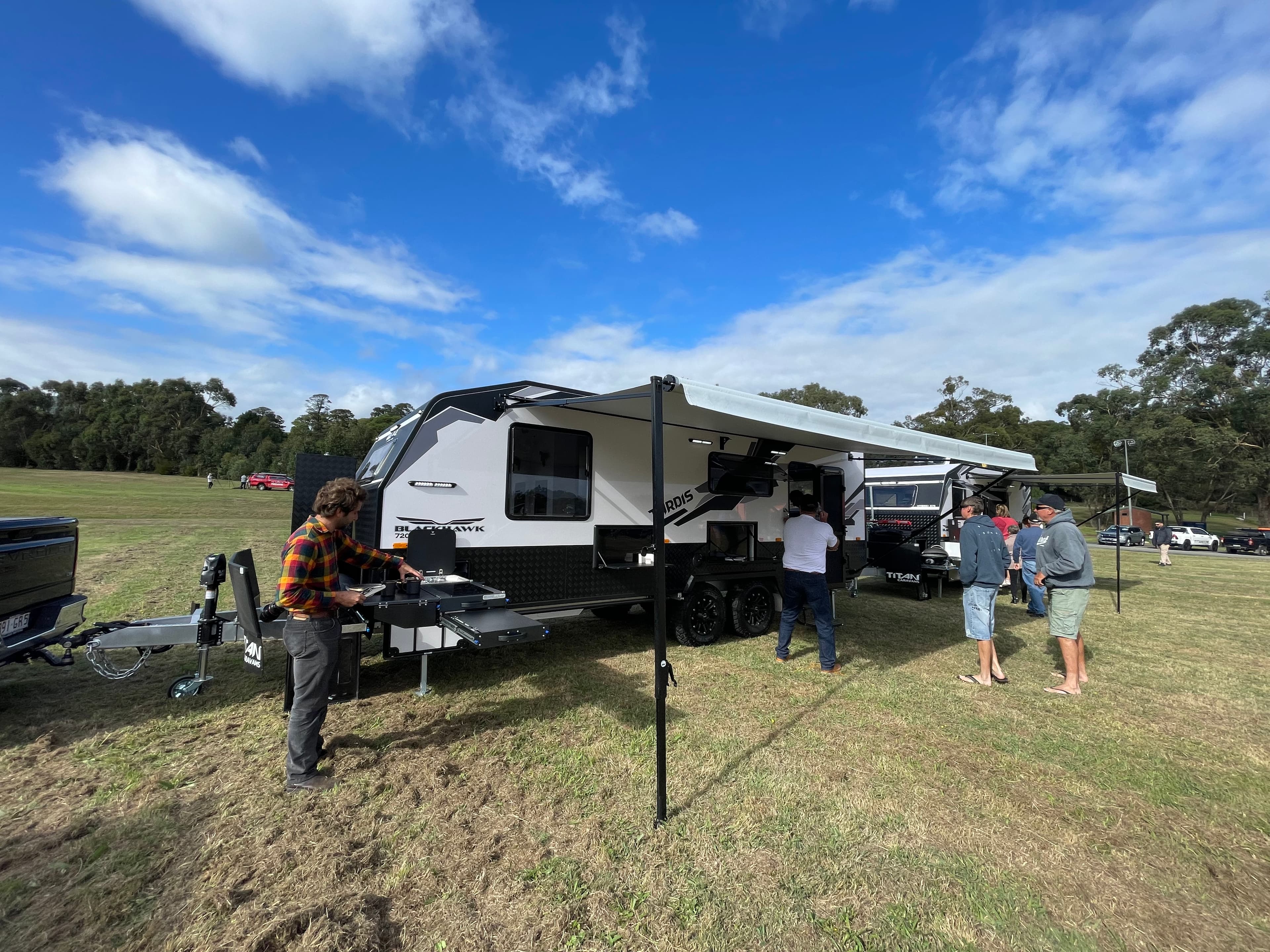
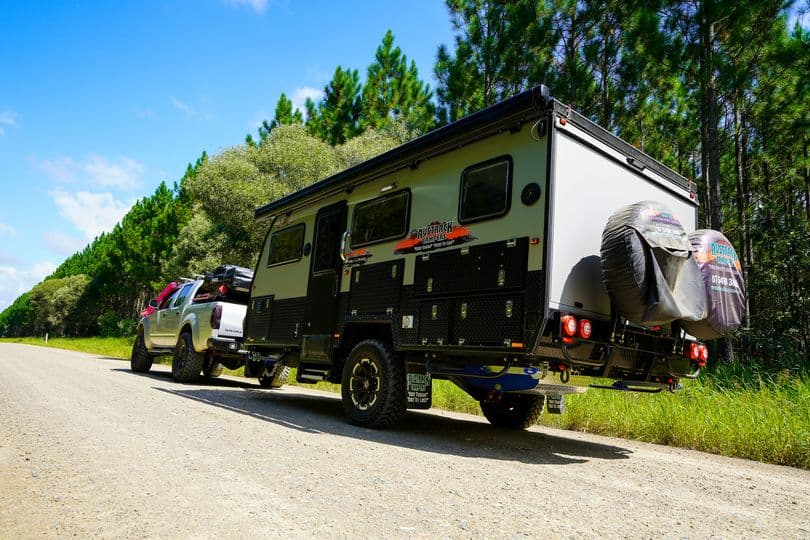
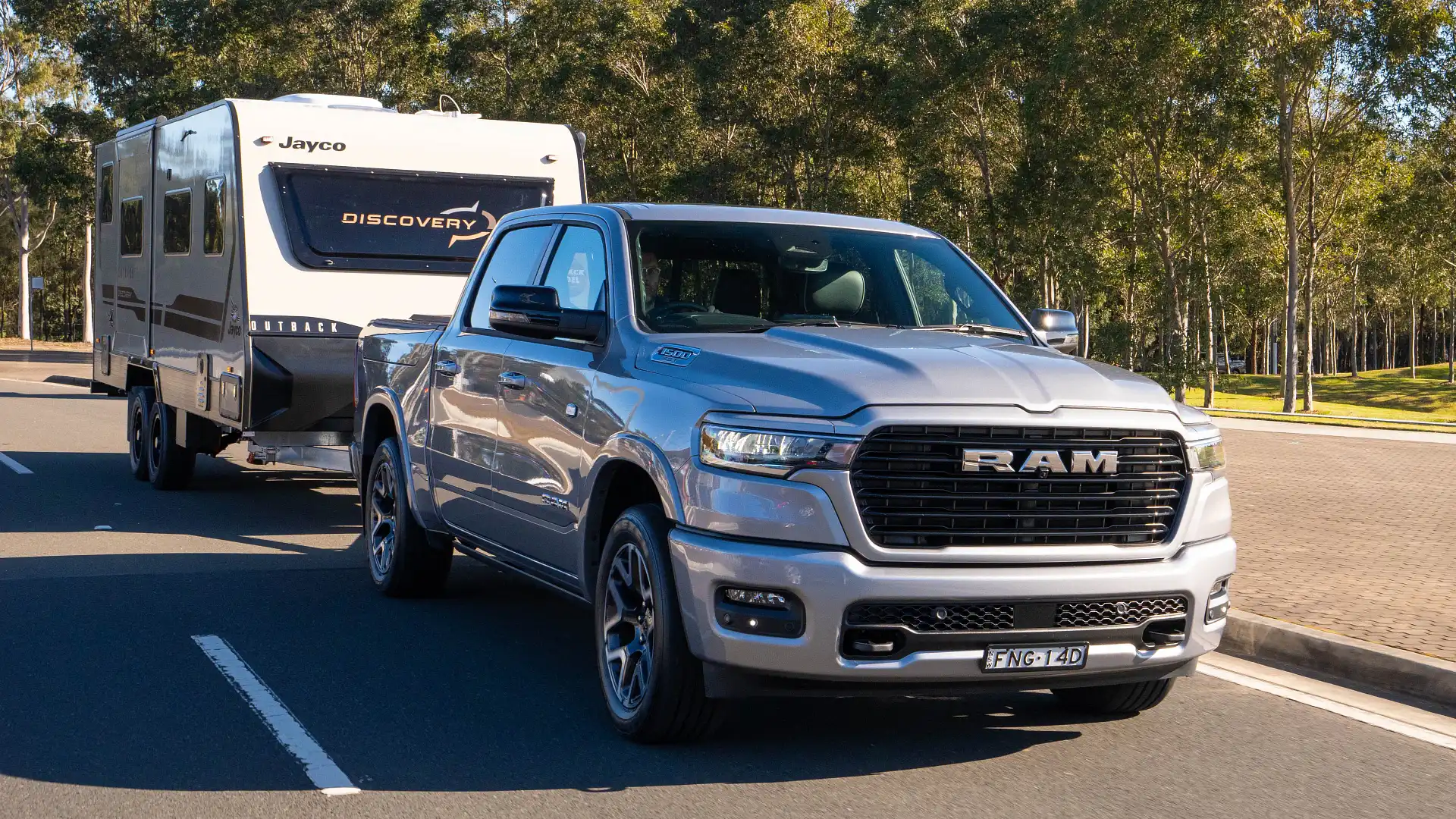
Somewhere in Australia right now there's a caravan sitting in a driveway that's barely been used. Two or three years old. Cost the best part of $80,000 new. The couple who bought it were full of plans... the big lap, see the country — and now they're quietly trying to get rid of it and finding out the hard way what it's actually worth.
The van's been listed for months. The offers coming in are brutal. And they still owe money on it.
If that's you, read this all the way through. You're not stupid and you're not alone, thousands of people are trying to sell at exactly the same time, for exactly the same reasons. But the sellers who do move their vans in this market aren't lucky. They just do five or six things differently to everyone else.

This guide is those five or six things. It applies whether you're selling a caravan, a camper trailer, a pop-top, a hybrid or a motorhome.
The short version: price it against what's actually selling (not what's listed), fix the three things every buyer checks, photograph it honestly, put the numbers buyers search for in the listing, and sort your finance payout before you take a deposit. List yours free on Vanture — no listing fees, no commission.
Why your van is harder to sell in 2026
Let's be straight with each other, because you'll price it wrong if you don't understand what happened.
When the borders shut in 2020, a whole country that couldn't fly to Bali looked at a map of Australia and decided to do it in a van. By November 2020 the cash rate had dropped to 0.1% — the lowest in the Reserve Bank's history, and it stayed there until May 2022. People who couldn't spend money on travel were handed near-free finance, and they poured it into caravans.
Demand went vertical. Wait lists blew out past twelve months. Factories ran flat out. By 2025 there were around 937,000 registered caravans, motorhomes and camper trailers on Australian roads — roughly one for every 29 people in the country.
Then both of the things holding it up went away. Borders reopened. Rates went up. And the market is now working through the hangover:
Capacity built for a boom that ended. At the peak, Australian manufacturers were turning out something in the order of 30,000 units a year. In 2025 they built 23,963 — down 5% on the year before, though still 12% above where the industry sat in 2019. That's a boom unwinding, not an industry failing. But it left real capacity chasing fewer orders, and several well-known names haven't made it through. Zone RV entered administration in December 2025 and was subsequently wound up. Network RV, Sunland RV, Phoenix RV and X Series RV all entered voluntary administration in June 2026. Star Vision went into liquidation in July 2026. Behind each of those is a workforce and a group of customers with deposits, and it's worth saying plainly that none of it was the fault of the people who bought from them.
Quality problems coming home to roost. The ACCC's New caravan retailing report, released in July 2022, surveyed 2,270 caravan owners and found 80% had experienced problems with their new van. The regulator had logged more than 1,300 complaints over the preceding five years, and singled out misleading claims about tow weight as carrying "grave safety implications." A lot of the vans built at the peak — roughly late 2020 through 2023 — are the exact ones now showing water ingress, delamination and weight-plate problems.
A wave of near-new stock. Enormous numbers of vans got bought for one big trip. People did the lap, ticked it off, came home, and the van hasn't moved since. Add rising storage, rego and insurance costs and cost-of-living pressure, and the maths does itself. They all list at once.
Here's the part that matters for you: a buyer in 2026 has choice. They are not fighting anyone for your van. That single fact drives every decision in this guide.
And a fair word before you spiral: the industry itself calls this a correction, not a collapse, and the numbers back it up. Australians took a record 17.3 million caravan and camping trips in 2025 and spent $12.6 billion doing it, according to the Caravan Industry Association of Australia. Caravan production actually rose 7.3% that year to 18,438 units — the fall in overall output came almost entirely from the motorhome side of the business. Caravanning is not dying. It's just no longer a seller's market.
The good news — what's still selling fast
Not every van is stuck. From what moves and what doesn't, the pattern is pretty consistent.
Selling quickly:
Small and mid-size vans (under about 19ft) that a normal family SUV or dual cab can tow without drama. Tow-vehicle costs went up too, and buyers now think about the whole rig, not just the van.
Anything genuinely cheap to own — light, simple, single-axle, easy to store, easy to park.
Well-documented vans with service history, a recent bearing/brake service, and a weighbridge ticket. Documentation is the cheapest trust you can buy right now.
Older, proven, well-maintained vans from brands that still exist. A tidy 2015 van from a maker that's still trading often outsells a 2022 van from a company that's gone into administration.
Motorhomes and campervans at the practical end — the ones people can actually live in or park in a suburban street.
Sitting for months:
Big, heavy, high-spec off-road vans bought at boom prices, priced as if it's still 2022.
Vans from collapsed manufacturers with no warranty path and no parts supply.
Anything with visible water staining, soft floors, bubbling walls or a suspiciously vague weight story.
Listings with eight dark photos and three lines of text.
If you're in the second group, you don't have a selling problem yet. You have a preparation and pricing problem, and both of those are fixable.
What is my caravan actually worth?
This is where most private sellers lose months. Here's the method.
Step 1: Price against sold, not listed
Asking prices in a soft market are a fantasy index. Half the vans you see listed at $65,000 have been sitting there for a while.
What to do instead:
Search Vanture listings for your make, model and year, then widen to the same size, layout and age bracket.
Note the ones that disappear over two or three weeks — that's your real market.
Filter by your state as well as nationally. Vans sell within a towing radius; a WA price is not a Victorian price.
Ignore the outliers at both ends. The middle of the pack that's actually clearing is your number.
Step 2: Adjust for what buyers pay for in 2026
Take your comparable and adjust honestly:
Adds real value | Adds little or nothing |
|---|---|
Recent bearing, brake and suspension service (with invoice) | Aftermarket stickers and graphics |
Weighbridge ticket showing you're legal | Custom paint or one-off interior colours |
Solar + lithium + decent inverter, professionally installed | DIY wiring with no compliance paperwork |
New tyres with date codes under 5 years | "Never been off-road" claims with no evidence |
Full gas compliance and current certificates | The original purchase price — nobody cares |
Manufacturer still trading, warranty transferable | Extended warranties that don't transfer |
Included accessories people actually use (annexe in good nick, hitch, chocks, hoses, mover) | A shed full of tired camping gear |
The hard truth on money spent: the $12,000 you put into upgrades will not come back as $12,000. Treat it as something that makes your van sell faster than the identical one down the road, not something that makes it worth more.
Step 3: Use a price ladder, not a price
Pick a realistic number, then commit to a schedule before you list — because the slow bleed of "we'll see how we go" is what kills sellers.
Week | Action |
|---|---|
1–2 | List at your researched market price. Respond to every enquiry within a few hours. |
3 | Fewer than 5 genuine enquiries? Did you boost it? Your photos or price are wrong. Fix the photos first or do a boost to see the market reaction. |
4 | Still quiet? Drop 5%. A price move re-surfaces your listing and re-triggers alerts. |
6 | Drop another 5% and refresh the lead photo and headline. |
8+ | If you've had no inspections at all, you're 10–15% above market. Decide whether time or money matters more to you. |
One thing worth internalising: every month you hold a van you're not using costs you storage, rego, insurance and — if it's financed — interest. A van that sells for $3,000 less this month often beats one that sells for $2,000 more in six months' time.
A note on negative equity
If your payout figure is higher than what the van will fetch, that gap doesn't go away by waiting. In a market with falling used values, waiting usually makes it wider. Get the real numbers in front of you — see the section on selling with finance owing below — before you decide anything.
Where to sell: private, dealer, consignment or auction
Option | What you'll get | Speed | Effort | Best for |
|---|---|---|---|---|
Private sale on a dedicated marketplace | Highest price — you keep the margin a dealer would take | Weeks | You handle enquiries and inspections | Almost everyone, especially clean, well-documented vans |
Dealer trade-in | Wholesale, often well below private | Fast | Very low | People buying another van from that dealer, or who need it gone now |
Consignment | Between the two, minus commission (often 5–10%) | Slow-medium | Low | High-value vans where the seller has no time |
"We buy any van" cash offer | Lowest of the lot | Fastest | Almost none | Genuine urgency — deceased estate, relocation, forced sale |
Auction | Unpredictable — can be brutal in a flooded market | Fast | Low | Unusual or hard-to-value units |
General classifieds (social marketplaces) | Variable, plus the most tyre-kickers and scam attempts | Variable | High | Cheap vans under about $15,000 |
For most people the answer is a private sale on a marketplace that caravan buyers actually use. A dedicated platform puts you in front of people who are searching for a van specifically — not scrolling past it between a couch and a lawnmower.
On Vanture that's deliberately friction-free: listing is free, there's no commission on the sale, sellers can add ID verification so buyers trust the ad, and buyers browsing your van can check tow compatibility against their own vehicle profile and get finance pre-approved before they contact you. A pre-approved buyer is the difference between an enquiry and a sale.
Selling a caravan with finance still owing
This is the single biggest thing that stalls private sales, and it's completely manageable if you do it in the right order.
1. Get your payout figure in writing
Call your lender and ask for a payout letter valid to a specific date. It'll include any early termination or discharge fees. Don't rely on the balance shown in your app — it's not the same number.
2. Run a PPSR check on your own van
Buyers will do a PPSR (Personal Property Securities Register) check before they hand over money. Do it first so there are no surprises, and so you know exactly what the buyer will see. If there's a security interest registered, that has to be discharged for the buyer to get clear title.
3. Tell buyers up front
Do not hide it. "There's finance on it, here's my payout figure, here's exactly how the handover works" builds enormous trust. Hiding it and having a buyer find it on a PPSR check kills the deal instantly.
4. Use a clean settlement process
The standard, safe structure:
Buyer pays the payout amount directly to your lender (the lender can supply payment details on the payout letter).
Buyer pays the balance to you.
You wait for the lender to confirm the loan is discharged and the PPSR registration is removed.
Then you hand over the van, keys, papers and signed transfer.
If the buyer is nervous, settling at a bank branch or through a solicitor or licensed dealer is a reasonable middle ground. Never hand over the van before the security interest is released — you'll be chasing it forever.
5. If you're upside down
If the van is worth less than the loan, you'll need to cover the shortfall to clear the security. Options include paying the gap from savings, refinancing the remainder as an unsecured personal loan (talk to your lender first), or selling the tow vehicle as well and resetting the whole rig. Get advice from your lender or a financial counsellor — the free National Debt Helpline (1800 007 007) is genuinely good and costs nothing.
This is general information, not financial advice. Your lender's terms are what actually apply.
The one-weekend prep list that pays for itself
Buyers in 2026 have been reading about boom-era build quality. They arrive suspicious. Your job is to remove every reason to walk away.
The three things every serious buyer checks
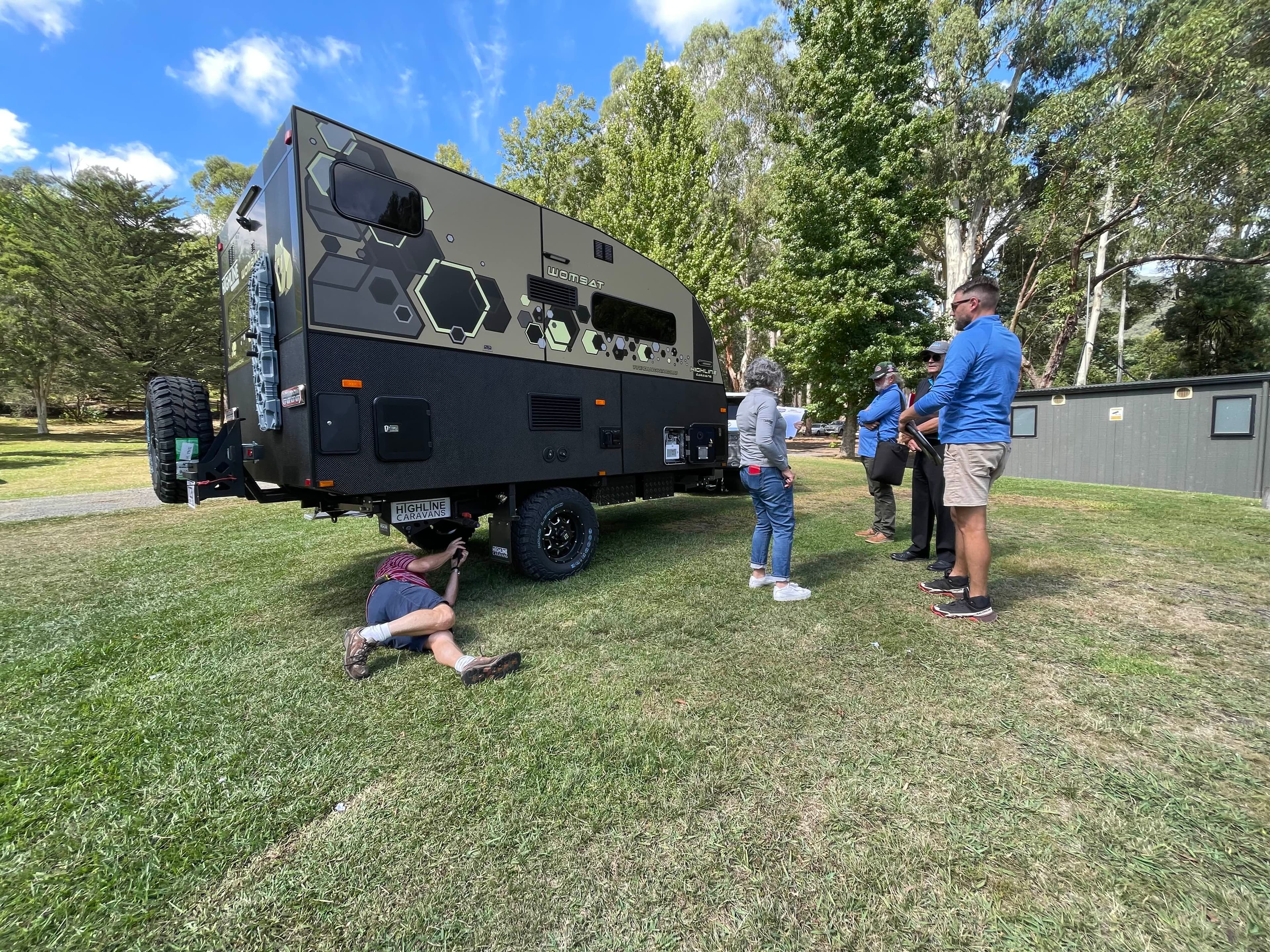
The roof and seals. Get up there. Clean it. Check every seal around hatches, vents, aerials and the front/rear joins. If a seal has crazed or lifted, get it redone properly — it's a few hundred dollars and it's the number one thing that turns a buyer's face.
Water damage inside. Press the floor around the entry door, the wet area and the front boot. Check the bottom of wall joins and around windows for staining, swelling or bubbling. If it's dry, say so and show them. If it's not, get it fixed or price it in — trying to hide it never works.
The compliance plate. A lot of boom-era vans left the factory heavier than advertised. Take it over a public weighbridge, empty and then loaded, and keep the ticket. Handing a buyer a weighbridge docket alongside the compliance plate is one of the most powerful trust signals you can offer right now, because it's the exact thing the ACCC flagged the industry for.
The rest of the list
Service the running gear. Bearings repacked, brakes checked and adjusted, suspension bushes looked at. Keep the invoice.
Tyres. Check date codes, not just tread. Caravan tyres age out sitting still. Cracked sidewalls on a $50k van look like neglect.
Gas. Make sure gas appliances work and any required gas certification is current — in Queensland, caravans with permanently installed LPG need a Gas Compliance Certificate.
Electrics. Test every 12V circuit, the charger, solar controller and any inverter. Have your solar install paperwork ready.
Appliances. Run the fridge on all modes for a full day. Test the hot water, pumps, air-con and the toilet.
Deep clean. Inside and out, including the awning, the wheel arches and the A-frame. Remove all your personal gear — a decluttered van shows 20% bigger.
Fix the small annoyances. The drawer that won't latch, the flyscreen with a hole, the missing knob. Individually trivial; collectively they read as "this thing was neglected."
Assemble the folder. Manuals, compliance plate photo, service invoices, weighbridge ticket, gas certificate, solar install docs, warranty papers, rego papers. Hand it over at the inspection. It changes the conversation.
If you're not confident assessing any of this yourself, a couple of hundred dollars with an independent caravan inspector is money well spent — and a clean pre-sale inspection report is a genuine selling asset. You can find caravan repairers, inspectors and mobile techs near you in the Vanture service directory.
Photos that actually sell a van
More listings fail on photos than on price. This costs you nothing but an hour.
Shoot in the hour after sunrise or before sunset. Harsh midday sun blows out white vans and makes interiors look like caves.
Move it somewhere clean. A park, an empty carpark, anywhere that isn't a cluttered driveway with the bins in frame.
Get 25–40 photos. Yes, that many. Every photo you don't take is a question the buyer has to ask, and most won't bother.
The must-have shots: three-quarter front and rear exteriors, both sides square-on, the A-frame and hitch, the compliance/weight plate (readable), tyres, the roof from a ladder, the full interior from both ends, bed made, kitchen, bathroom, storage open, the battery/solar setup, the control panel, and the annexe if it's included.
Photograph the flaws deliberately. A clear photo of the scuff on the corner does more for your credibility than any amount of text. Buyers who drive three hours and discover a surprise leave angry. Buyers who see it in the ad and come anyway are ready to buy.
Add a walk-through video. Two to four minutes, phone held steady, narrating honestly. It filters out time-wasters and pulls in serious buyers from interstate.
Lead with the best exterior shot, not the interior. The thumbnail is what earns the click.
How to write a listing that gets found and gets calls
Buyers search in very specific terms. Give them the words.
Put these in your title and first paragraph: year, make, model, length in feet, layout (island bed / club lounge / bunks / cafe dining), pop-top or full height, off-road or on-road, and location (suburb and state).
Example: 2019 Jayco Journey Outback 19.61-3 — 19ft, island bed, single axle, ATM 2,500kg — Ballarat VIC
Then answer the questions before they're asked:
The weights. Tare, ATM, GTM and ball weight. Say whether you've weighed it and what the ticket said. This is the single most-asked question in the market right now.
What it'll tow behind. Buyers are matching to their vehicle. Say it plainly: "Comfortably towed by our Prado, ball weight X kg."
Real use history. "Two trips, 8,000km, always stored under cover" is worth money. So is "lived in for eight months, everything works because we used it."
What's been done. Bearings, brakes, tyres, seals, solar — with dates.
What's included. Annexe, hitch, chocks, hoses, levellers, mover, spare wheel, water filter.
What's not perfect. Two or three honest lines. It costs you less than you think and it converts hard.
Finance status. If there's money owing, say so and explain the handover.
Inspection welcome. Say independent inspections are welcome. Sellers who say that get taken seriously.
Avoid: ALL CAPS, "no lowballers," "first to see will buy," "genuine buyers only," and long paragraphs about your personal circumstances. They all read as defensive.
Then keep the listing alive: reply fast, update the price on your ladder, and refresh photos if it goes quiet. On Vanture your ad also gets surfaced to buyers with matching want-to-buy alerts, so a price change or refresh puts you back in front of people who've already told the platform they want exactly what you've got.
Paperwork, rego transfer and gas certificates by state
Rules differ by state and they change, so confirm the current requirements with your state road authority before you sell. As a general guide:
State | Inspection for a private caravan/trailer sale | Transfer notes |
|---|---|---|
NSW | An inspection isn't generally required just to transfer | Seller lodges a Notice of Disposal; buyer transfers within 14 days |
VIC | Roadworthy certificates apply to most light vehicles, but trailers and caravans are generally exempt | Seller lodges disposal notice; buyer transfers via myVicRoads within 14 days |
QLD | A Safety Certificate is generally required before offering a registered caravan or trailer for sale; Gas Compliance Certificate needed for permanently installed LPG | Seller starts the transfer online, buyer completes it |
SA | Not generally required for private transfers | Buyer transfers within 14 days; caravans/trailers under 4.5t GVM generally exempt from registration duty |
WA | Not generally required for private transfers | Seller lodges an MR9 notice within 7 days; buyer completes within 14 |
TAS | Not generally required for private transfers | 14 days; online only if both parties are Tasmanian-licensed |
NT | Not generally required for private transfers | Buyer transfers at an MVR office within 14 days |
ACT | Trailers and caravans over 6 years old generally need a roadworthy inspection before transfer | Most transfers completed in person at Access Canberra |
Also have ready: current registration papers, the compliance/build plate details, VIN, service records, gas certification, a clear PPSR result, and a simple written receipt for both parties showing date, price, VIN, both names and addresses, and the words "sold as is, where is" if that's the basis of the sale.
Getting paid without getting burnt
Caravan sales attract scammers, precisely because the amounts are large and the buyers are often interstate.
Do:
Take payment by bank transfer that has fully cleared into your account — check your balance yourself, in your own banking app, before the van leaves.
Meet at a bank branch for cash deals so notes can be counted and checked by staff.
Take a deposit (a few hundred to a thousand) with a short written agreement if a buyer needs to arrange transport.
Photograph the van, the odometer/hubometer if fitted, and the signed paperwork on handover day.
Lodge your notice of disposal immediately.
Don't:
Accept bank cheques, PayID "confirmation" emails, screenshots of transfers, or anything involving an overpayment and a refund.
Release the van on a "pending" transfer.
Ship a van to a buyer who won't inspect, won't call, and is unusually keen to use their own "shipping agent."
Hand over anything while finance is still registered on the PPSR.
If an offer feels off, it is. The genuine buyers in this market are patient, they ask specific questions about weights and service history, and they want to see it in person or send an inspector.
What to do if it just won't sell
If you've done everything above and it's still sitting after two or three months, you have four real options:
Reprice properly. Not another $1,000 — go to where the vans are actually clearing. The market doesn't care what you paid.
Widen the geography. List nationally and offer to help arrange transport. A buyer in Adelaide might be the one who wants your layout.
Rent it out while it's listed. Peer-to-peer caravan and motorhome hire won't make you rich, but it can cover storage, rego and insurance while you wait — and a van that's being used stays in better condition than one that's sitting.
Take the wholesale offer and move on. If the van is costing you money and mental energy every month, there's a real value in being done. Nobody ever regretted getting out of an asset they resented.
And the honest bottom line, the same one that applies to whoever buys it from you: the caravan didn't change. What changed was a wave of easy money and shut borders that convinced a nation to buy something enormous all at once. If you own one, love it, use it and it's paid off — ignore all of this and go enjoy it. If you're staring at one you don't use on a loan you resent, you're not alone, and you got caught in a boom the same as thousands of others.
Either way, the way out is the same: price it honestly, present it properly, and put it where the buyers actually are.
List your caravan, camper or motorhome free on Vanture →
No listing fees. No commission. ID verification so buyers know you're real.
Frequently asked questions
How much has my caravan lost in value since I bought it?
It depends heavily on when you bought. Vans bought new at the peak of the boom (roughly 2021–2023) have generally taken the hardest hit, because they were bought at inflated prices into a market that's now oversupplied. Older vans bought before the boom, and well-maintained vans from manufacturers still trading, have held up much better. The only number that matters is what comparable vans are actually selling for today — not a depreciation percentage.
Can I sell my caravan if I still owe money on it?
Yes. Get a written payout figure from your lender, disclose the finance to buyers up front, and structure the settlement so the buyer pays the payout amount directly to the lender and the balance to you. Don't hand over the van until the lender confirms the loan is discharged and the security interest is removed from the PPSR.
Is it better to sell my caravan privately or trade it in?
Privately, almost always, if you have a few weeks and a tidy van — you keep the margin a dealer would otherwise take. Trade-in or a wholesale cash offer makes sense when you need it gone immediately, or when the convenience genuinely outweighs the money.
What paperwork do I need to sell a caravan in Australia?
Current registration papers, proof of ownership, a clear PPSR result (or a discharge if there's finance), service records, gas certification where required, any state-required safety or roadworthy certificate, and a written receipt for both parties. Requirements vary by state — check with your state road authority.
Do I need a roadworthy certificate to sell a caravan?
It depends on your state. Queensland generally requires a safety certificate before you offer a registered caravan or trailer for sale, and the ACT generally requires a roadworthy inspection for caravans over six years old. Victoria generally exempts trailers and caravans from RWC requirements, and NSW doesn't require one just to transfer. Always confirm current rules with your state authority.
How long does it take to sell a caravan in 2026?
A well-presented, correctly priced van in a popular size usually sells within two to six weeks. Larger, heavier, high-spec vans and those from collapsed manufacturers can take months. Price and photo quality are the two biggest levers on time-to-sell.
Should I sell my caravan before it gets any older?
If you're not using it, generally yes. A van you don't use costs you storage, registration, insurance and (if financed) interest every month, while used values in the current market are still soft. Holding a depreciating asset you don't enjoy rarely pays.
What is my caravan worth if the manufacturer has gone broke?
Less than an equivalent van from a maker still trading, because there's no warranty path and parts supply is uncertain. You can offset some of that with strong documentation: recent service records, a weighbridge ticket, a clean independent inspection report, and evidence that common fault areas have been checked or rectified.
Is it free to list a caravan on Vanture?
Yes. Listing is free and there's no commission on the sale. You can also add ID verification so buyers can see you're a genuine seller.
General information only, not financial or legal advice. Registration, inspection and gas certification requirements vary by state and change over time — confirm current rules with your state road authority before selling. If you're under financial pressure, the free National Debt Helpline is 1800 007 007.
Thinking of selling? Sell your caravan on VANTURE — free to list, same price whatever it's worth, and no commission ever.
List your caravan free