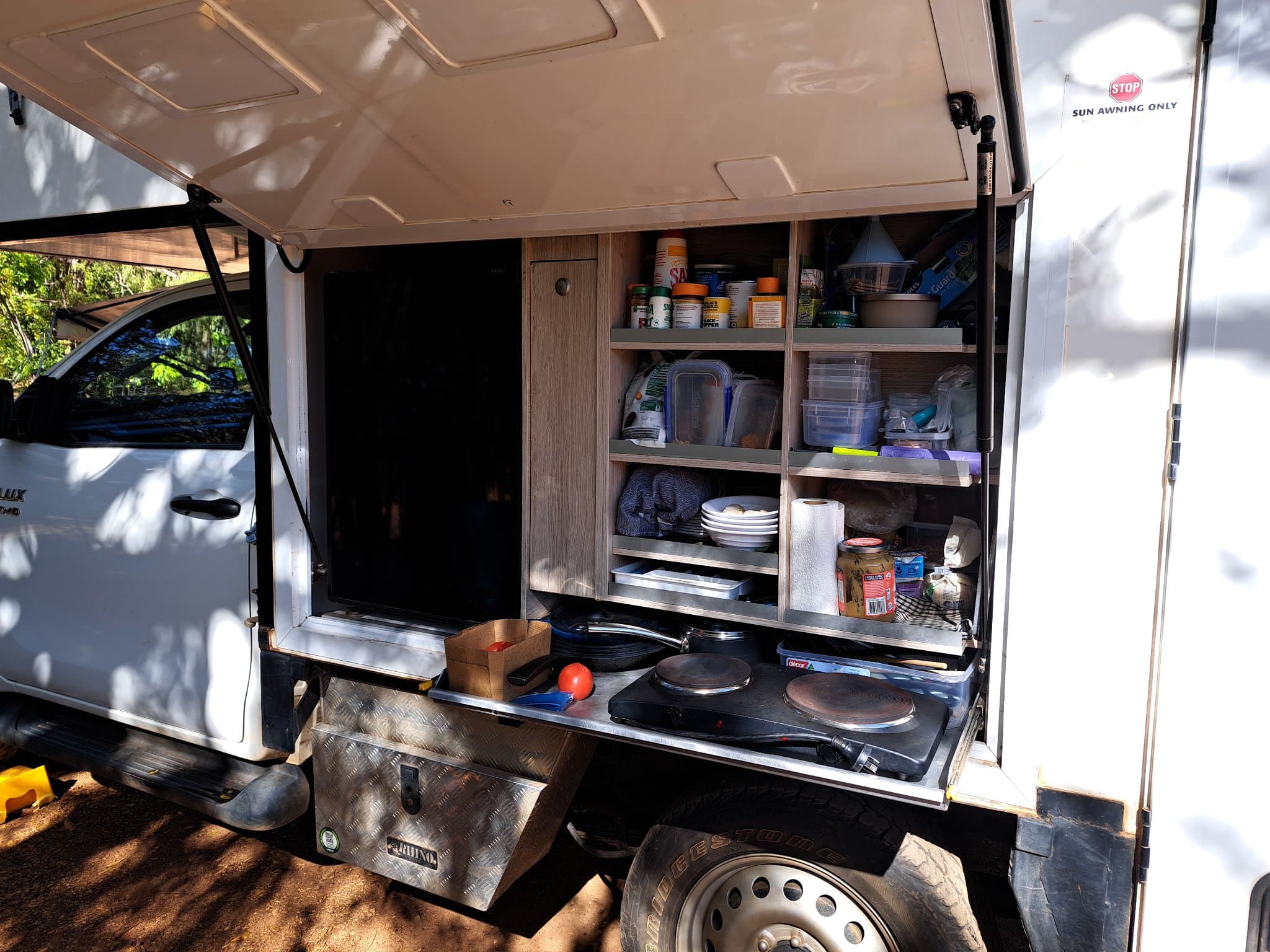
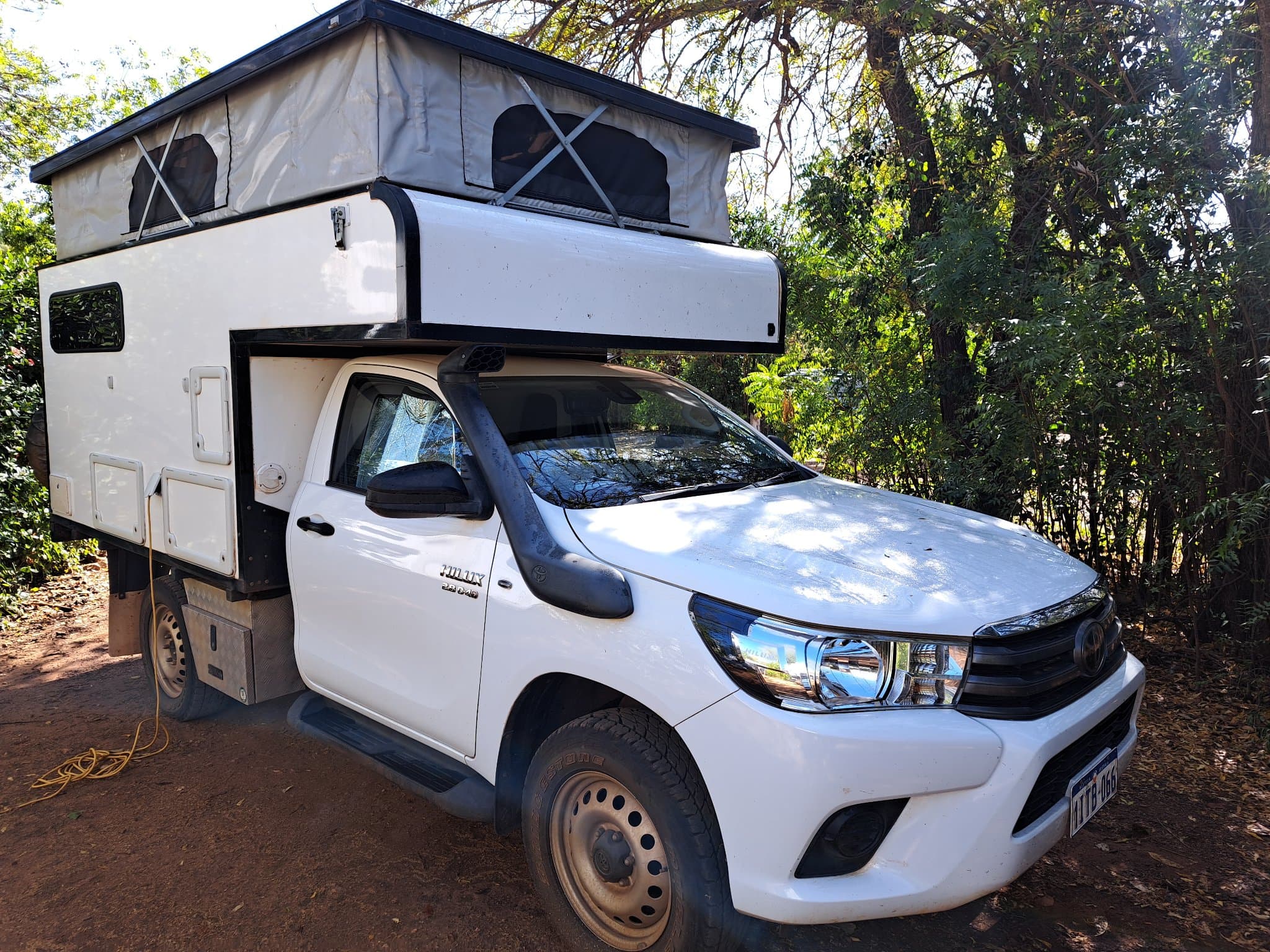
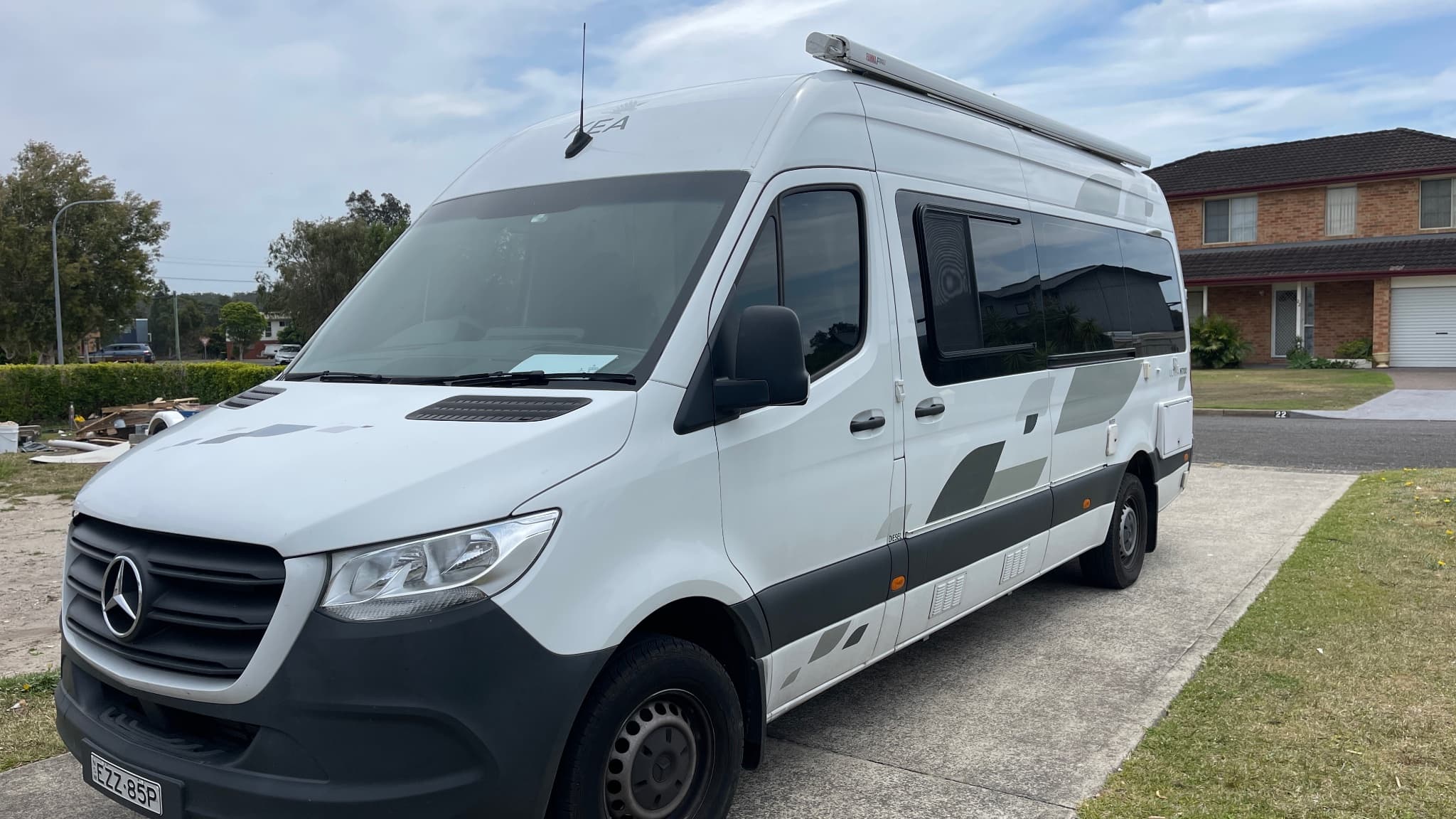
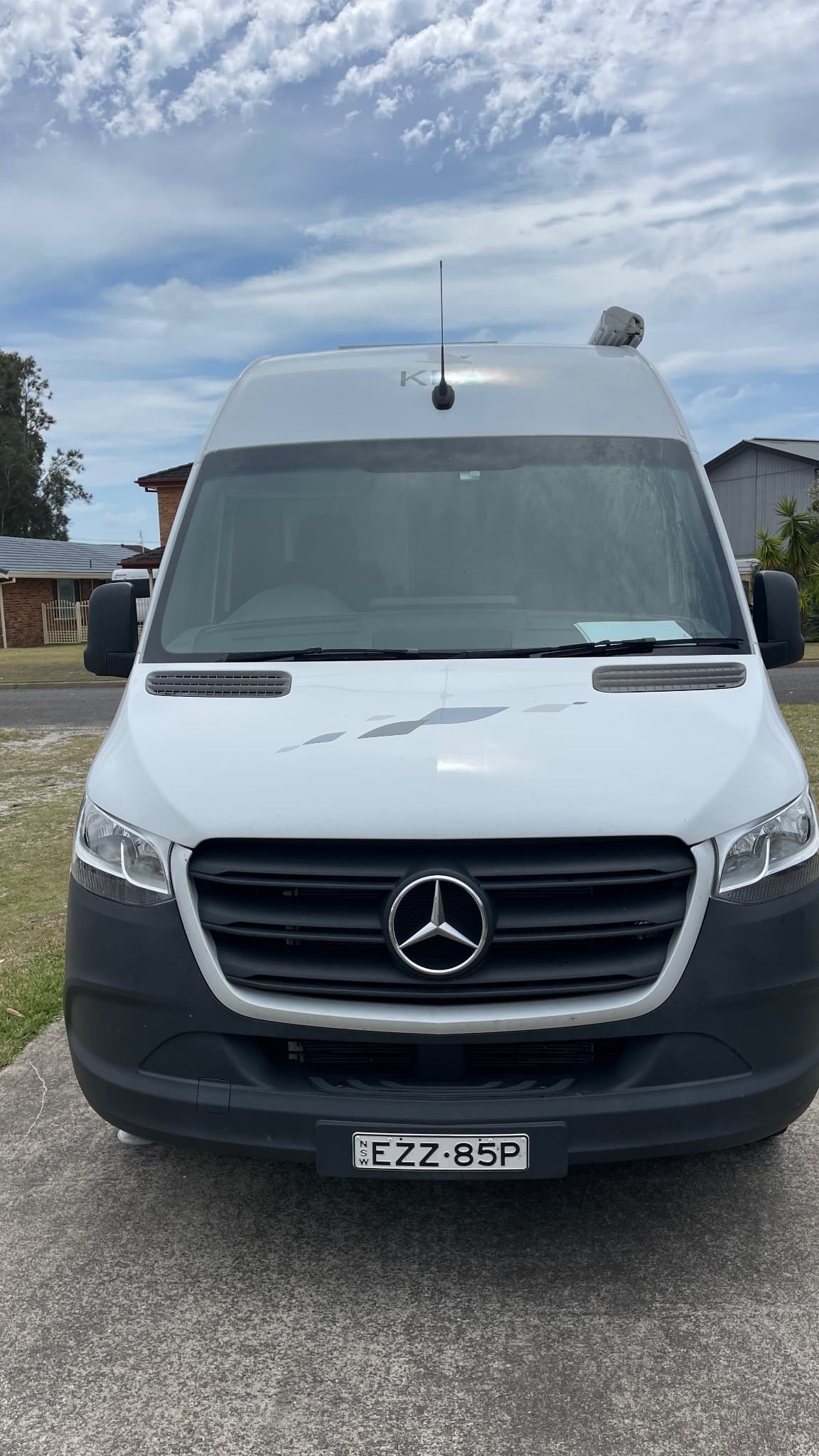
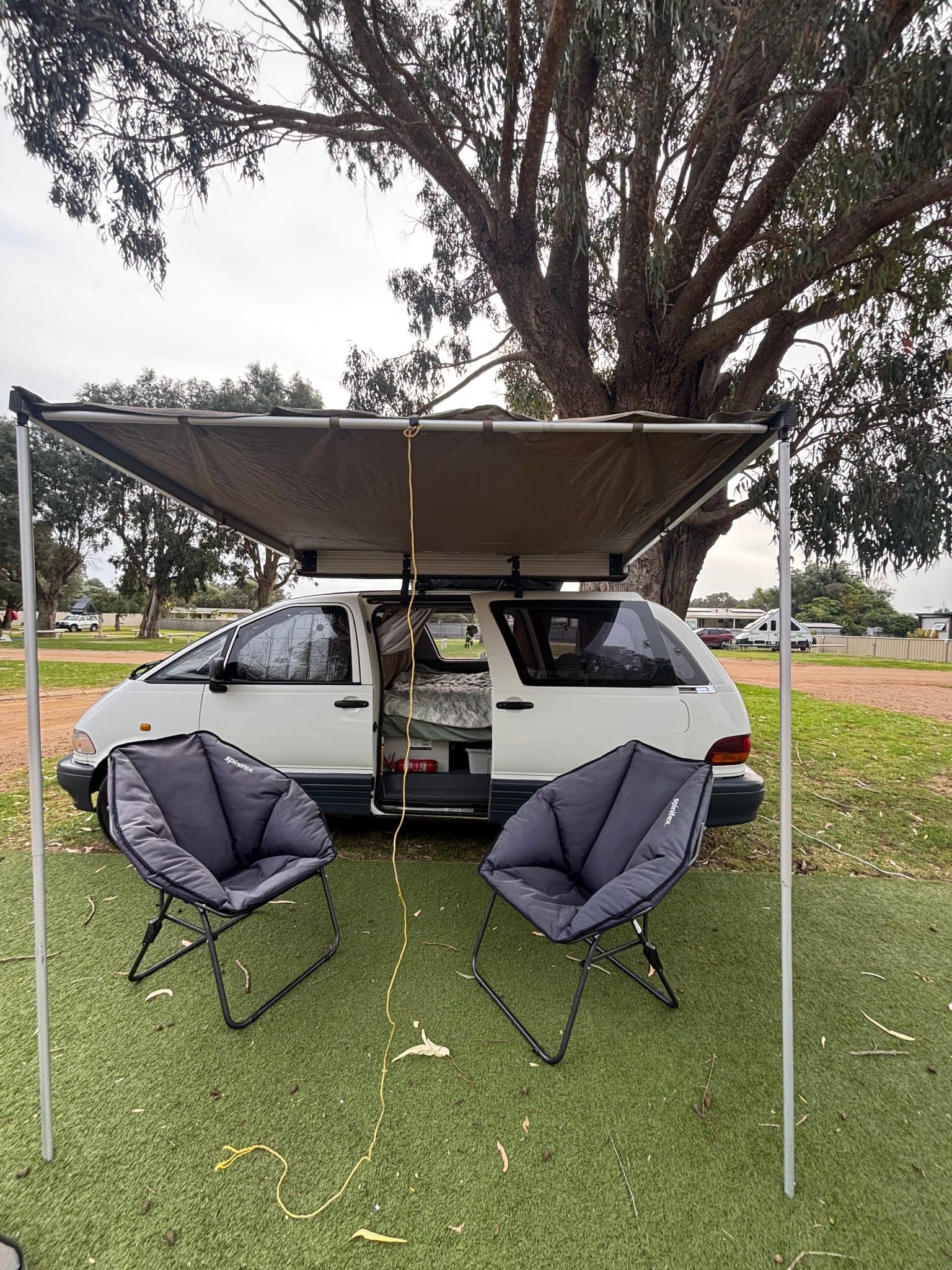
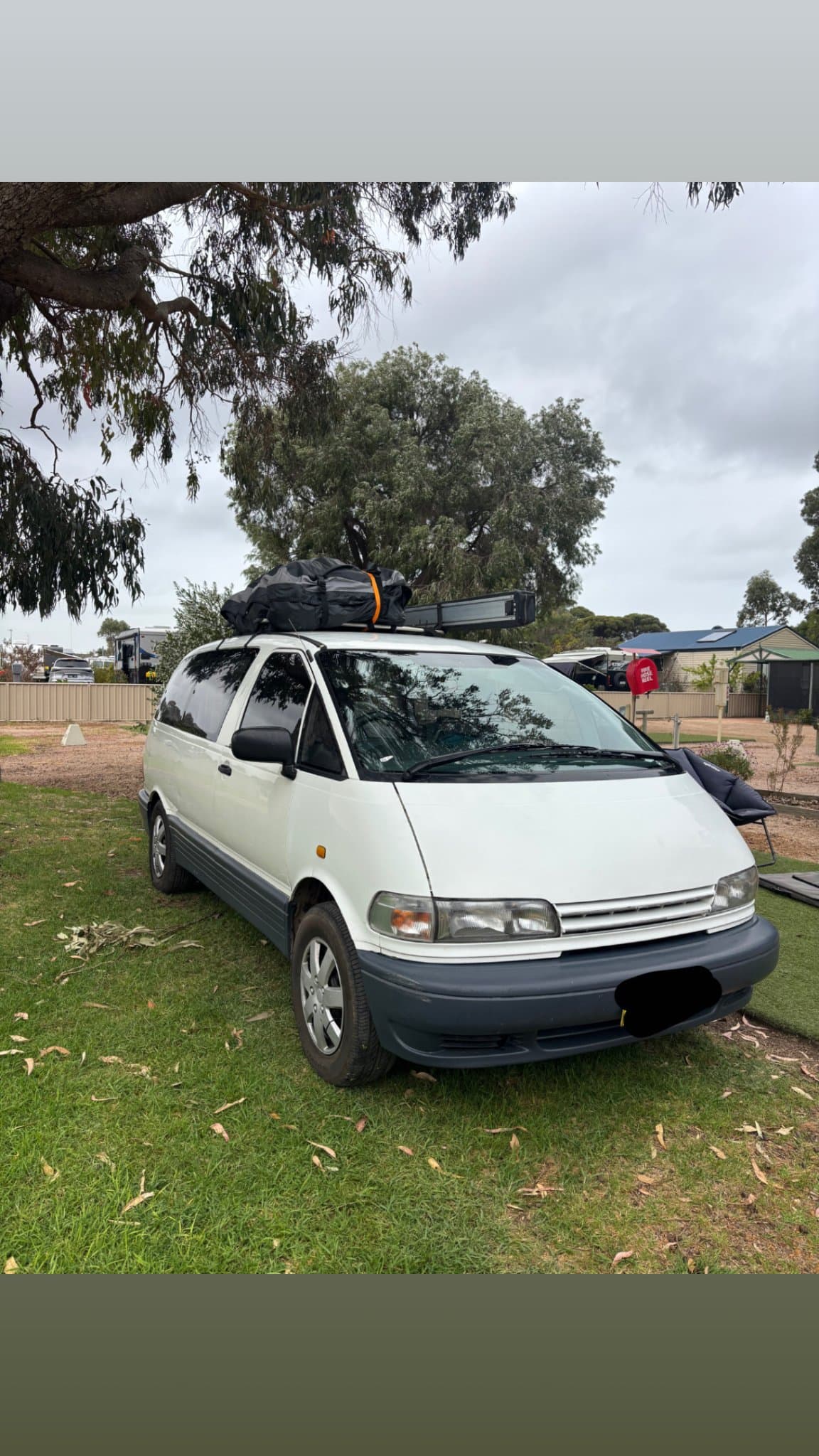
Browse every campervan model on VANTURE — 39 brands and 138 models tracked. We've found 3 campervans for sale across WA. Or check 5 campervan-service specialists in the Broome area. Set a free alert and we'll email when one is listed locally.
Be the first to know when a campervan is listed
We'll email you the moment a matching campervan goes live on VANTURE. Free, no account needed, unsubscribe any time.
We don't have many campervans in broome listed right now. VANTURE has 1 caravans for sale — start there, or set an alert below and we'll let you know when a campervans in broome is posted.
Look for sleep capacity matching your household size (2 to 4 people across the segment), and layout that suits how you'll spend time: full-height vans offer year-round comfort and standing room for couples and small families; pop-top designs save fuel and wind noise if you'll be highway touring. Check freshwater capacity (40–150 litres) and battery size against your off-grid tolerance — 3 days off-grid requires larger tanks and multi-day solar charging, while weekends at powered sites require less self-sufficiency. Verify the van's GVM (Gross Vehicle Mass Rating) against your driver's licence class: Australian class C (private car licence) permits up to 3500kg GVM; if the completed campervan exceeds this, you'll need an LR or MR licence. Compare construction styles — aluminium-composite panels tend to age better in Australian heat and salt air than timber framing — and inspect roof condition and awning durability if buying used.
Campervan pricing in Australia
Price variation reflects chassis choice (compact HiAce versus large Transit), fit-out spec (basic sleeping and cooking versus luxury kitchen and bathroom), battery and solar capacity (50Ah entry systems versus 200Ah lithium with 2kW solar), and build year. Newer models with modern lithium battery systems typically sit higher; older petrol-engine vans or basic 12V systems trade lower. Set an alert to track pricing movement in your target sleep and chassis category.
Licence and tow vehicle considerations
Campervans are self-propelled — no tow vehicle required — but your driver's licence class determines the maximum GVM you can legally operate. Australian class C (standard car licence) permits up to 3500kg; most factory campervans on light-duty vans (HiAce, Transit Custom) sit within or near this threshold. Check the compliance plate for the completed campervan's GVM and compare it to your licence. If GVM exceeds 3500kg, you'll need an LR (Light Rigid, up to 8000kg) or MR (Medium Rigid, up to 12000kg) endorsement — upgrading costs time and testing. Fuel economy varies: compact pop-tops typically return 7–9 litres per 100km highway; full-height vans or larger Sprinter-based models may see 8–11L/100km depending on engine (petrol versus diesel) and loading.
Build construction and materials to inspect
Campervans typically use one of three construction styles: aluminium-composite body panels (lightweight, durable in Australian sun, good resale); timber-framed cabinetry with external metal or vinyl cladding (heavier, more traditional look, susceptible to rot if seals fail); or full-metal (steel or aluminium) exteriors (durable but heavier, higher fuel cost). When viewing a unit, inspect the roof seams and around windows for water staining — roof leaks are expensive to repair and indicate poor installation or age-related seal failure. Check that cabinetry doors and drawers operate smoothly and latches hold securely in transit. Verify fresh and grey water tank condition (corrosion, smell, visible damage), battery terminals for corrosion, and solar panel mounting security. Look for evidence of damp or mould inside cabinetry, particularly under sinks and around sleeping areas.
Off-grid capability and power systems
Campervans are designed for off-grid independence — the key variable is how long you can stay away from power or water sources. A 50Ah lithium battery with 400W solar can sustain 2–3 days of moderate use (fridge, lights, phone charging) in good sun; 100Ah+ systems with 800W+ solar support 5–7 days off-grid for couples. Freshwater capacity (40–80 litres for compact vans; 100–150 for larger models) typically lasts 3–5 days with moderate use (showers, cooking, toilet flushing). Grey water (waste from sink and shower) tanks fill faster — inspect both capacity and whether the van has separate grey and fresh systems (dual tanks are preferable). Solar panels on the roof must face north in southern Australia and be unshaded during your typical usage window; dash-mounted or portable panels offer flexibility if you'll park under trees.
New versus used campervans in Australia
Factory campervans arrive with warranty (typically 2–7 years depending on builder), compliance certification, and known service history; they command premium pricing because production and dealer margins are embedded. Used campervans (5–15 years old) often represent better value per metre if build quality has held — Australian sun and corrugations are harsh on seals, rubber gaskets, and composite panels, so inspect second-hand units carefully for cumulative wear. Buying used removes uncertainty around retrofit quality (some private conversions are poor); factory-finished used units typically carry predictable wear patterns. Set an alert to monitor sold listings and track depreciation patterns — this helps calibrate your expectation of value retention if you plan to resell.
Frequently asked questions about campervans
How much does a campervan cost in Australia?
Campervans represent a premium segment because the base chassis alone (HiAce, Transit, Sprinter) costs $40,000–$80,000+, and professional fit-out (cabinetry, electrical, plumbing, compliance testing) adds $30,000–$80,000 depending on specification. Factory campervans with full warranties and modern lithium battery systems sit higher; older second-hand vans or basic 12V systems trade lower. Price variation reflects chassis type (compact versus large), battery capacity (entry 50Ah versus premium 200Ah lithium), solar sizing, and age. No confirmed sales data exists on VANTURE yet, but set an alert to track pricing as listings accumulate.
What should I look for in a campervan for couples and weekenders?
For couples seeking reliable weekend trips, look for models that sleep 2 people comfortably (queen or twin bunks), include a galley kitchen and compact wet room, and carry 80–120 litres fresh water and 50–100Ah battery capacity. Pop-top designs offer fuel economy and wind resistance benefits on longer drives; full-height vans provide better living space if you'll spend rainy days inside. Verify solar capacity (400–600W minimum) to extend off-grid capability without daily reliance on external charging, and inspect the roof and door seals for water ingress. Filter the listings by sleep capacity and construction type to compare models across the 39 brands in this segment.
How long does a campervan last in Australian conditions?
A well-maintained campervan typically remains safe and functional for 15–20 years in Australian conditions, though seals, gaskets, and exterior cladding require routine inspection and replacement. Australian UV exposure, salt air (near coast), dust, and corrugations accelerate wear on rubber seals around windows and doors — inspect these annually and replace if cracked or hardened. Tank corrosion, particularly in coastal regions, can shorten freshwater system life unless tanks are flushed and protected. Mechanical components (engine, transmission, brakes) follow the base vehicle's lifecycle — a HiAce can run 300,000+ km with proper servicing, but campervan fit-out (cabinetry, batteries, wiring) may need attention earlier. Annual servicing and careful inspection keep a campervan touring reliably for two decades or more.
What should I check when buying a used campervan?
Inspect the roof, windows, and door seals for cracks, hardening, or water staining inside — roof leaks are expensive to fix and indicate poor maintenance or age-related degradation. Check both freshwater and grey water tanks for corrosion, smell, and visible damage; corroded tanks may fail in transit. Operate all cabinetry doors, drawers, and latches to confirm they hold securely — loose items become hazards during driving. Test the electrical system: turn on lights, fridge, and water pump; verify the battery voltage and solar panel output on a sunny day. Look for mould or damp smell inside cabinetry, particularly under sinks and around sleeping berths. Have the base vehicle (engine, transmission, brakes) inspected by a mechanic familiar with the chassis type — a faulty engine is not a campervan problem, but it will be expensive to fix.
Are campervans still being made in Australia?
Yes — several builders manufacture campervans in Australia, typically as retrofit conversions built on imported or locally assembled van chassis. This includes small-scale builders offering custom builds, established manufacturers producing branded model ranges, and dealership-backed fit-out operations. Many premium European campervan brands are imported as factory-finished units or as base kits finished locally by Australian dealers. This mix means buyers can choose from locally built units (typically faster lead times, easier warranty support) and premium imported models (often featuring sophisticated lithium and water systems). Browse the 39 brands on VANTURE to see the range of Australian and imported options available.
Can I tow a campervan behind my car?
No — campervans are self-propelled vehicles with their own engines; they are not towed. If you're looking for a caravan to tow behind your car, you need a separate caravaning vehicle. A campervan is a standalone touring base that you drive yourself, eliminating the need for a separate tow vehicle. This simplifies setup and movement around campsites but requires that you hold a valid driver's licence for the campervan's GVM class.
How off-grid capable is a campervan?
Off-grid capability depends on battery capacity, solar sizing, freshwater storage, and your usage habits. A 50Ah battery with 400W solar can sustain 2–3 days of moderate use (fridge, lights, water pump) in good sun; 100Ah+ systems with 800W+ solar support 5–7 days for couples or small families. Freshwater capacity (40–150 litres depending on van size) typically lasts 3–5 days with showers, cooking, and toilet use. Larger capacity vans with dual battery systems and 1500W+ solar can run off-grid for 2–3 weeks if water is replenished at streams or tanks. Check the specifications of any campervan you're considering to confirm battery type (lithium versus AGM), solar wattage, and tank sizes match your intended touring rhythm.
What's the cheapest campervan listed on VANTURE right now?
Browse all 0 campervan listing and set a free alert to be notified immediately when new campervans are added below your budget or matching your preferred specifications.
Compare competitive rates from 30+ lenders. Pre-approval in minutes with no impact on your credit score. Tailored for caravans, campervans and motorhomes.