Hybrid Camper Inspection Guide: The 12 Things That Fail First

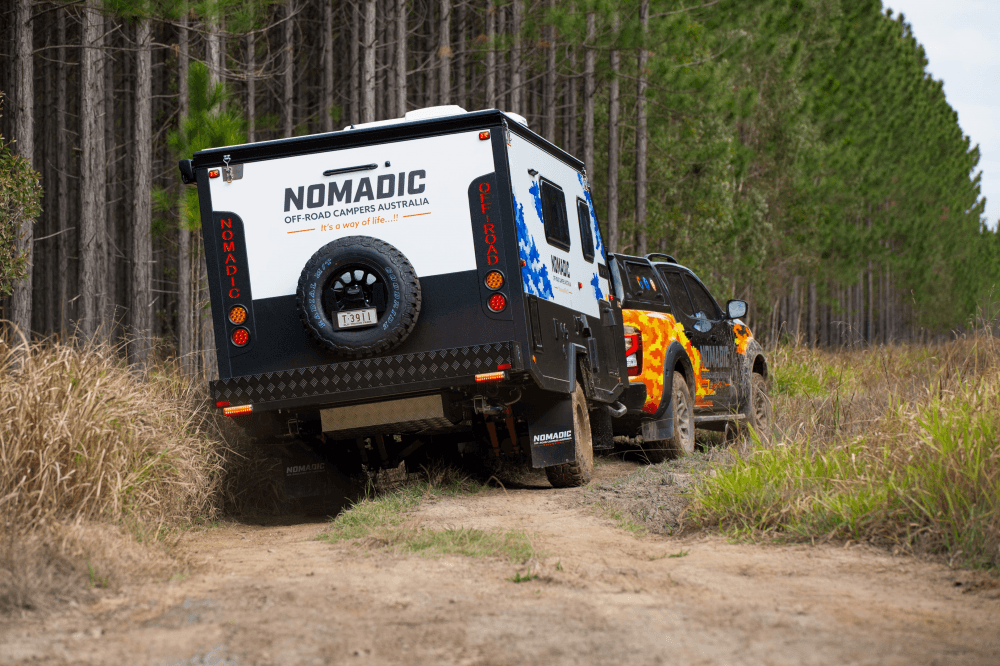
Hybrid campers have earned their place in Australian caravanning the honest way: they solved a real problem. Plenty of travellers want to get further off the bitumen than a full-height caravan is happy to go, but they've done their years under canvas and don't fancy going back to a tent. The hybrid — a compact, hard-walled van built on off-road running gear, often with a pop-up roof and an external kitchen — splits that difference, and Australian makers have built some genuinely clever ones. Families who have lived out of all three formats, will tell you the format question comes down to how you actually travel — and if you're still weighing that up, start with our guide to off-road, hybrid or pop-top: which caravan suits your trip.
But say you've decided. A hybrid it is — and, sensibly, you're looking at the used market, where someone else has paid the new-price premium for you. Here's the thing about inspecting a used hybrid that surprises people: the very thing that makes a hybrid appealing is the thing that shapes your inspection. These rigs are built to be used hard. Corrugations, dust, river crossings, remote tracks — that's the brochure, and for a lot of owners it was also the reality. None of that is a mark against the format or the people who build them. It simply means a used hybrid has usually lived a fuller life than a caravan that toured sealed roads between powered sites, and your job as a buyer is to work out whether the one in front of you was maintained to match the life it led.
A well-cared-for hybrid that's done real touring is often a better buy than a garage queen — the owner who greased, resealed and serviced on schedule has effectively done your future maintenance for you. The twelve checks below are about telling those two stories apart. They're wear items, not defects: every one of them wears on every brand, and finding one worn isn't a scandal — it's a line in your price conversation.

Browse hybrid campers for sale on VANTURE — see what's on the market right now at vanture.com.au/hybrids, including used hybrids.
How to use this list
Take it in the order written — it's roughly the walk an experienced inspector does, outside-top to outside-bottom, then inside, then paperwork. Give yourself an hour in daylight. Bring a torch, and don't be shy about lying on the ground: the story of an off-road camper is written underneath it.
1. Roof seals and seams
Water is the most expensive thing that can get into any van, and it comes in from the top. Run your eye — and your fingers — along every roof seam, joint and penetration: hatches, aerials, solar cable glands, awning mounts. You're looking for sealant that's cracked, lifting at the edges, or been re-applied in thick, hurried layers over the top of old material. Neat, maintained sealant is a very good sign; it means the owner understood the one job that matters most. Inside, check ceiling corners and around hatches for tea-coloured staining or bubbling — the signature of a leak that's been in residence a while.
2. The pop-up roof mechanism
If the hybrid has a lifting roof, raise and lower it yourself — don't just watch the seller do it. It should move smoothly and evenly, without one corner lagging, grinding or needing a shoulder. Gas struts that have lost pressure make the roof feel heavy and can let it slam; worn guides make it rack sideways. With the roof up, look at the mechanism itself for bent components and missing fasteners. This is a service item, not a catastrophe — but a roof that fights you every morning gets old very quickly on a long trip.
3. Canvas, gussets and zips
Where the pop-up roof meets the body, most hybrids run a canvas or fabric gusset — and canvas tells the truth about storage habits. Check it in full daylight from inside with the roof up: pinholes of light mean wear or stitching failure. Look for mould spotting (the tell-tale of being packed away wet), brittle or chalky patches from UV, and abraded corners. Run every zip end to end. Canvas is repairable and even replaceable — a caravan repairer can quote it — but the price should reflect what you find.
4. Doors, hatches and dust sealing
Dust is the desert's rent, and hybrids pay it through their seals. Open and close the entry door and every external hatch. Rubber seals should be supple and continuous, not flattened, cracked or painted with red dust on the inside face — fine talc-like dust inside lockers and drawers means the sealing has been losing the argument. Ask the seller how the van behaved on dirt; an honest "the front boot needs its seal done" is the kind of answer that should raise your confidence in the whole conversation, not lower it.
5. The external kitchen slide
The slide-out kitchen is the hybrid's party trick and one of its hardest-working parts. Pull it all the way out, load it with a little downward pressure, and slide it home. It should run freely on its runners without binding, drooping at full extension, or needing a lift-and-jiggle. Check the gas bayonet or hose connection for wear, and the latches that hold it shut for travel — a kitchen that isn't positively secured becomes a battering ram on corrugations.
6. Water tanks, mounts and underbody protection
Under the van: find every water tank and look at its mounting straps and guards. Corrugations are relentless on tank mounts, and a tank that's been rubbing on a strap will eventually wear through. Look for fresh scrapes versus old ones (both are normal on an off-road rig — unprotected fittings and hanging wiring are not), check breathers and drains, and if you can, put water in the tanks and run the pump. A pump that primes quickly and holds pressure is a small thing that speaks well of the whole 12-volt system.
7. The 12-volt system and batteries
Most hybrids carry a serious electrical fit-out — batteries, solar, a control system — and it's a big slice of the van's value. Turn everything on: lights, pump, fridge, USB and 12-volt outlets, the battery monitor if fitted. Ask when the batteries were installed and whether any of the system was owner-modified. Neat, labelled wiring is another one of those owner-character tells. Anything on the 240-volt side — and in some states parts of the low-voltage side too — is licensed-electrician territory, not a DIY job; our guide to caravan electrical safety and who can sign it off explains what must be done by whom.
8. Chassis and coupling
The chassis is the skeleton, so give it the torch treatment from front to back. Surface rust on a steel chassis is common and usually cosmetic; what you're hunting is rust that bubbles paint, flakes in layers, or lives in seams and welds — and any cracking around suspension mounts or the drawbar. At the front, work the off-road coupling through its range of motion and look for slop, missing grease and worn bushes. Couplings are serviceable items; unexplained play in one is a negotiating point and a job for a professional.
9. Suspension bushes and shocks
Independent off-road suspension is wonderful to tow with and, like everything wonderful, it has service intervals. Look at the shock absorbers for oil weeping down the body, and the bushes at every pivot for cracking, ovalling or polished movement marks. Push down hard on each corner of the van — it should settle once, not bounce. Service history matters more here than anywhere: ask when bushes, shocks and bearings were last done, and expect a well-used rig to have had them done at least once.
10. Wheel bearings and brakes
You can't fully assess bearings in a driveway, but you can jack a wheel (with the seller's blessing), grip it top and bottom, and rock it — noticeable play or graunching when spun is your cue. Ask the golden question: when were the bearings last repacked? An owner who answers instantly, with a date, is telling you about every other service item at the same time. Check brake components for even wear and make sure the breakaway unit, if fitted, has a healthy battery.
11. Tyres — age before tread
Off-road campers often wear tyres with plenty of tread that are nonetheless due for replacement, because rubber ages whether or not it rolls. Find the four-digit date code on the sidewall (week and year of manufacture) and factor the tyres' age into your budget, using the tyre maker's own guidance rather than a rule of thumb. Uneven wear across a tyre is also your first clue about alignment or suspension issues — cross-check with what you found at item 9.
12. Appliances, gas and hot water
Run every appliance on every source it supports: fridge on 12 volts and 240 (and gas if applicable), stove, hot water, diesel or gas heater if fitted. Half the value of a hybrid is the self-sufficiency kit, and "the heater just needs a service" is a phrase that should be priced, not waved through. Gas work, like 240-volt electrical, is licensed-fitter territory — ask for the compliance certificate for any gas installation, and treat its absence as homework for the seller, not paperwork to skip.
Then the paperwork — before any money moves
The mechanical inspection tells you about the van; the paperwork tells you about the deal. Do a PPSR search — it costs $2 and tells you whether the camper carries someone else's debt, has been written off, or is recorded as stolen. Sight the registration papers and match the VIN. Our first-time buyer's checklist — 27 things to do before you sign walks the full sequence, and it applies to hybrids exactly as it does to caravans.
And if the van has passed your eye but you want certainty — or it's interstate and you can't attend — a professional pre-purchase inspection is money well spent on a vehicle this valuable. You'll find inspection and weighing services on VANTURE.
The market side
The used hybrid market in Australia is healthy and growing, with dedicated Australian makers — Austrack Campers among them (see live Austrack listings) — alongside a steady flow of privately-owned rigs coming up for sale as owners upgrade or change how they travel. Because hybrids hold a particular niche, good ones move quickly; being inspection-ready means you can act with confidence when the right one appears.
Ready to start looking? Browse hybrid campers for sale and used hybrids on VANTURE — or if you're still deciding on format, compare off-road caravans and camper trailers too.
Also in this series
Thinking of selling? Sell your caravan on VANTURE — free to list, same price whatever it's worth, and no commission ever.
List your caravan free