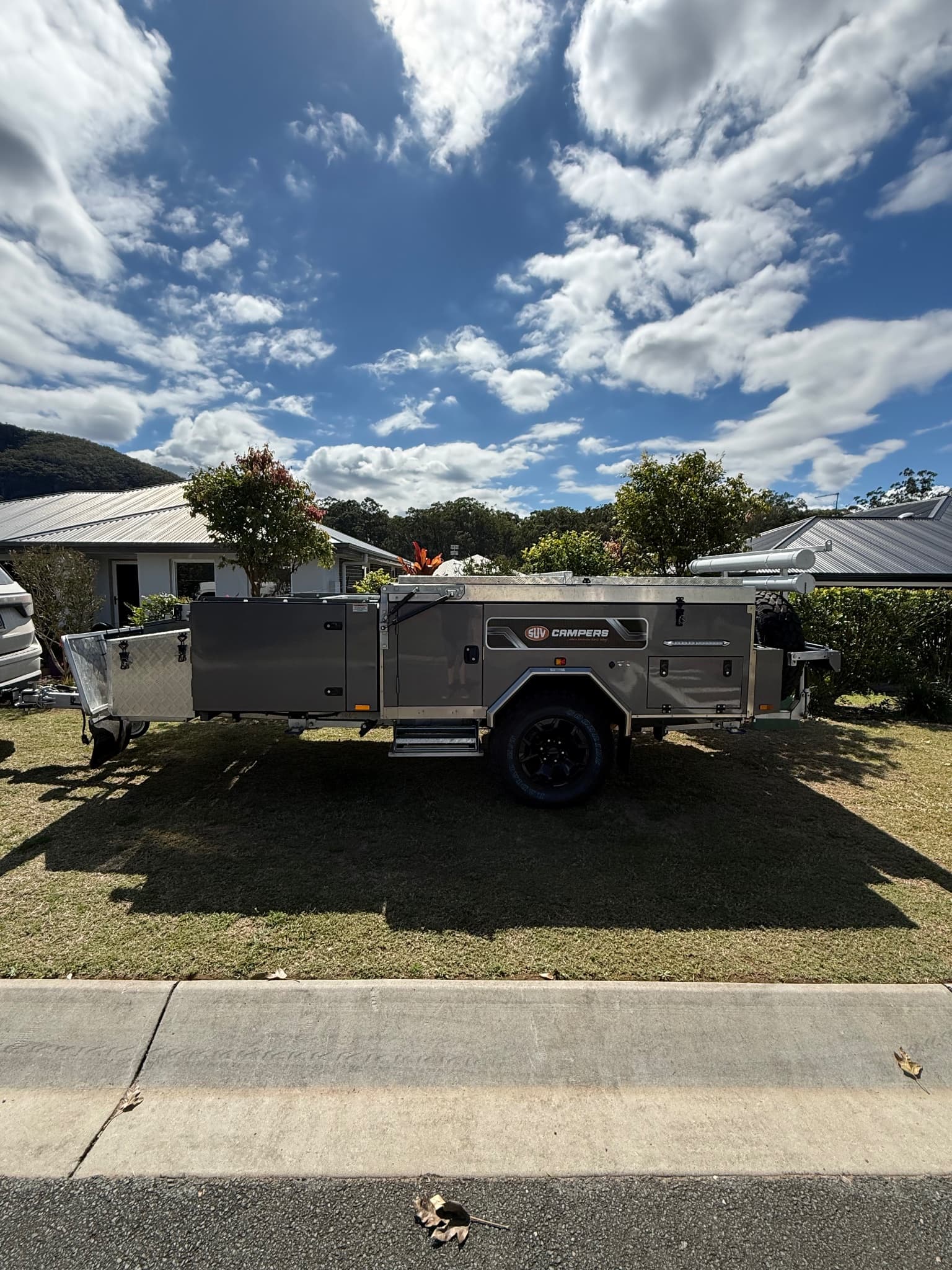
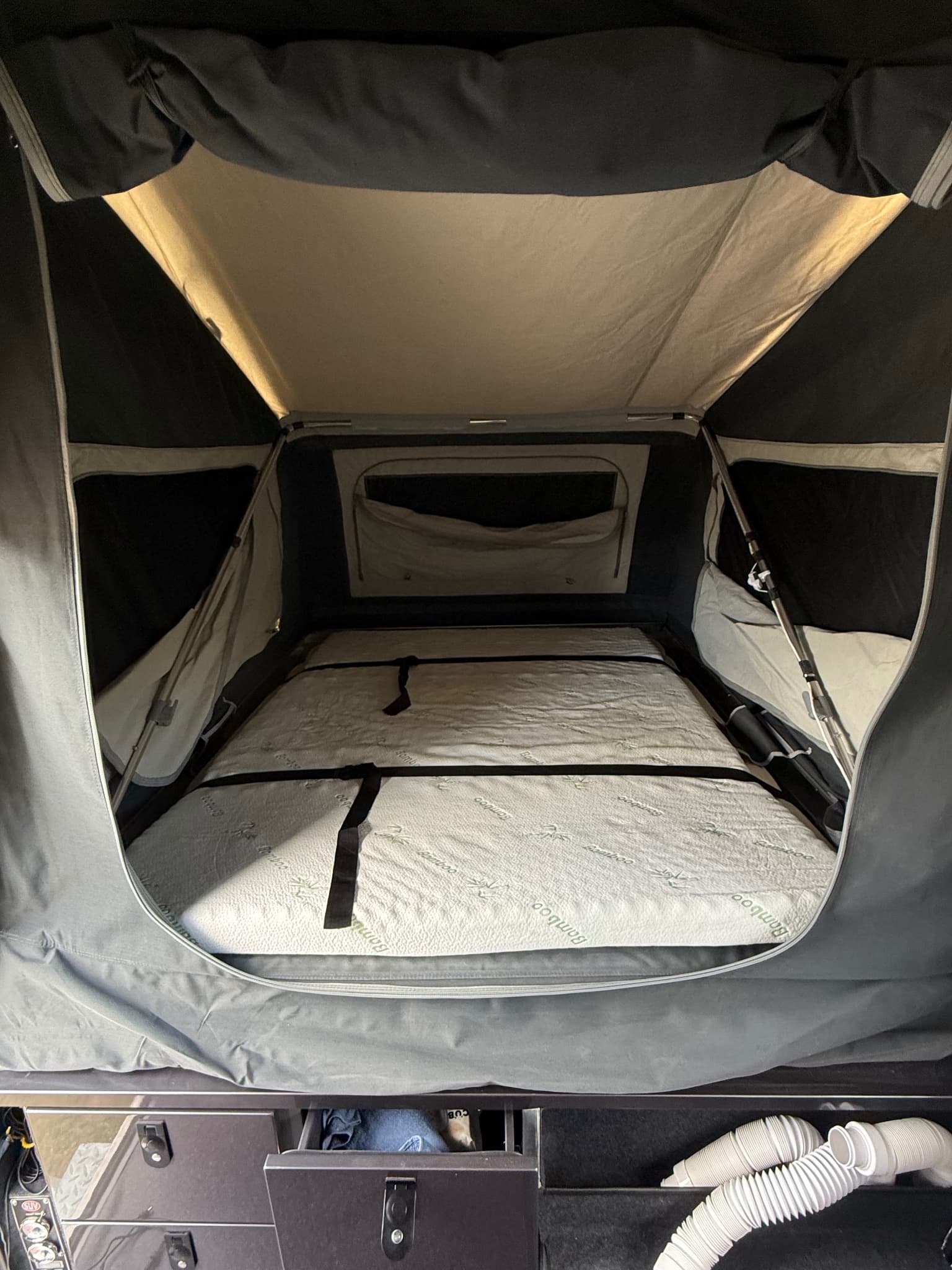
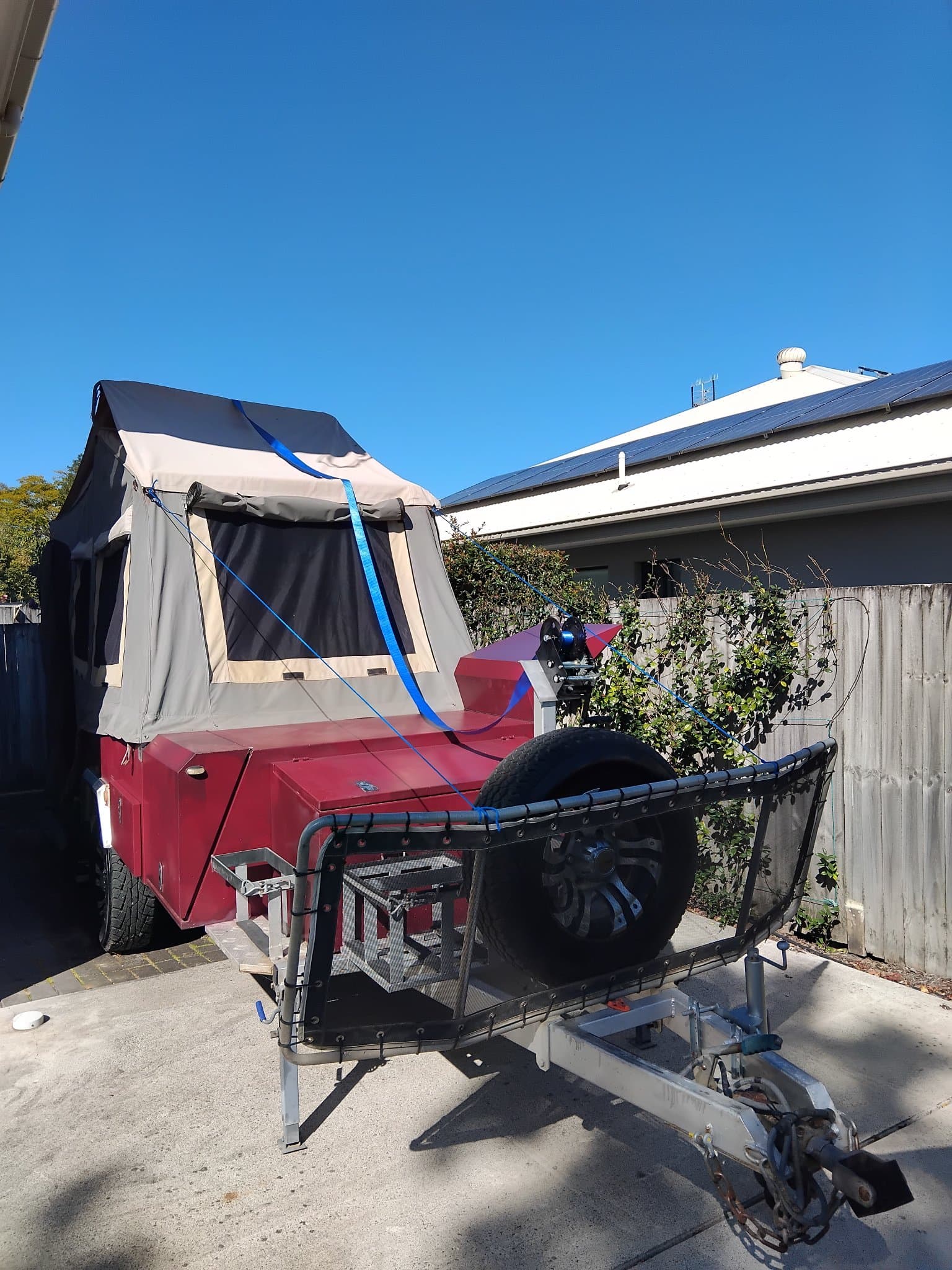
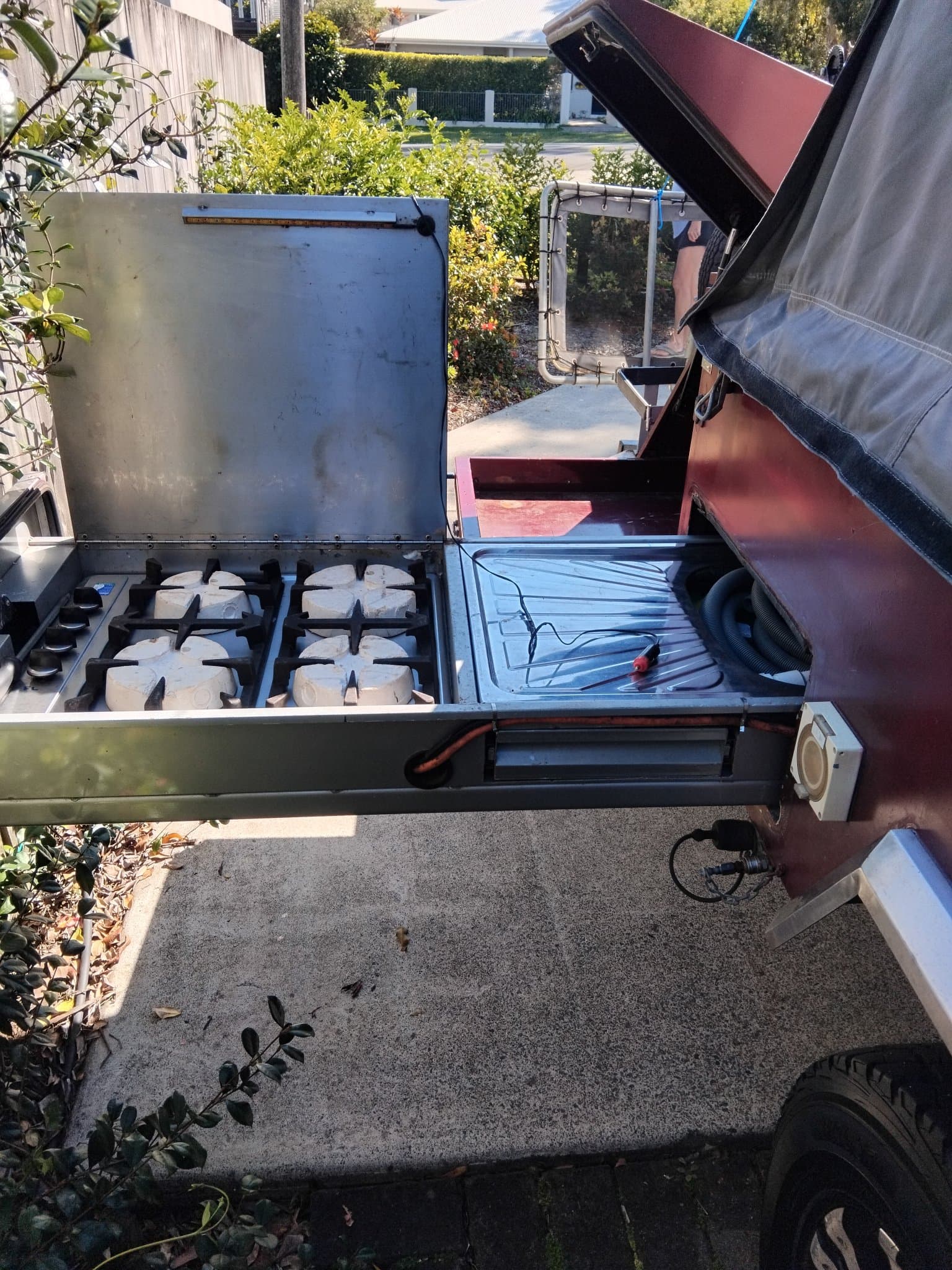
What to look for in a camper trailer
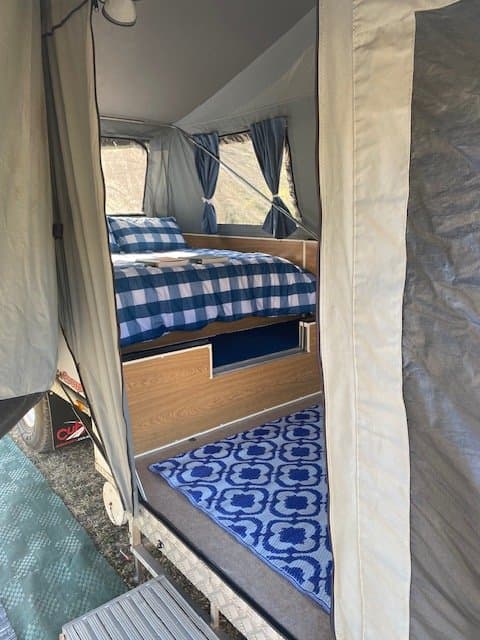
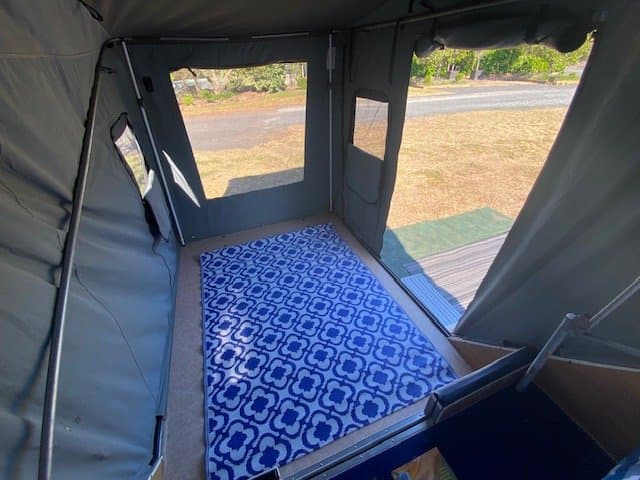
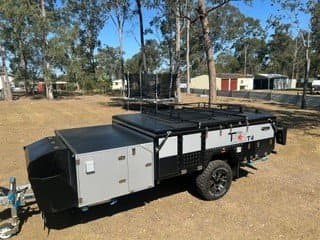
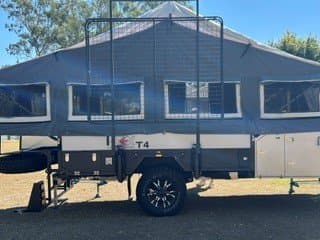
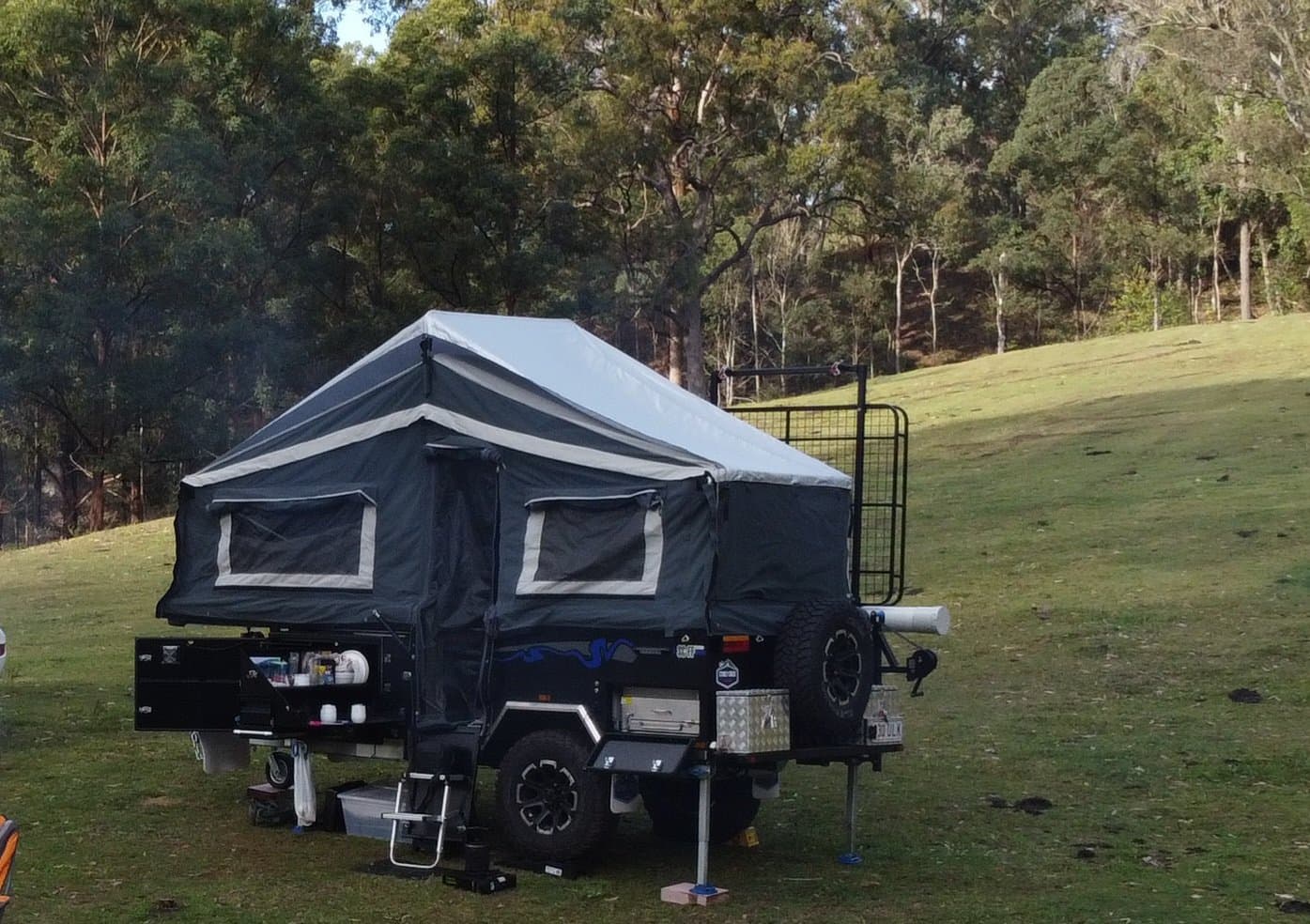
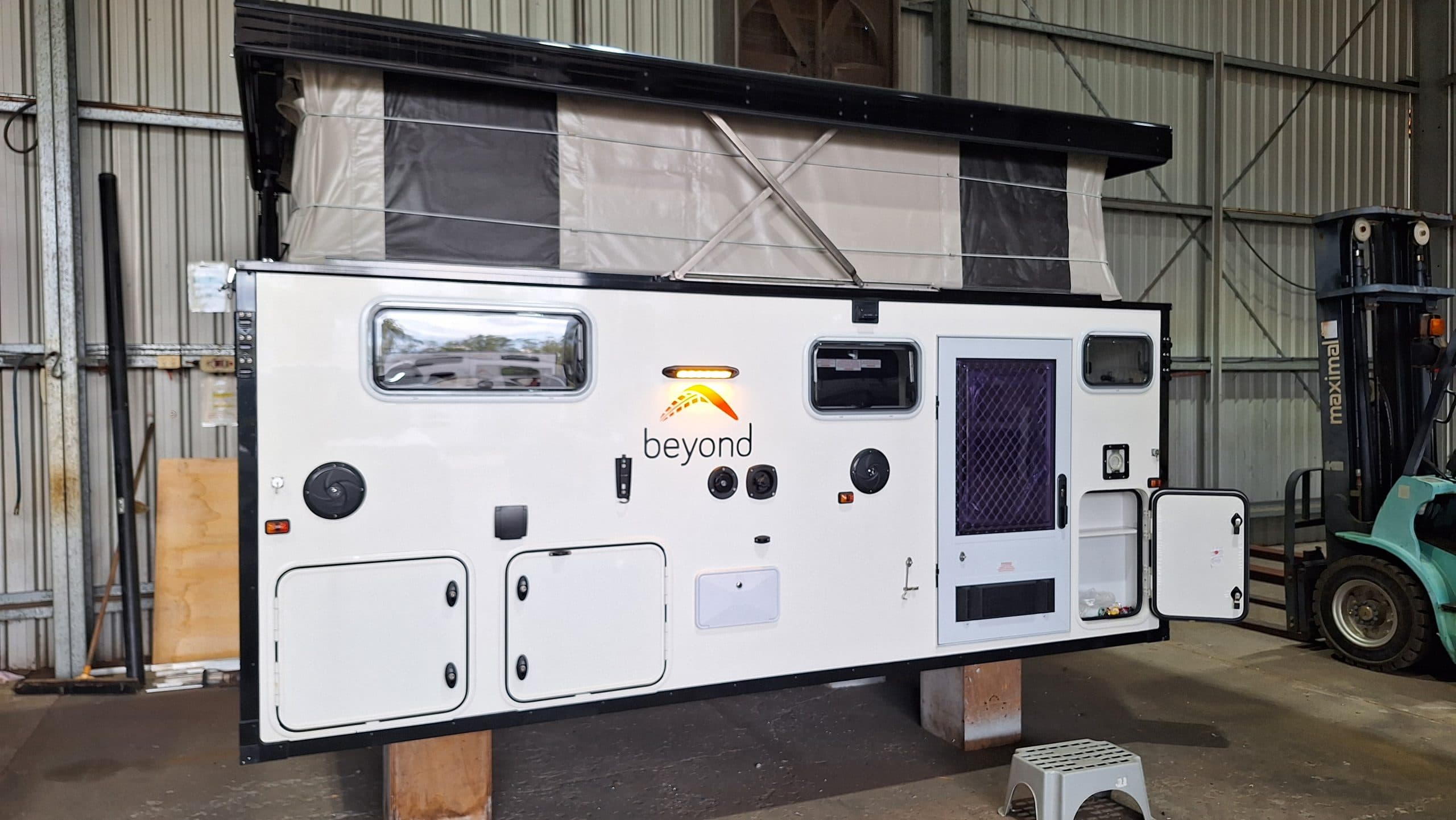
Camper trailers vary wildly in build and capability. Start by checking ATM weight — most tow vehicles handle 1900–3500 kg safely, but confirm your vehicle's tow rating and your licence class. Next, match sleep configuration to your crew: couples rigs typically sleep 2, expandable models sleep 3–4, and larger family units sleep 4–6. Inspect the chassis and suspension for off-road rating — independent suspension and reinforced frames cost more but handle corrugations and rough tracks. Check freshwater capacity (50–120 litres typical), battery spec (dual systems with 200W+ solar are off-grid essentials), and whether the construction is aluminium-framed or composite. Pop-tops offer better headroom than hard-shell when extended but take longer to set up.
Camper trailer pricing in Australia
Active listings on VANTURE range from $6,750 to $98,000, with a median of $21,400. Price reflects age, condition, and specification level — newer models with dual batteries, large water tanks, reinforced off-road chassis and modern interior fit typically cost more than simpler used units. Lightweight pop-tops and basic 2-person rigs sit toward the lower end, while expedition-spec family models with premium suspension and full-feature interiors occupy the upper range. Set an alert to monitor pricing trends as new stock arrives.
Tow vehicle and licence considerations
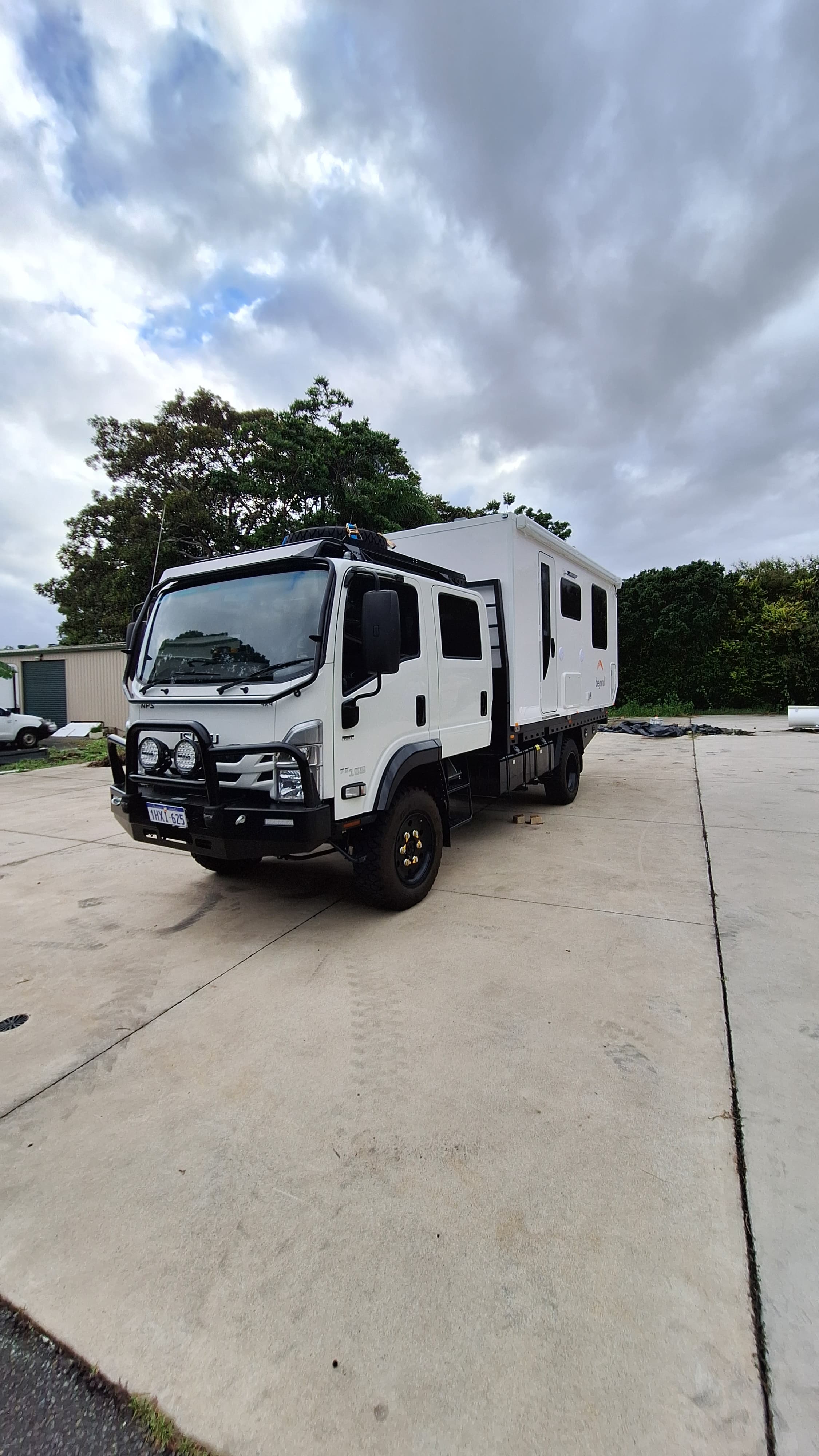
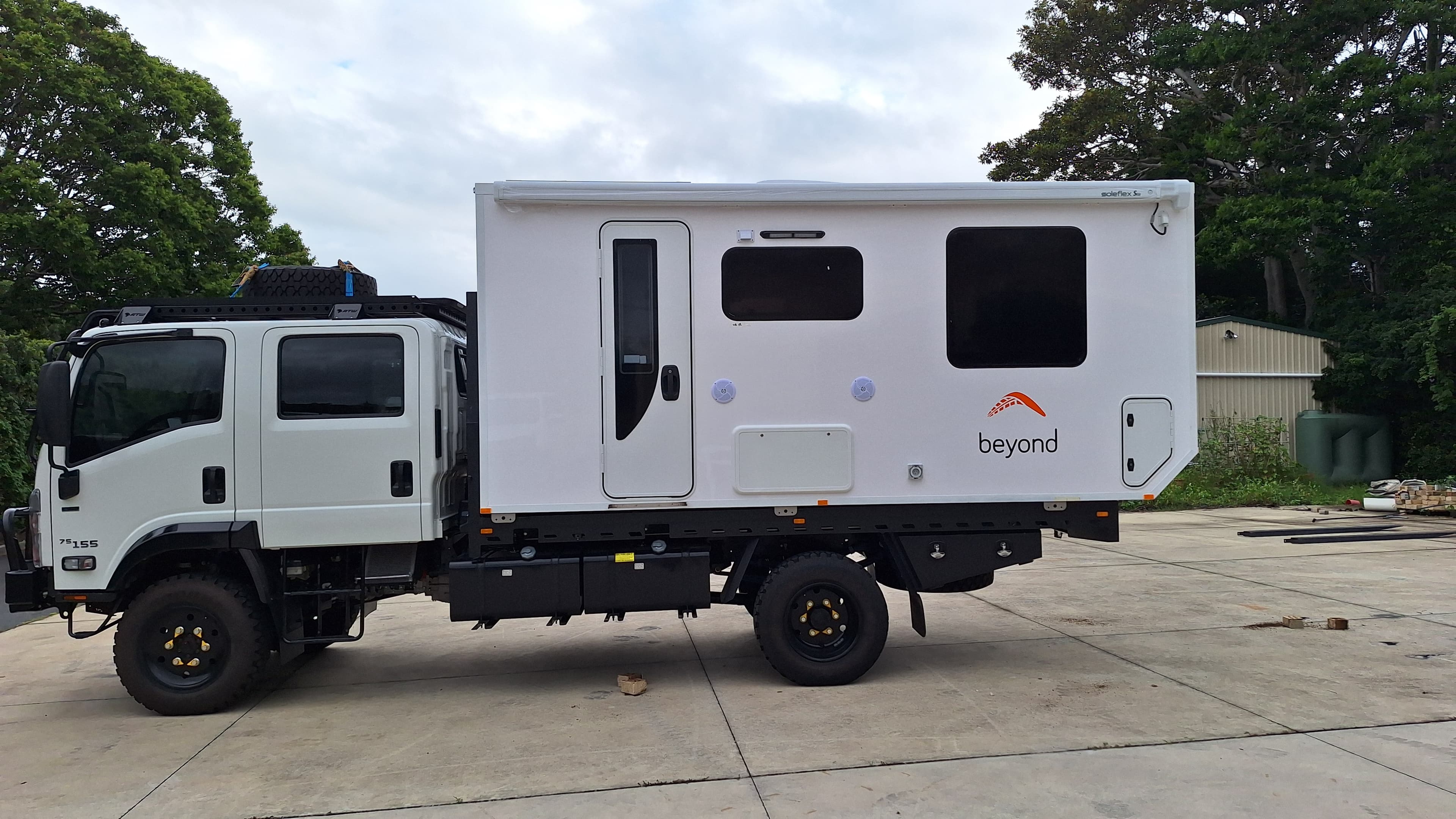
Check your vehicle's tow capacity — most modern dual-cab utes and large SUVs can handle camper trailers in this segment, but confirm the dry ATM on the compliance plate against your vehicle's maximum towing weight. You'll also need an Australian driving licence class that covers towing: most licence holders have unrestricted towing, but some older or restricted licences limit towed weight to 750 kg. Contact your state's road authority to confirm. Remember that towing affects fuel economy and handling — factor in fuel costs and consider a lightweight model if you're using a smaller vehicle.
Used vs new camper trailers
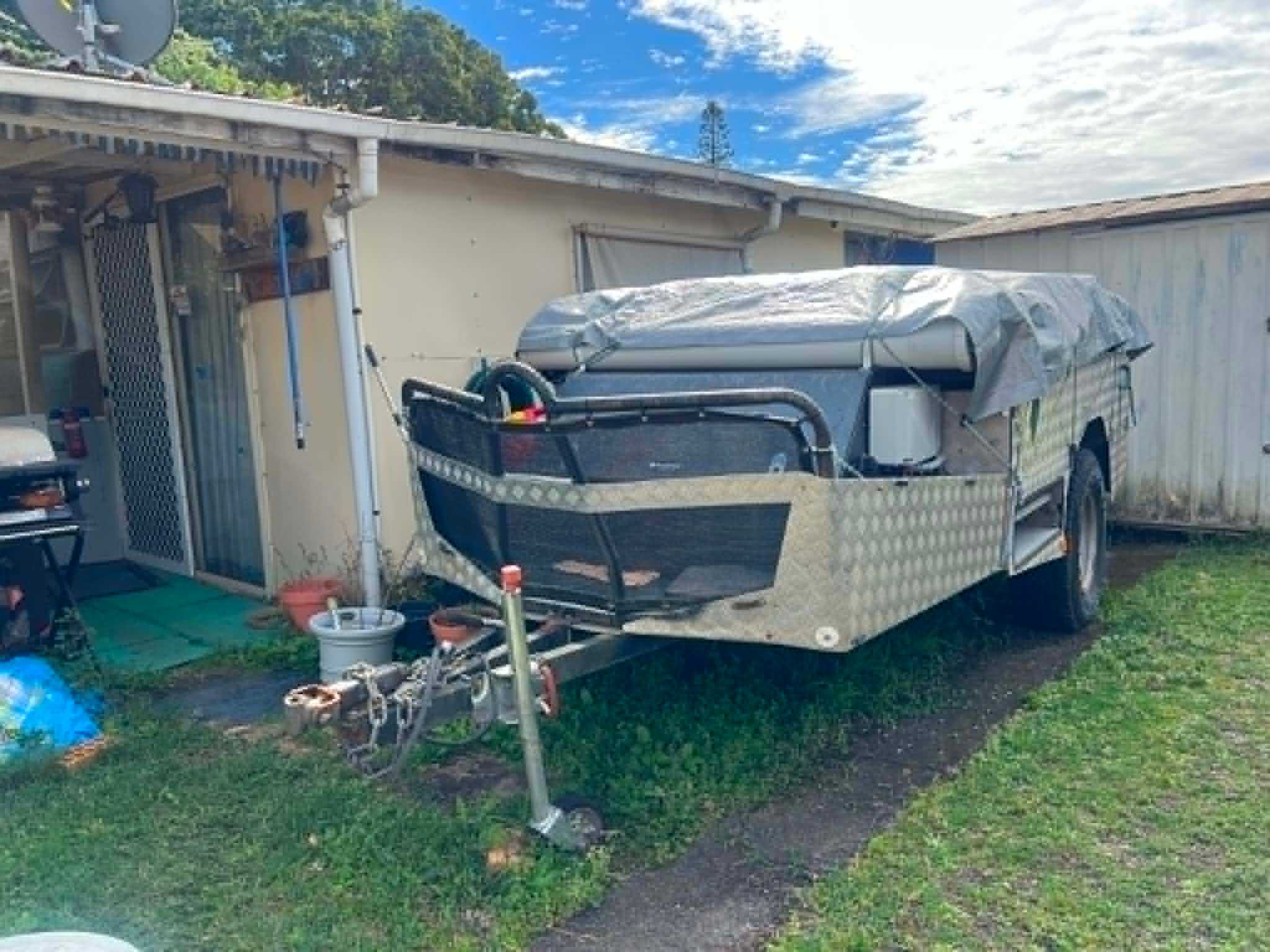
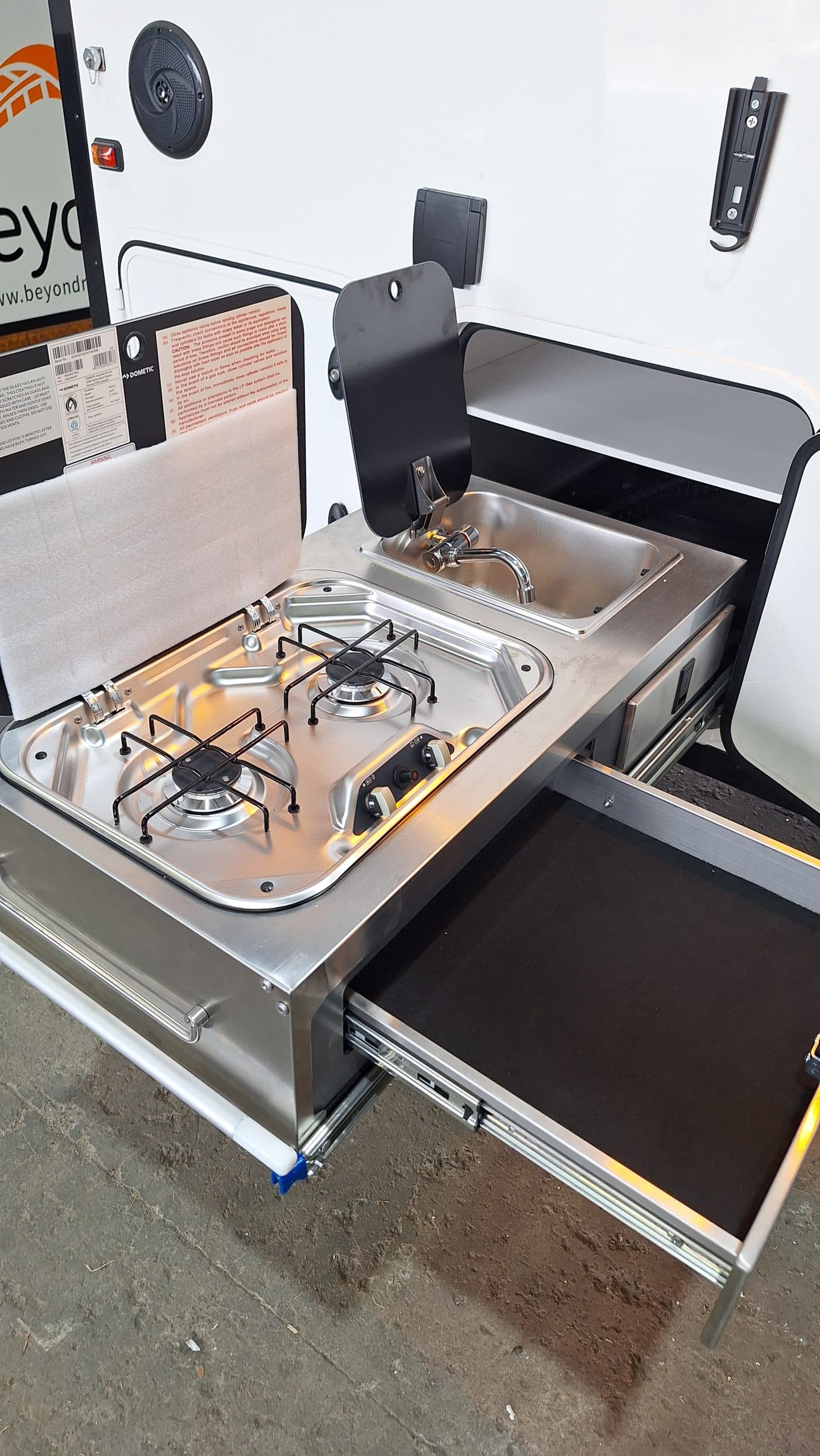
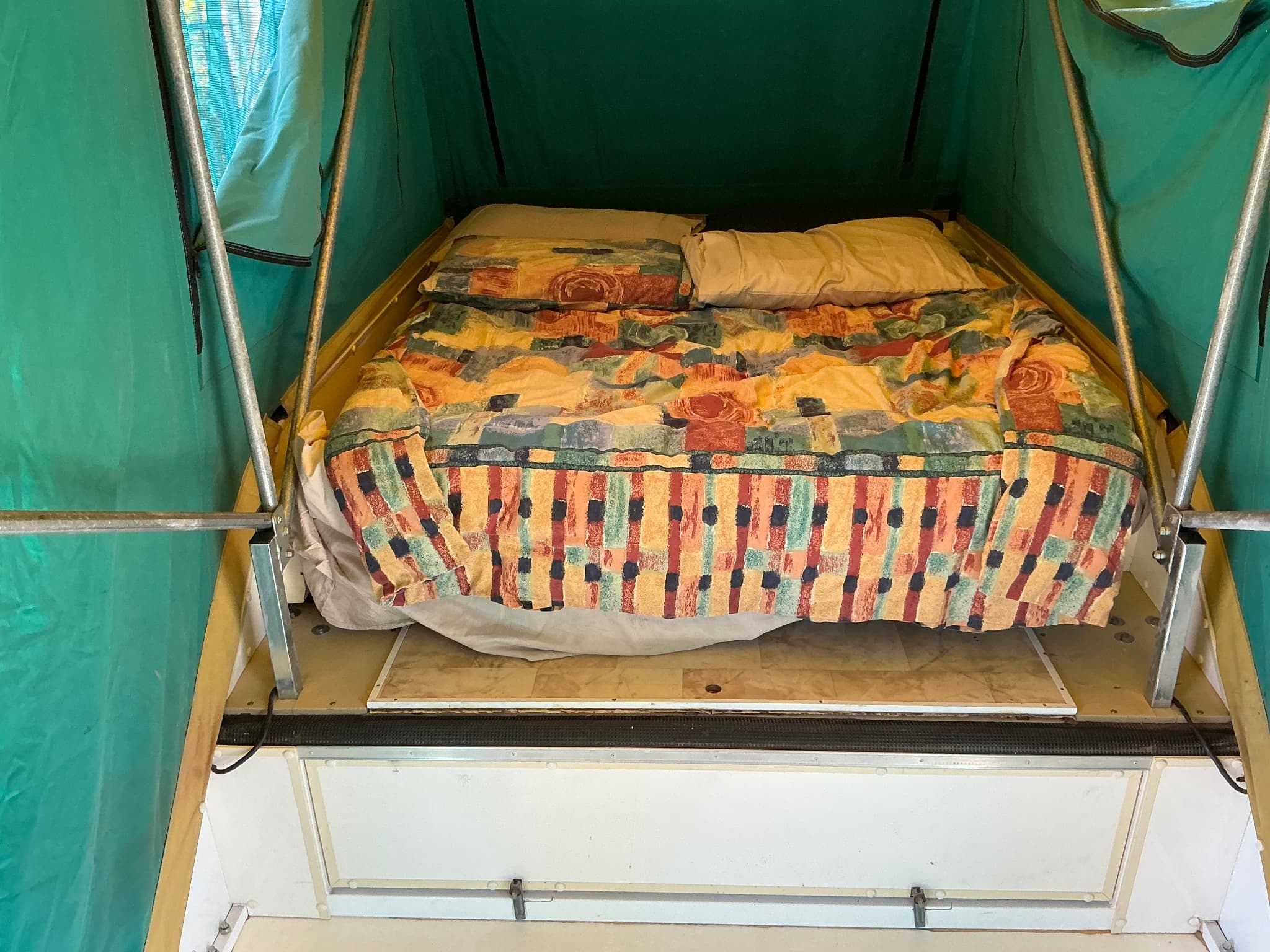
New camper trailers offer manufacturer warranties, the latest off-road chassis and energy systems, and the ability to specify interior layout and appliances. Used units are less common on the market — VANTURE has recorded 6 confirmed sales — which means pricing is less established and stock moves fast. Used models aged 5–10 years typically have wear on canvas, seals and battery systems but retain solid structural integrity if well-maintained. Inspect canvas for mildew and UV damage, check for water ingress around windows and doors, test the battery and solar, and ask for service history. New models cost more but eliminate mechanical risk.
Build construction and what to inspect
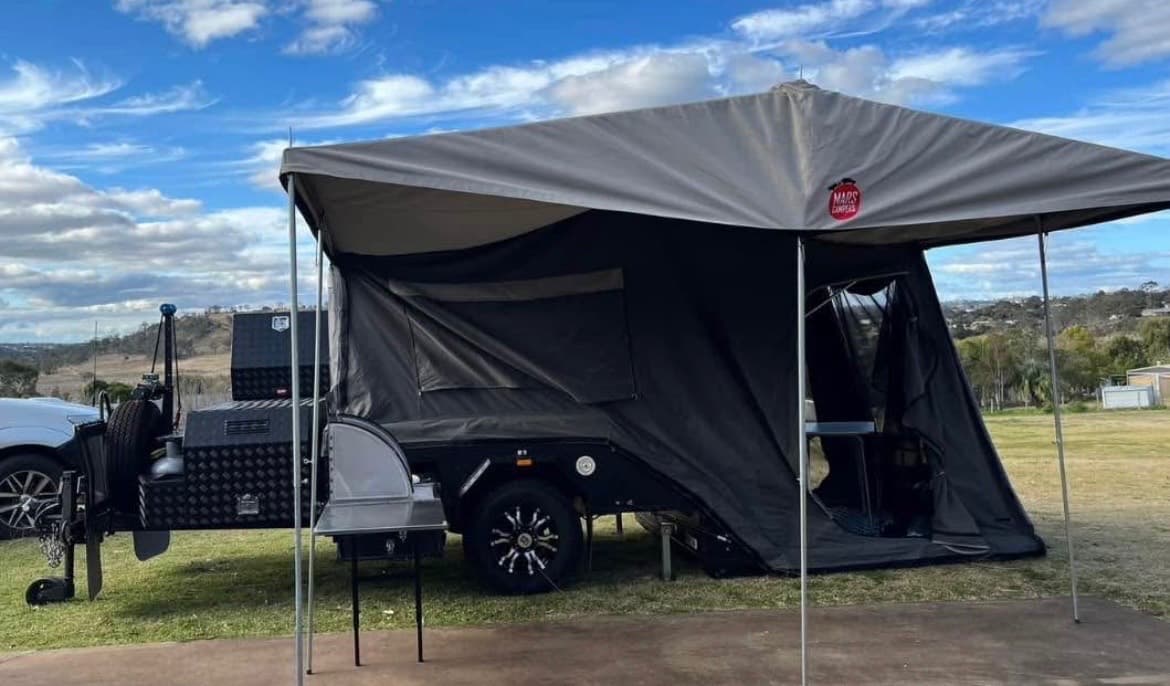
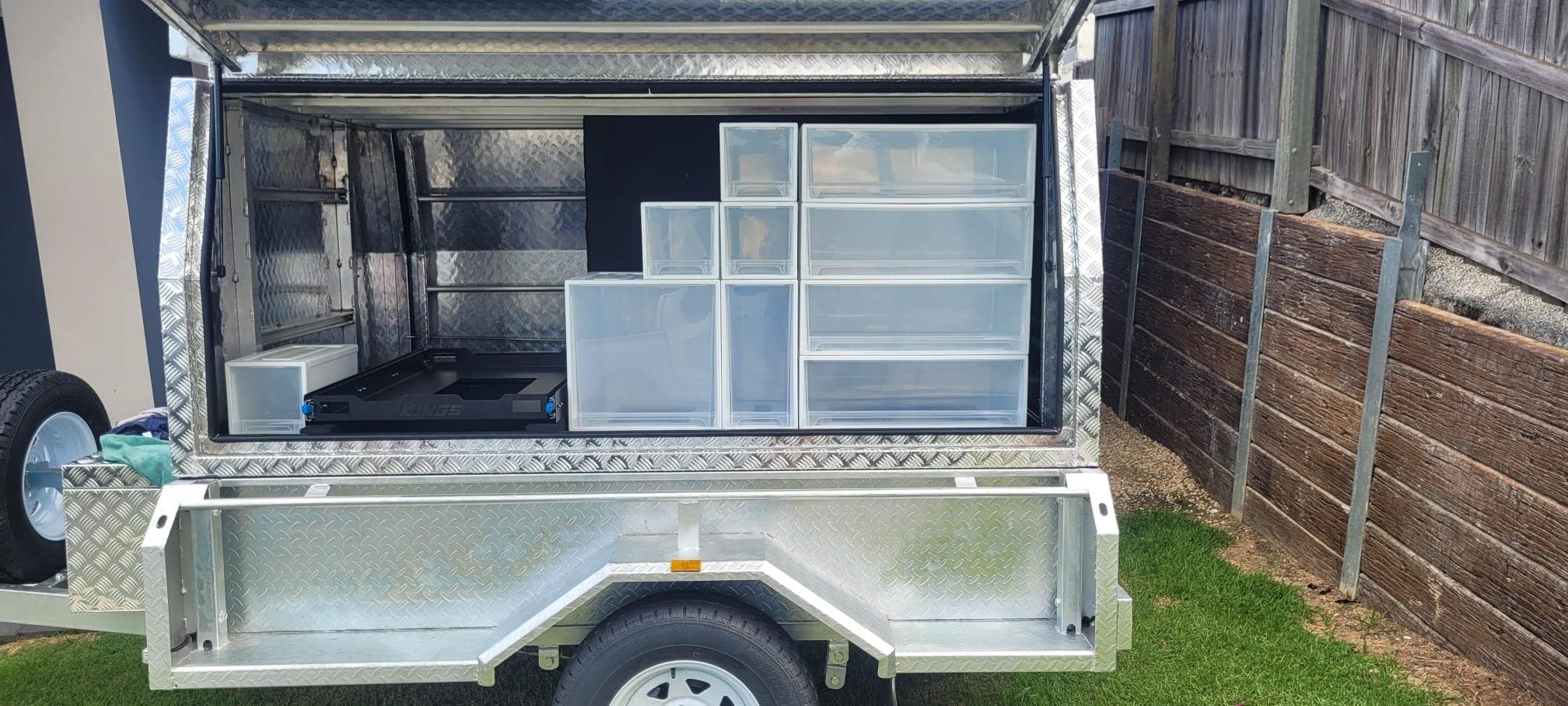
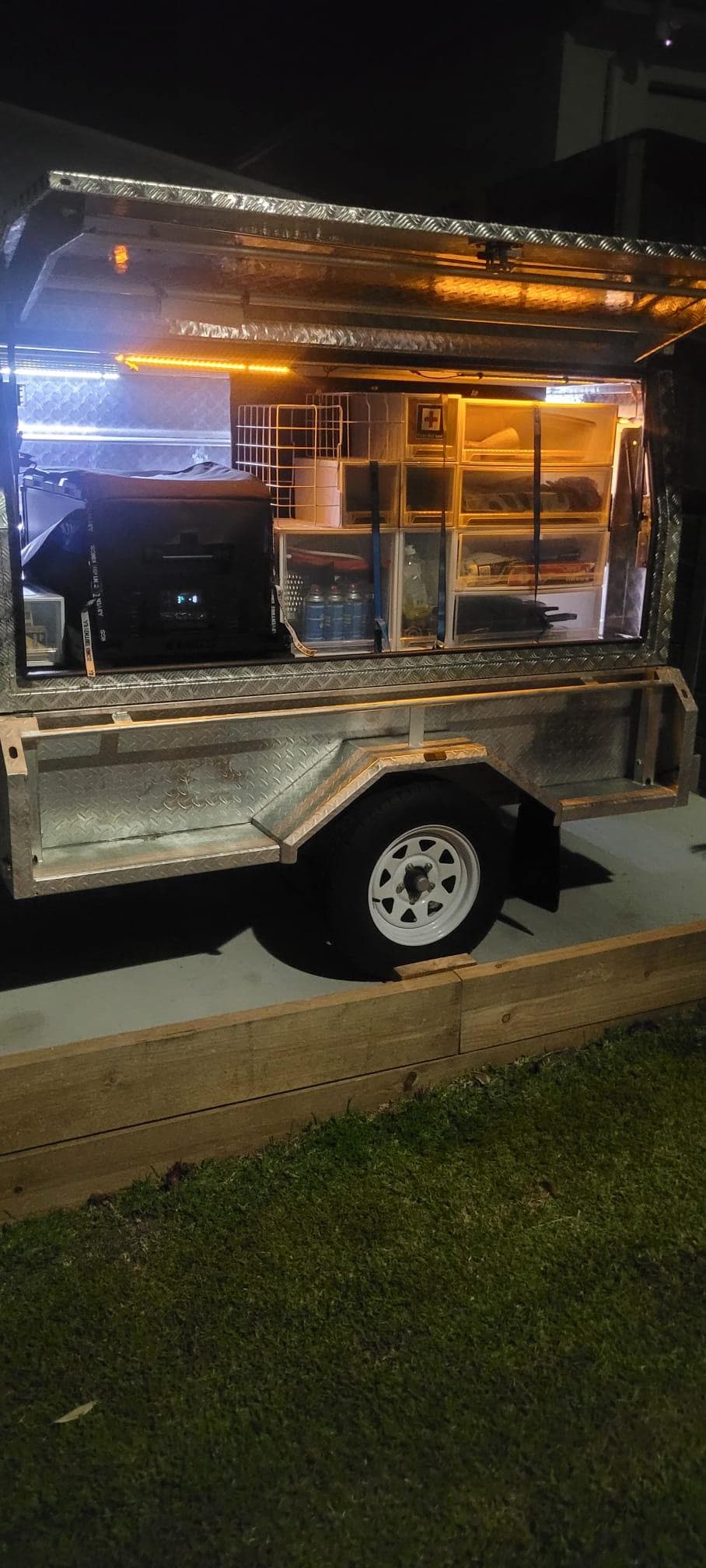
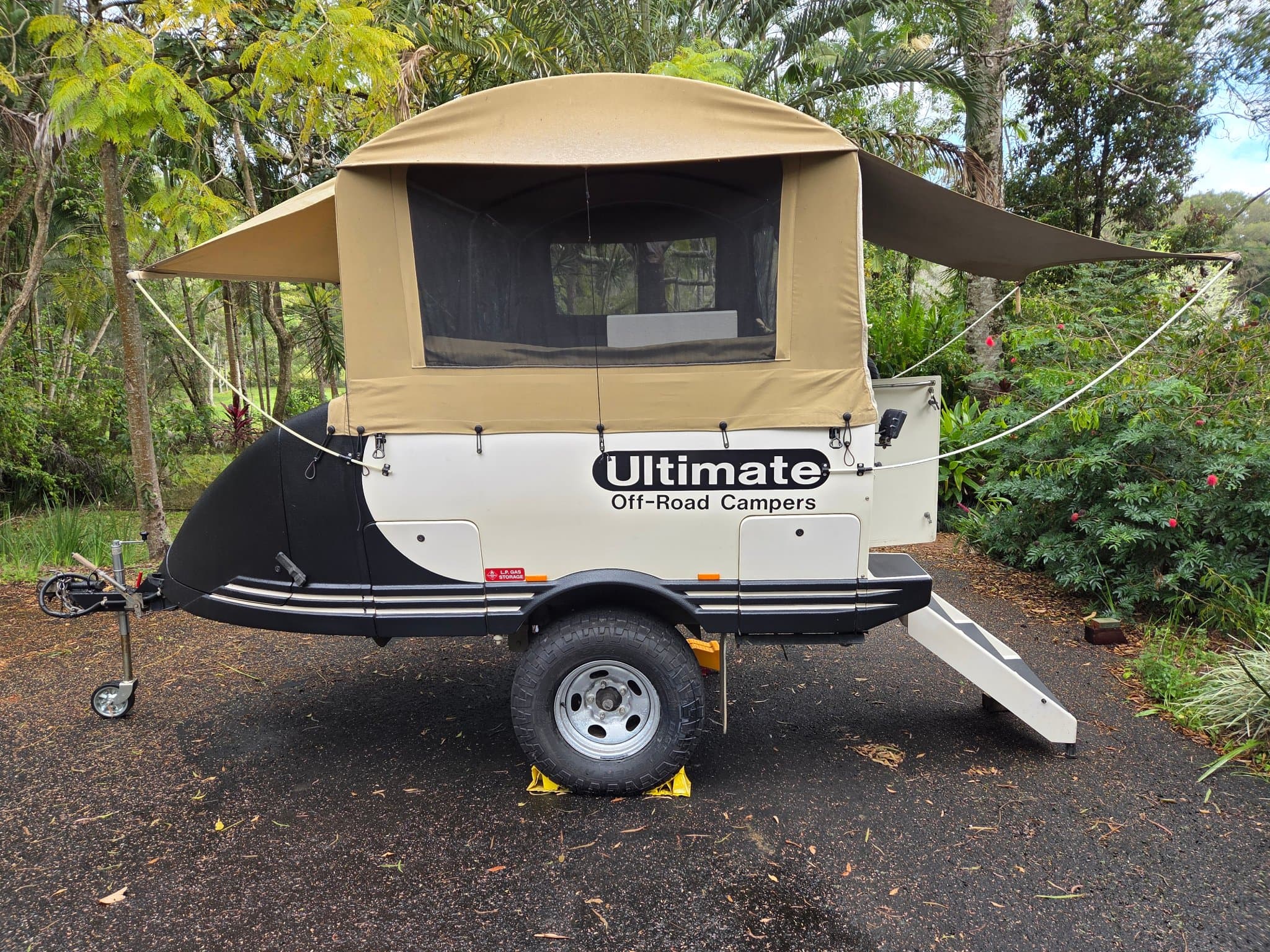
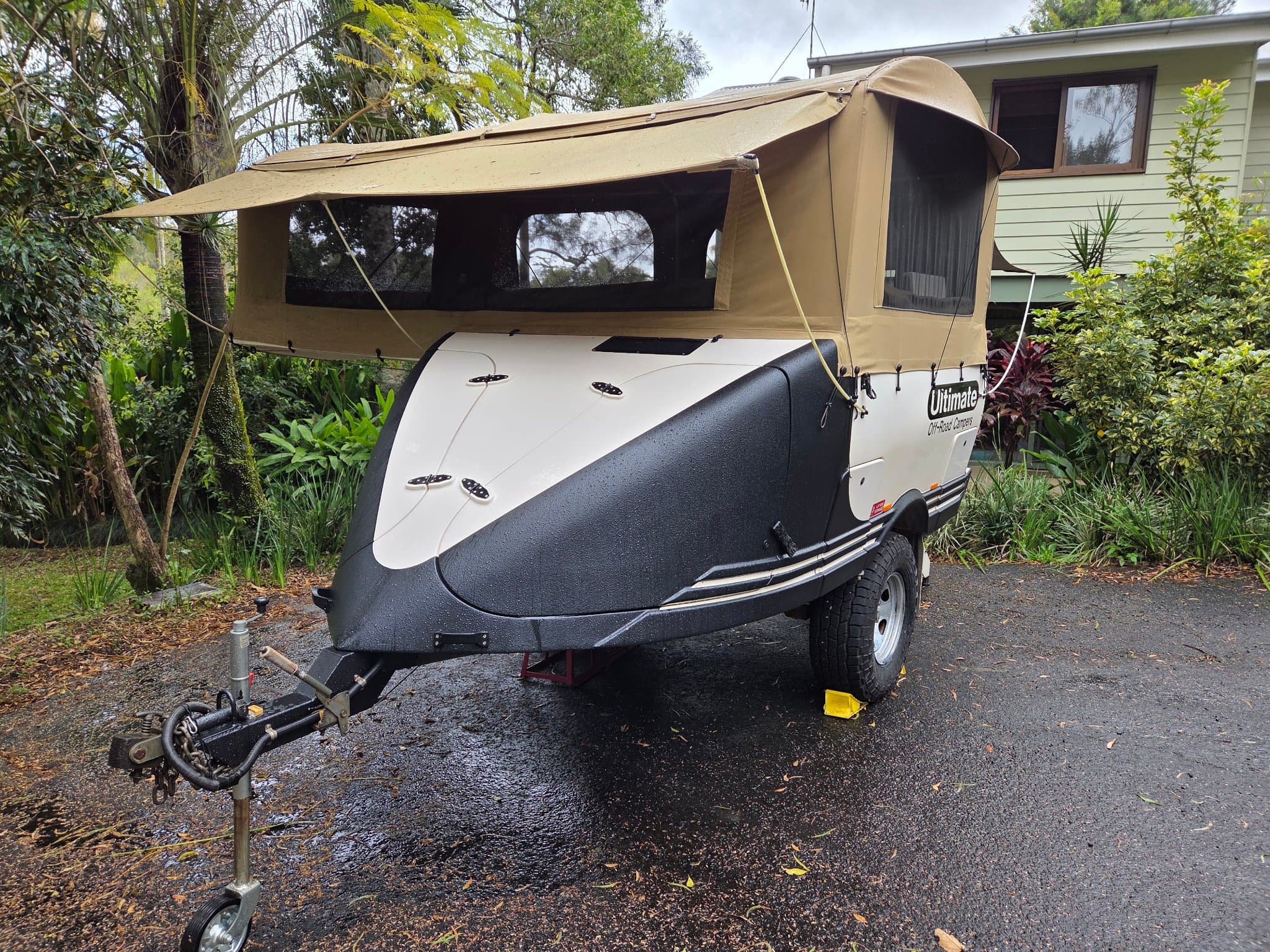
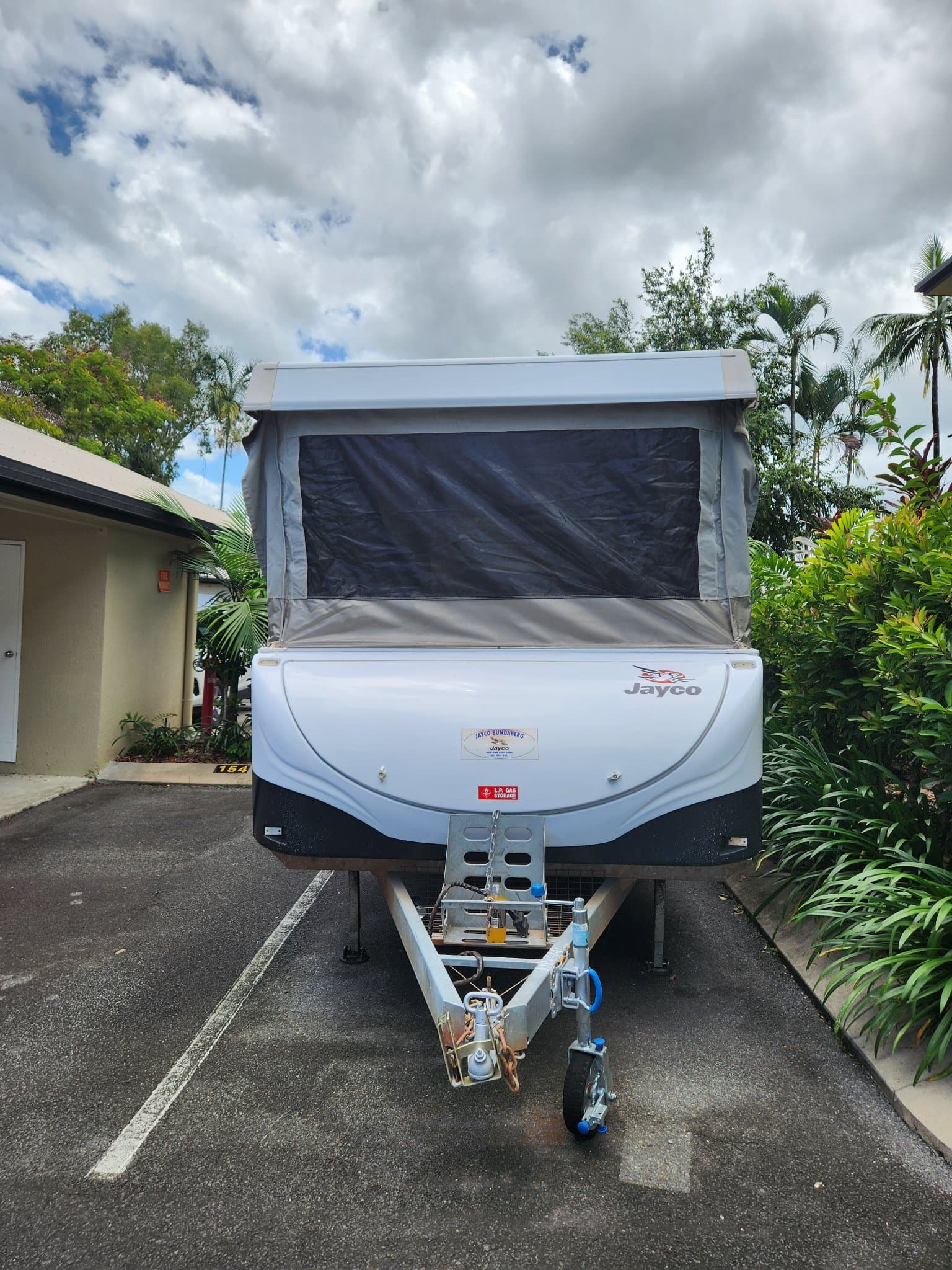
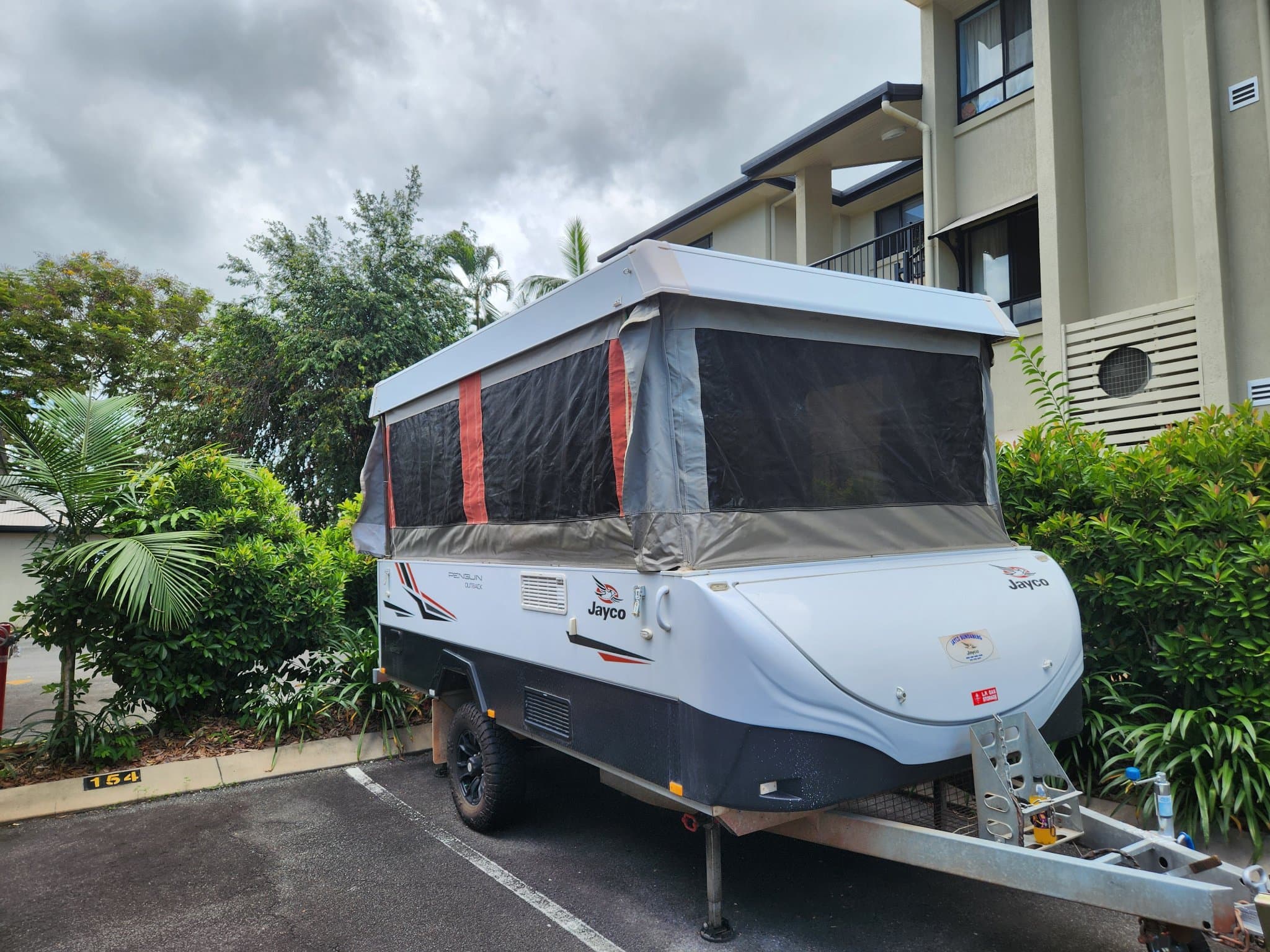
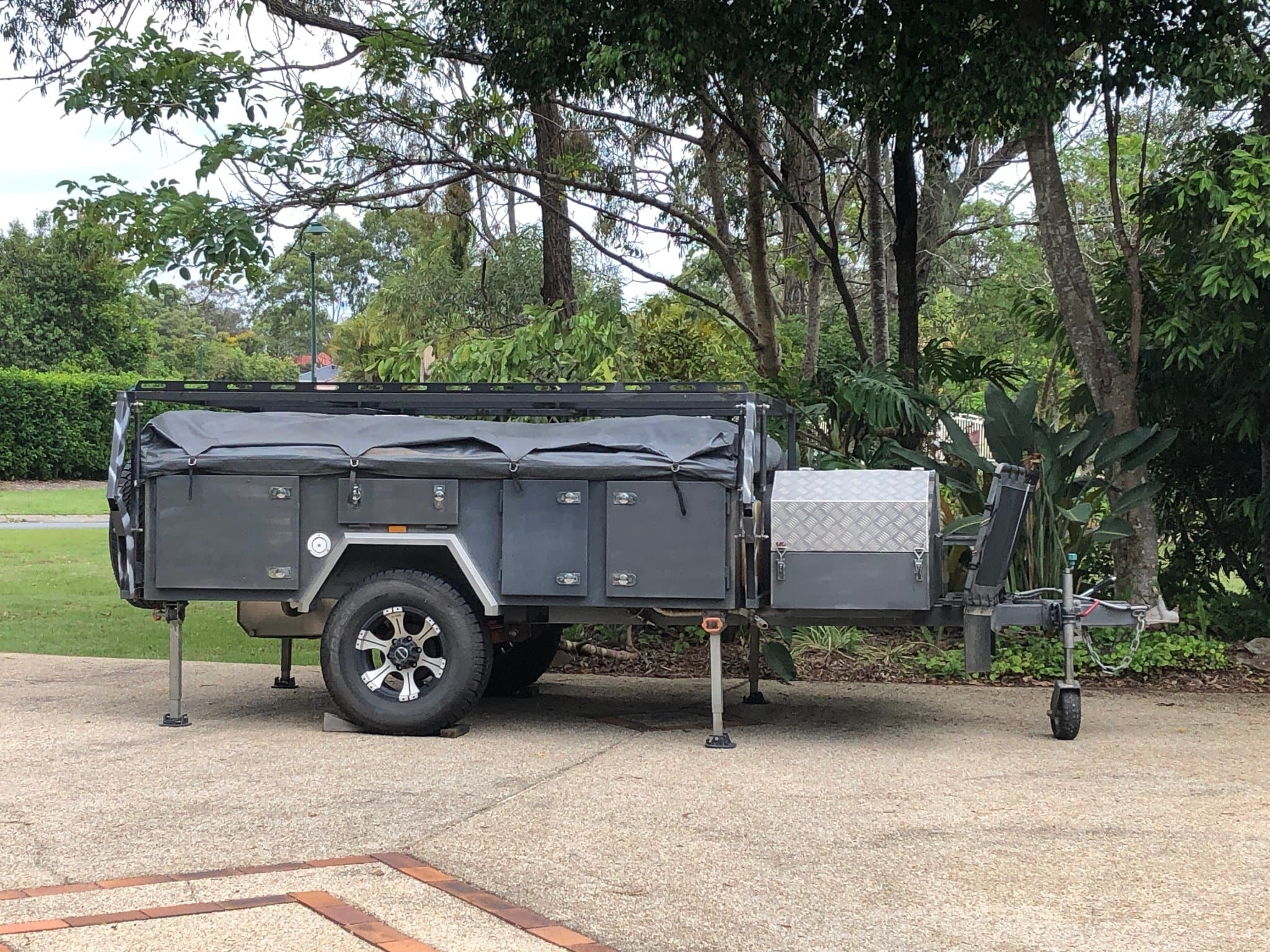
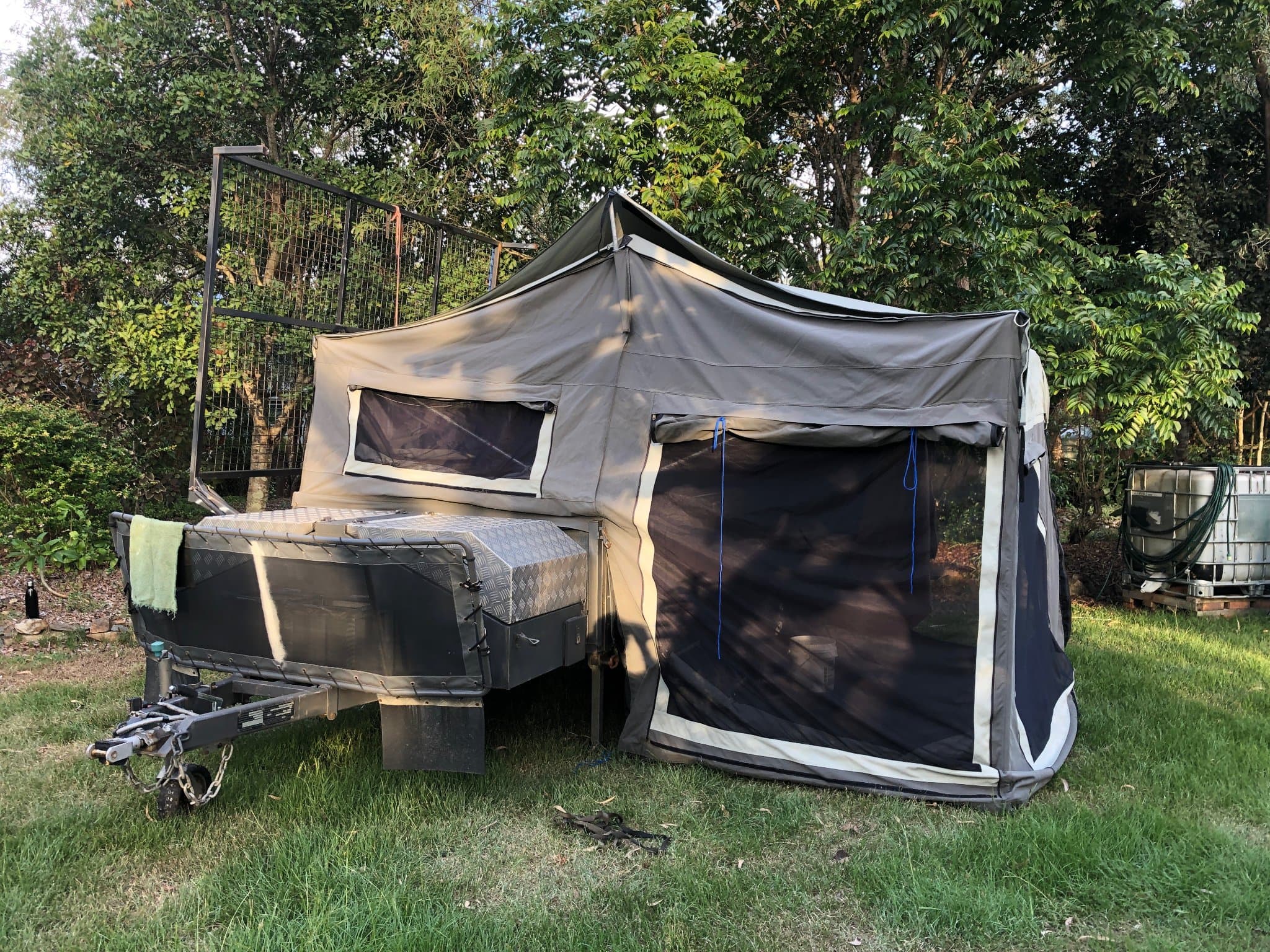
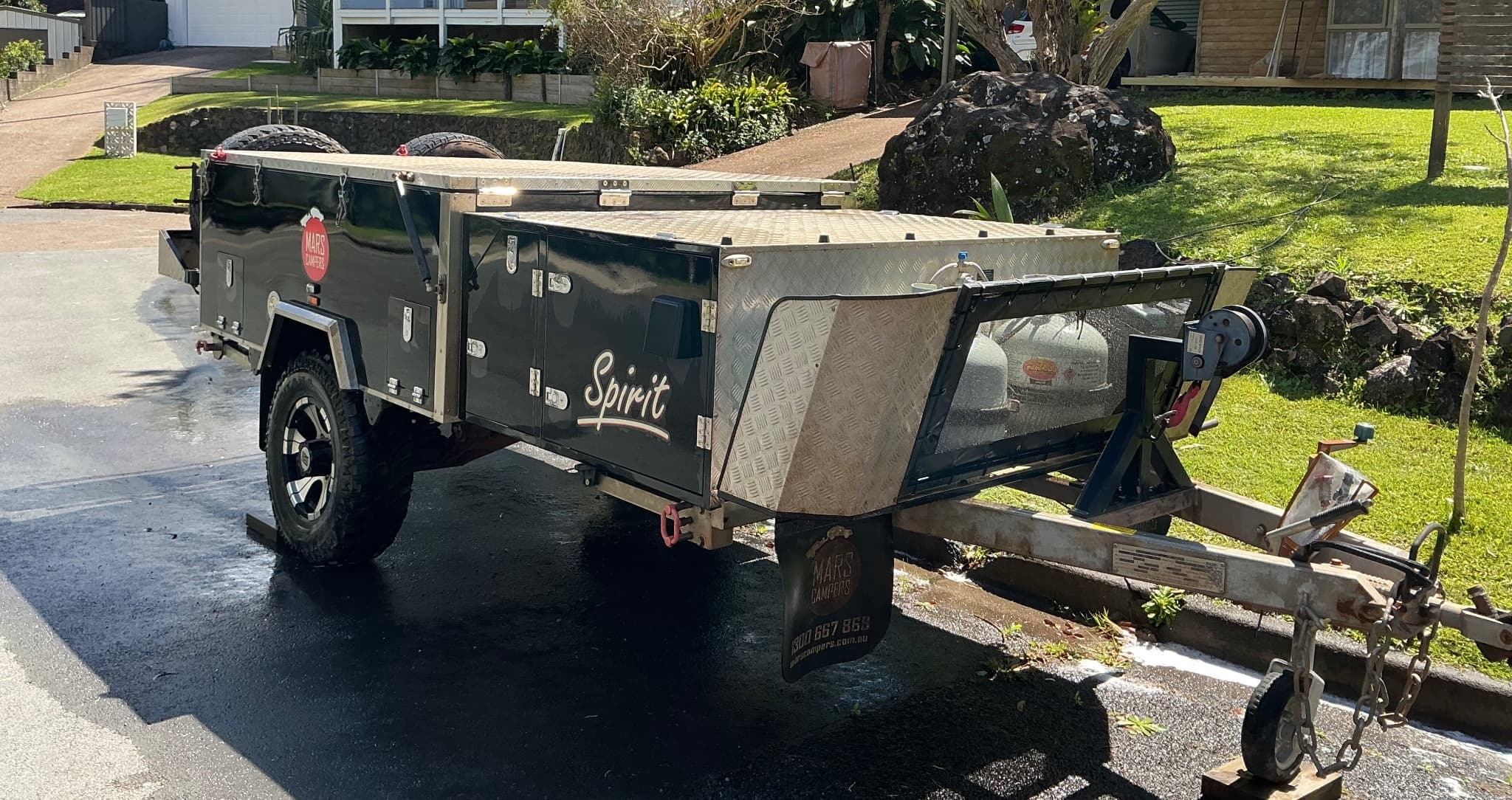
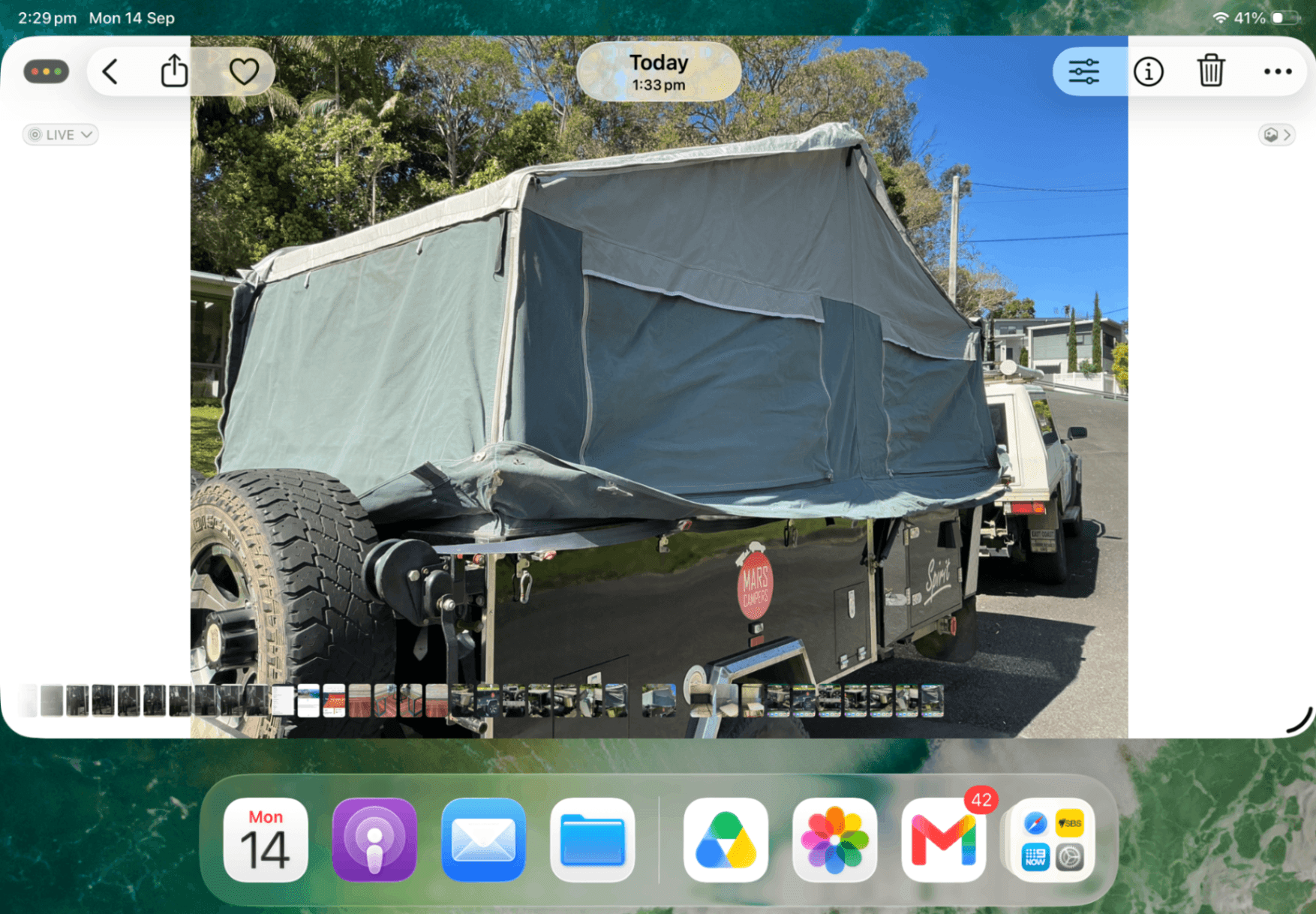
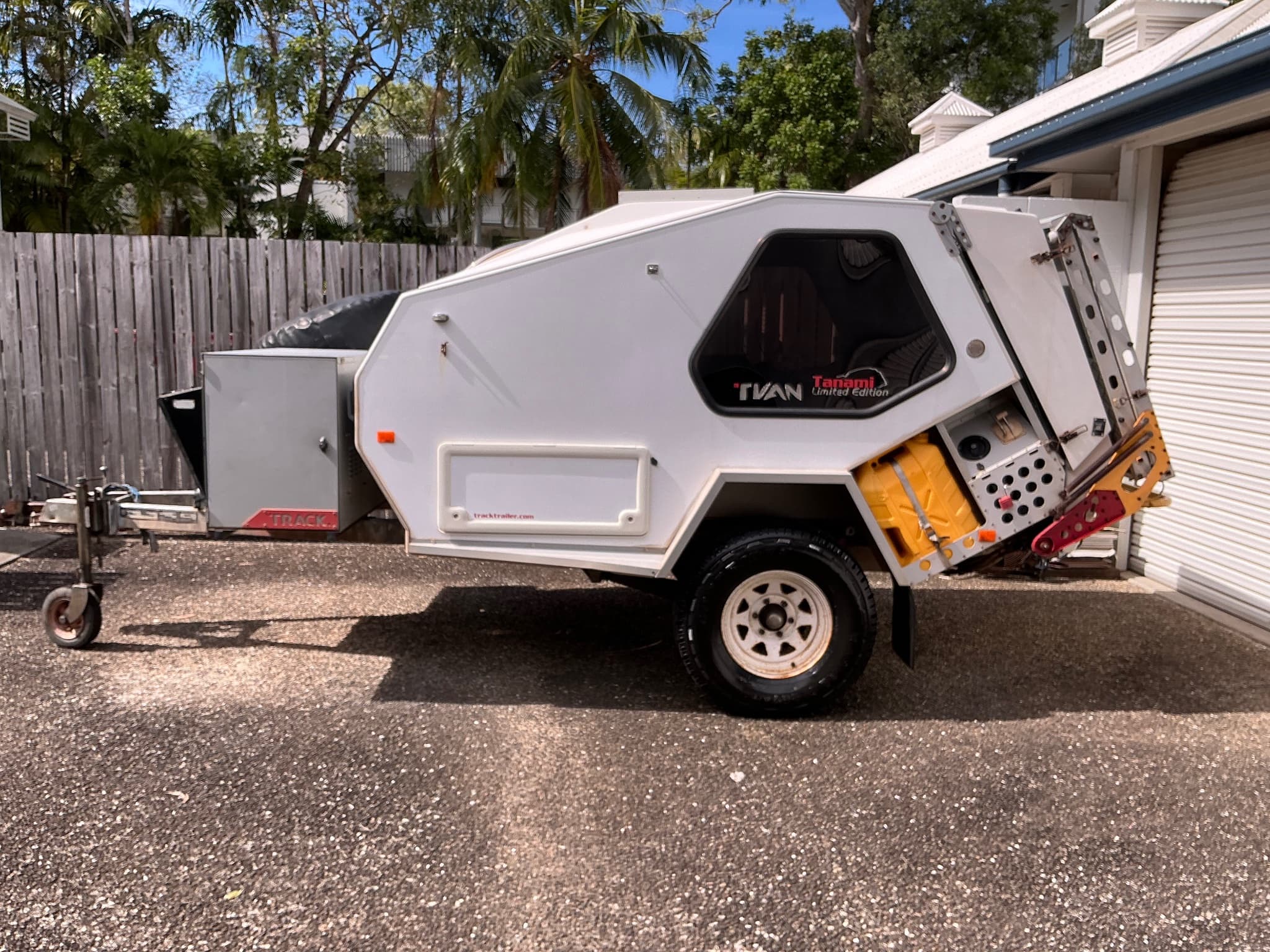
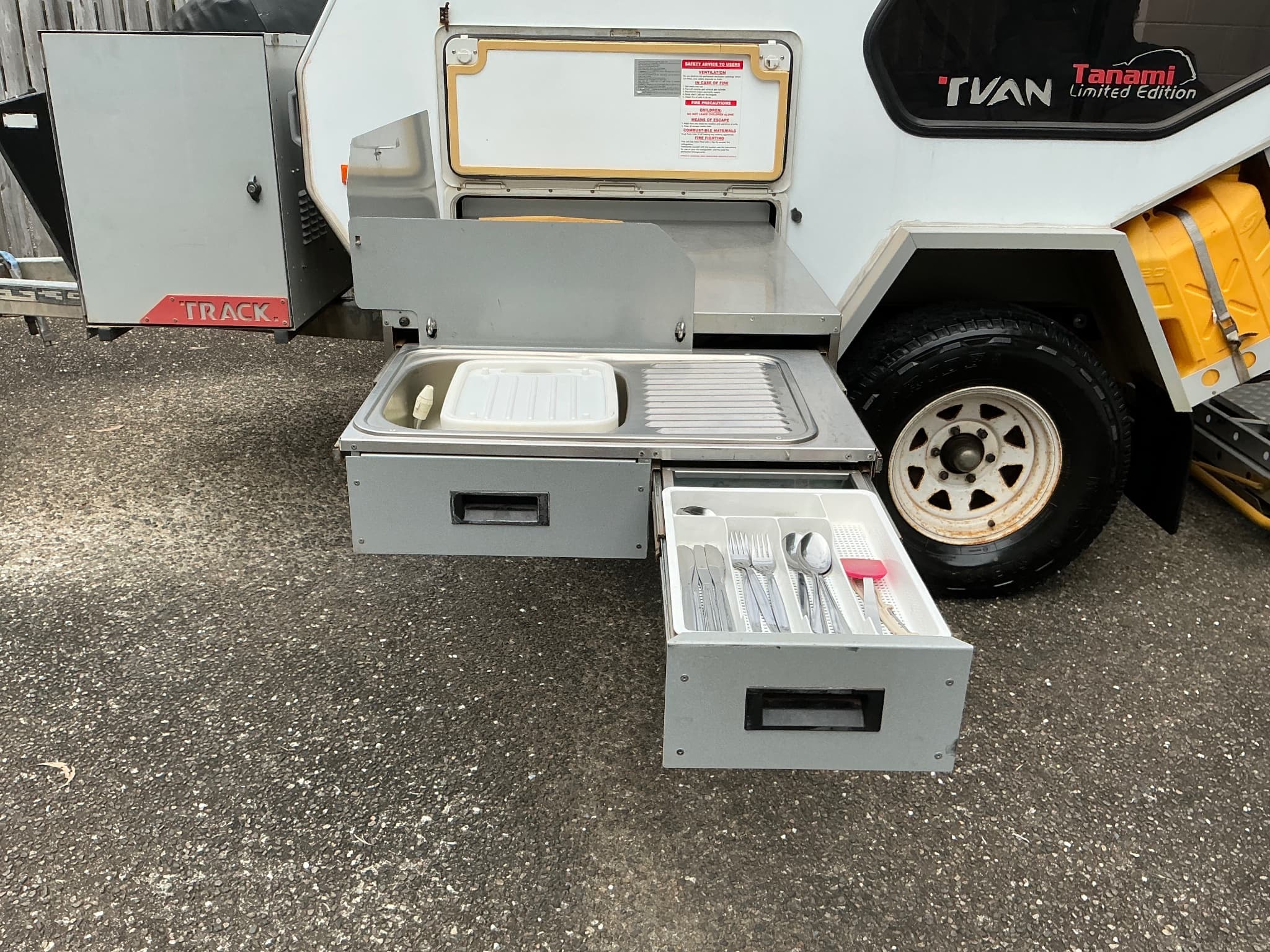
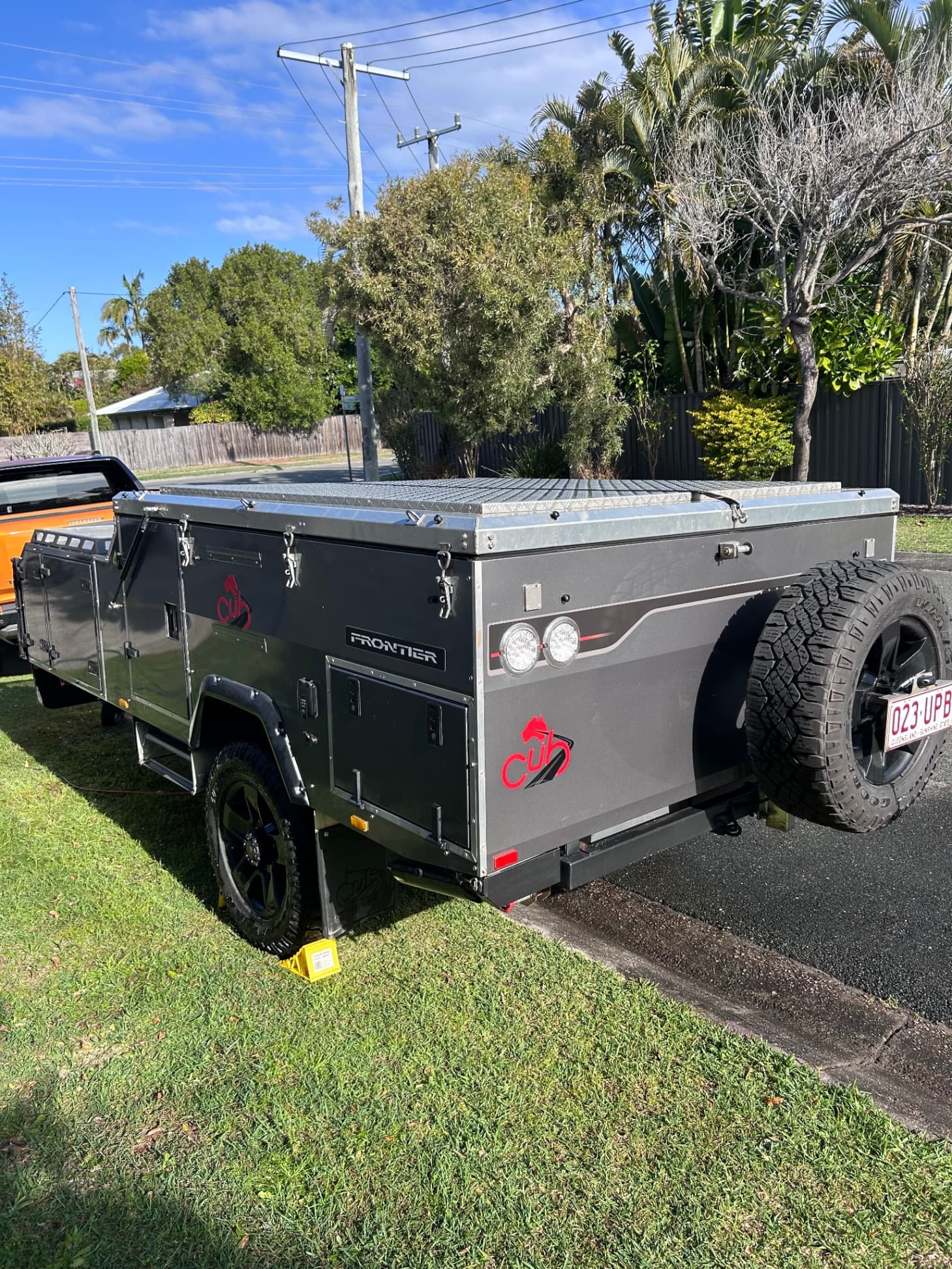
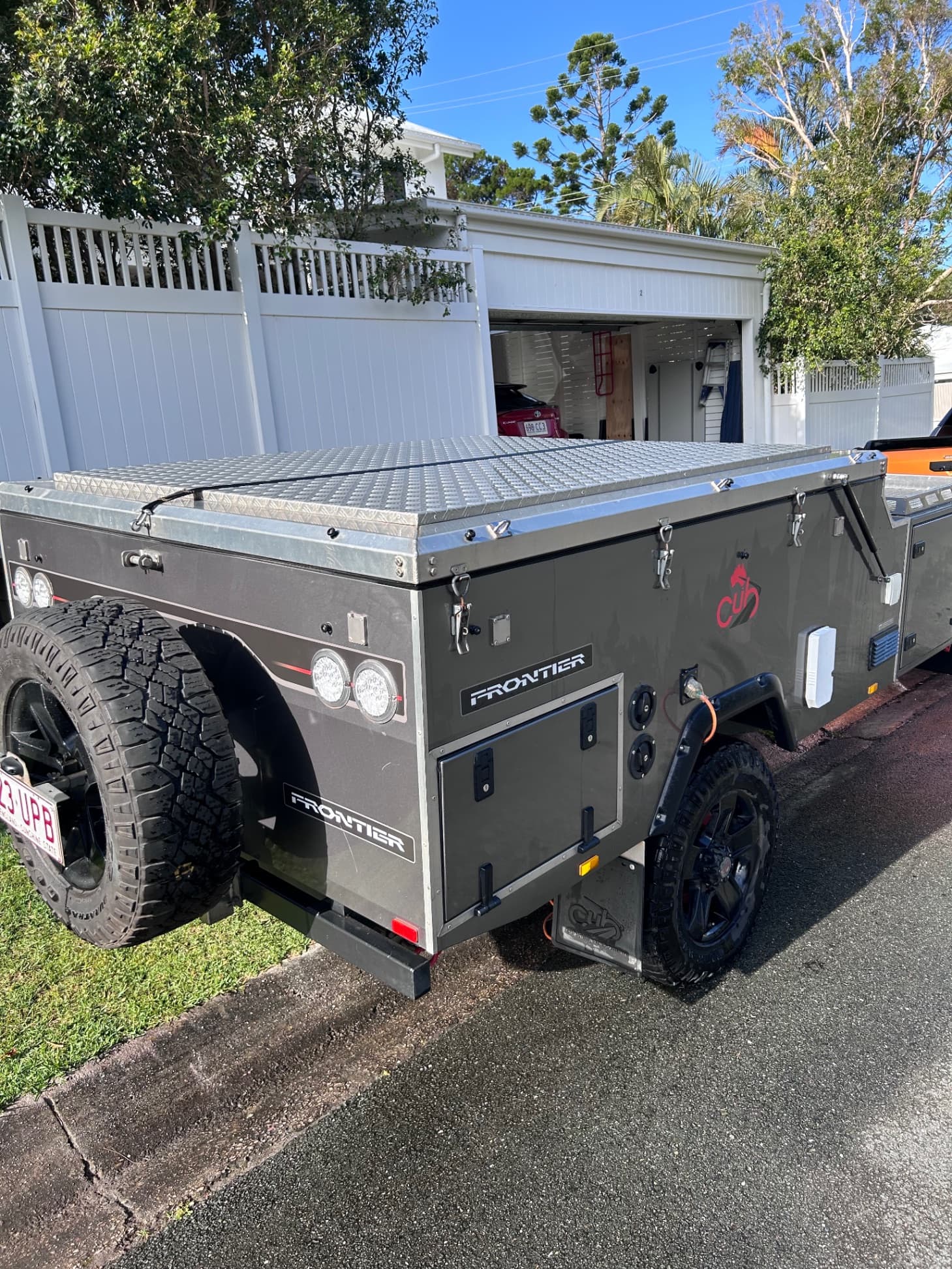
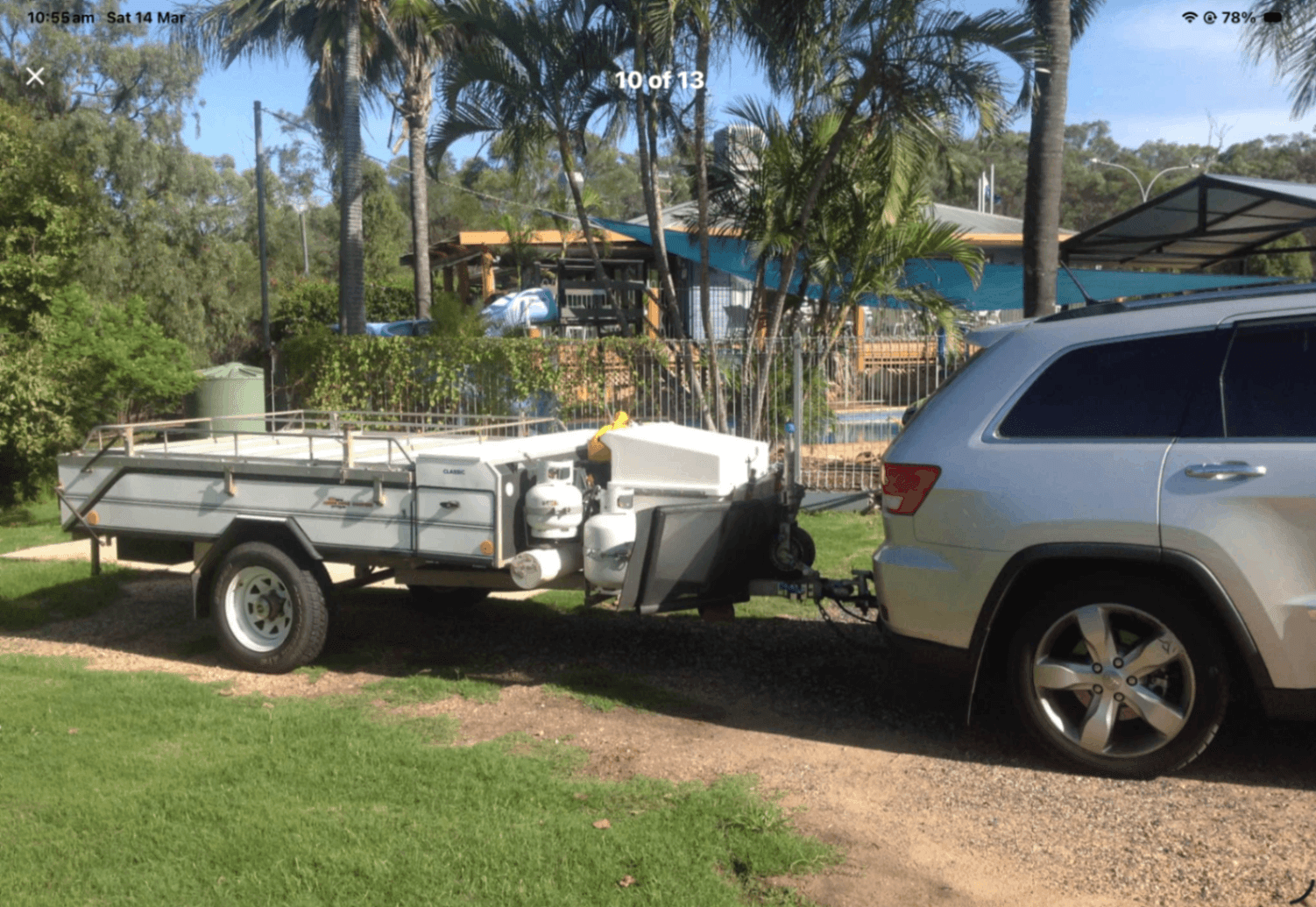
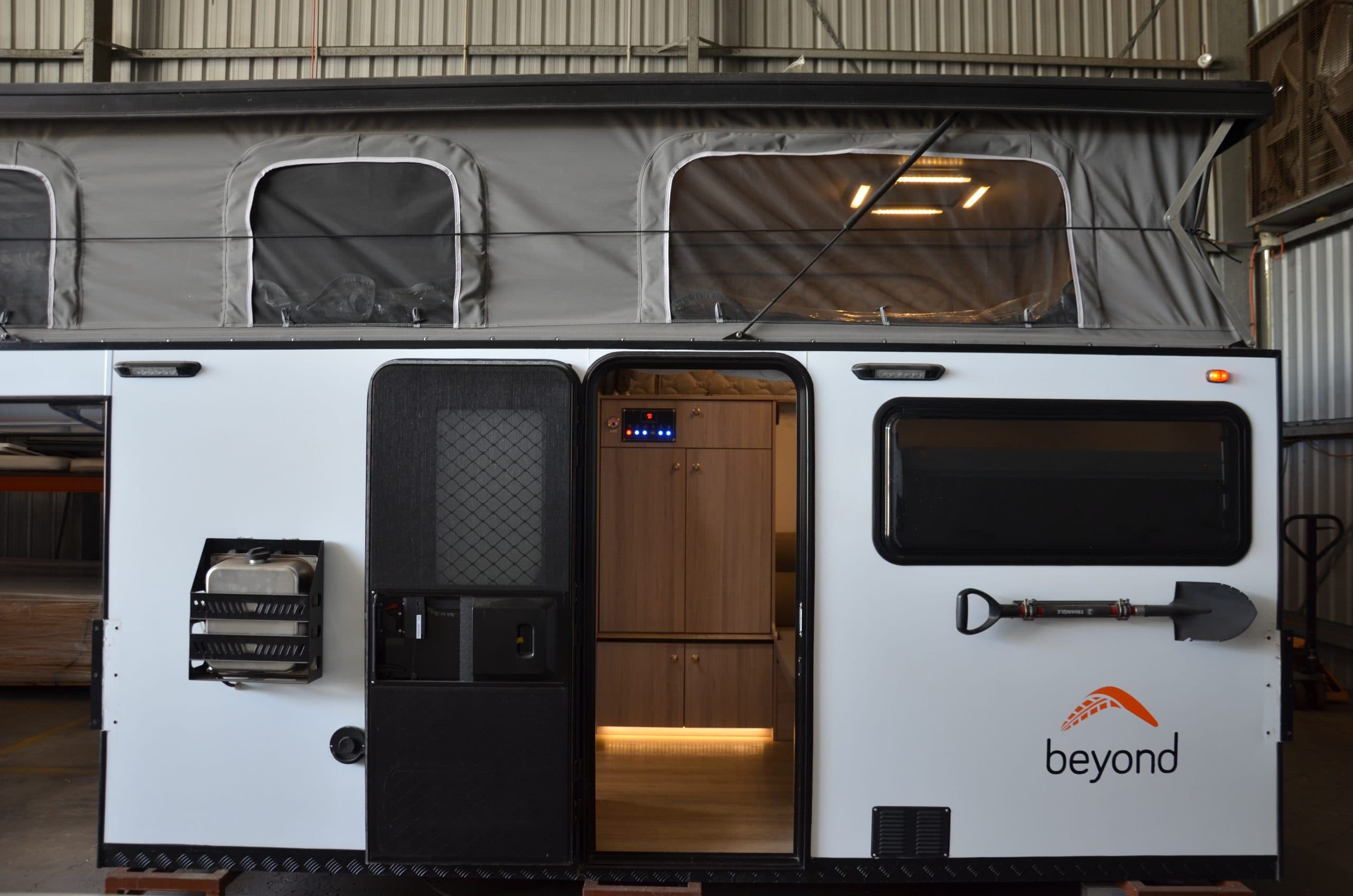
Most camper trailers use aluminium or composite frames with canvas or hard-shell sides. Inspect aluminium for corrosion (common in coastal areas), welds for cracks, and canvas for tears, mildew or UV degradation. Hard-shell construction (fibreglass or composite) resists weather and insects but is heavier and harder to repair. Check the coupling and tow hitch for rust and secure mounting. Look inside for water stains on walls and ceiling — a sign of past leaks. Verify that awnings deploy smoothly and that external lockers seal properly. On off-road models, check suspension bushes, skid plates protecting the water and battery, and that the chassis isn't bent or cracked.
Off-road capability and Australian terrain
Most camper trailers sold today carry off-road suspension and reinforced chassis, but capability varies. Look for independent suspension, ground clearance above 250 mm, and skid plates protecting water tanks and batteries. Test the jockey wheel — it should be sturdy enough for rough ground setup. Ask whether the model has been used on outback trips and inspect the undercarriage for impact damage from corrugations or rocky ground. Coastal corrosion is a real risk in northern Australia — ask about service intervals for the chassis and coupling. Lighter models (under 2200 kg ATM) are easier to recover if bogged, while heavier rigs carry more water and battery but need more power to extract.
How long can you camp off-grid?
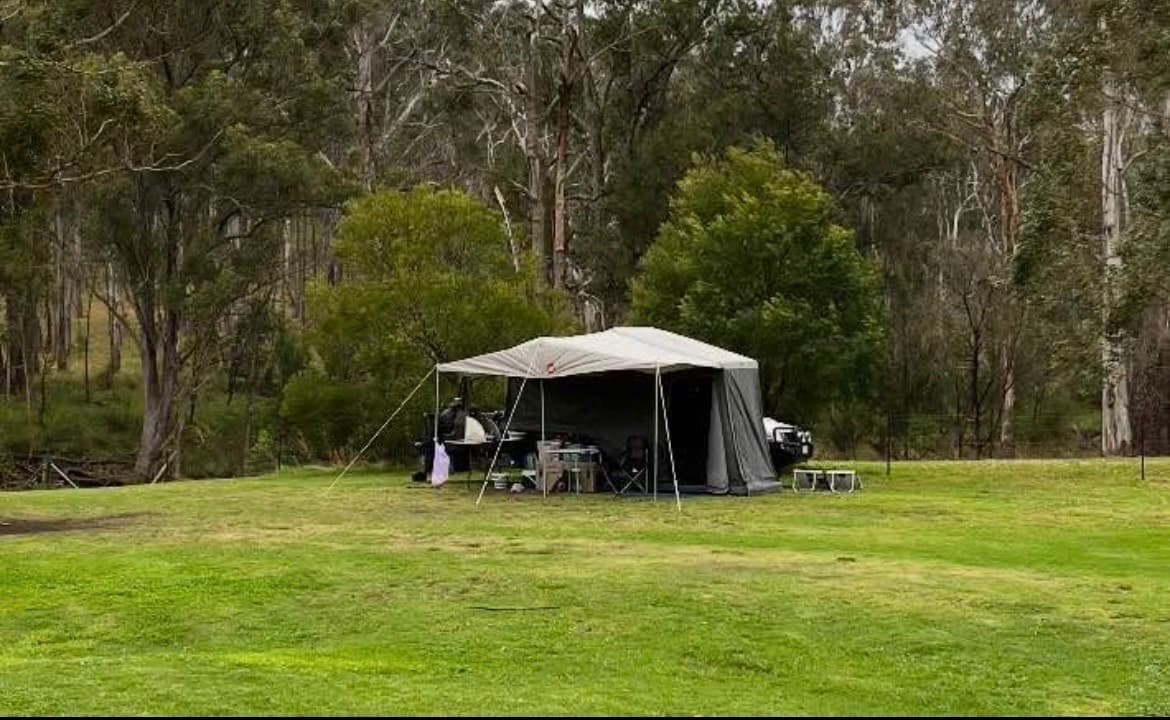
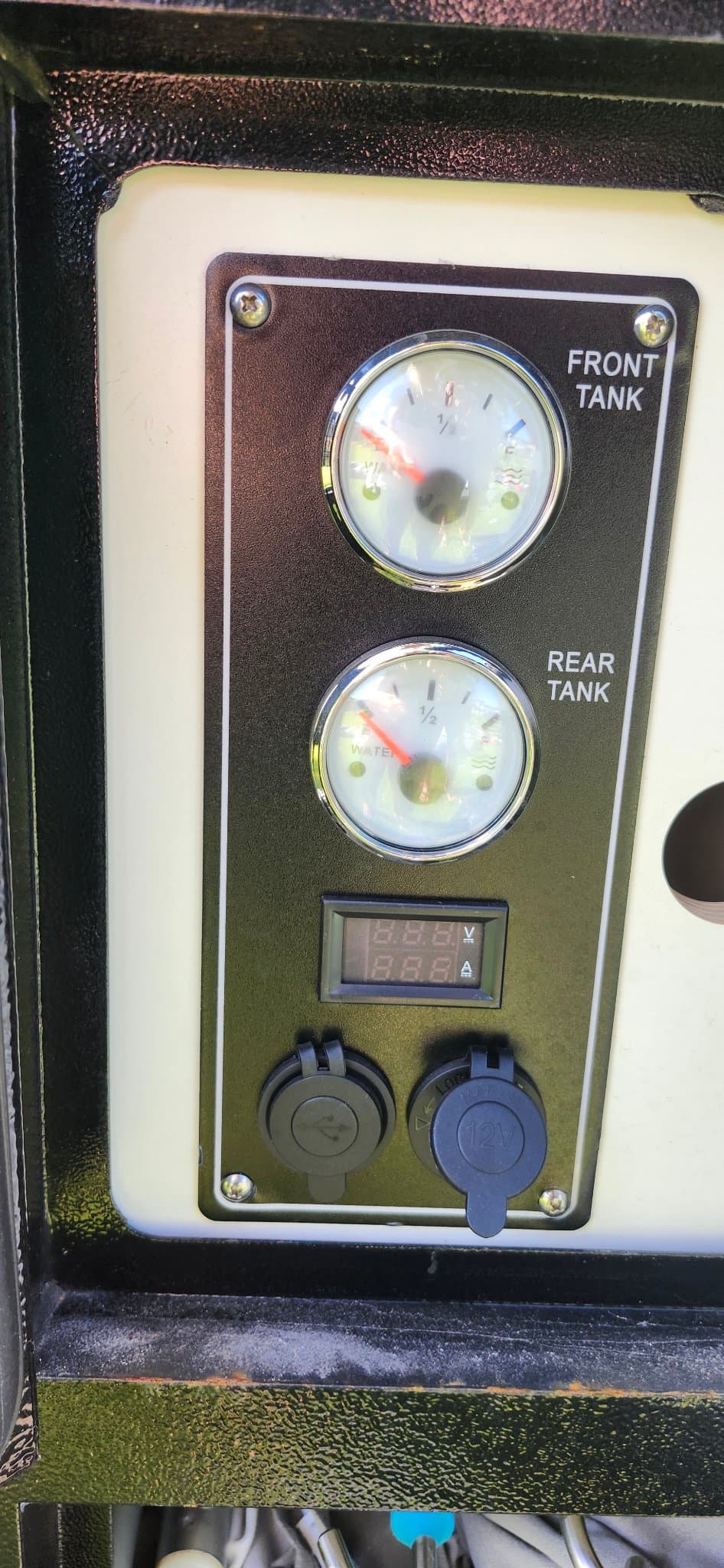
Off-grid endurance depends on water capacity, battery size, and solar output. Most camper trailers carry 50–120 litres of freshwater — enough for 2–5 days depending on shower frequency and cooking habits. Battery capacity varies from 100 Ah to 400 Ah; a dual-battery setup with 200W+ solar lets you run LED lighting, a small fridge and USB charging indefinitely in sunny climates. If you're planning month-long outback trips, prioritise models with large water tanks (100+ litres), dual lithium or AGM batteries, and proven solar output. Smaller couples rigs might need water top-ups every 3–4 days but suit shorter trips and established campgrounds.