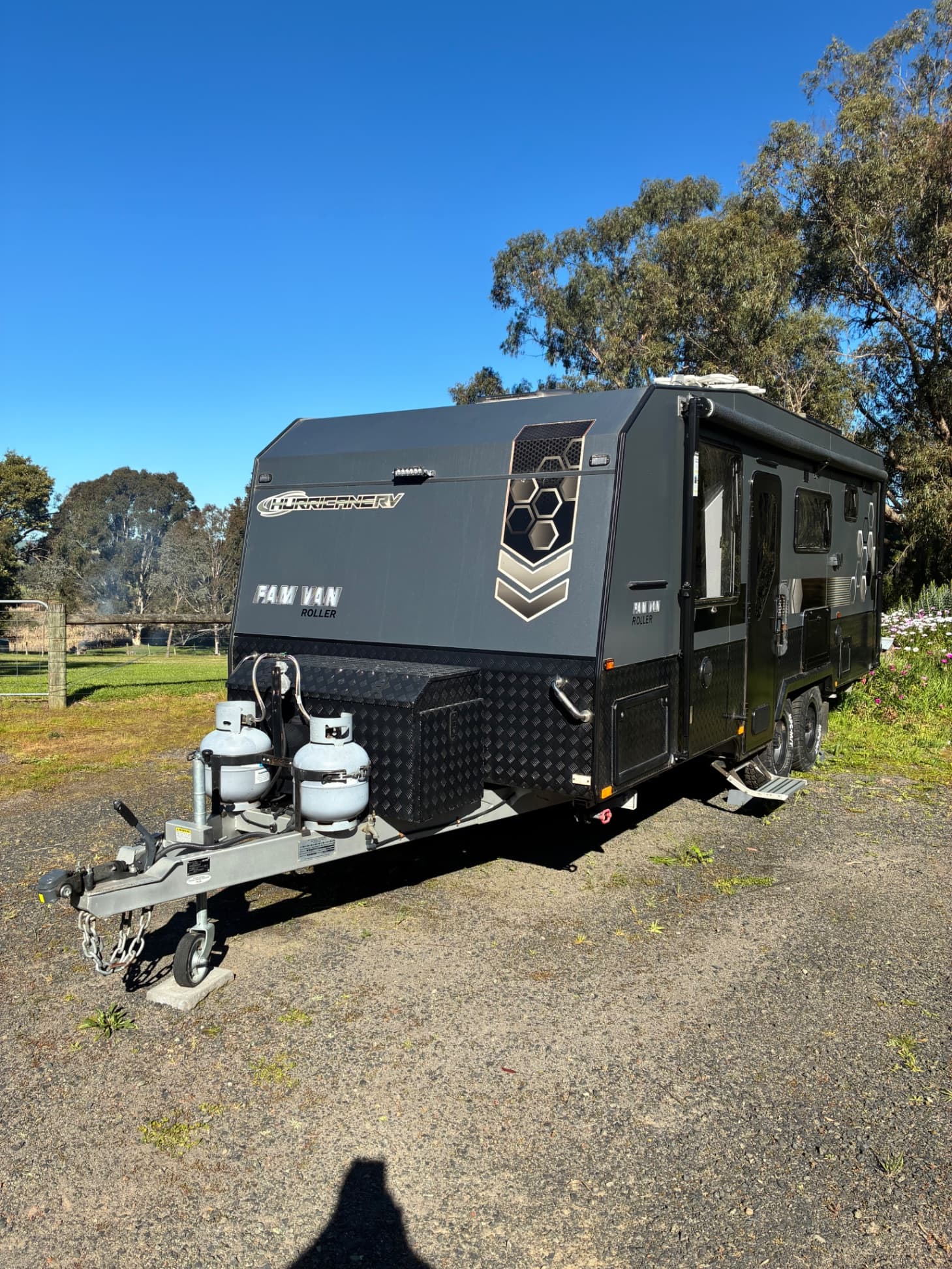
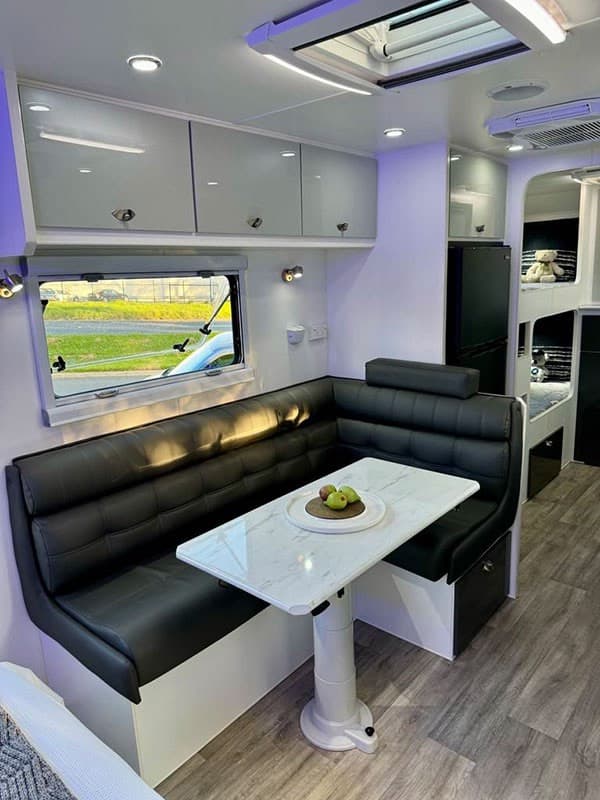
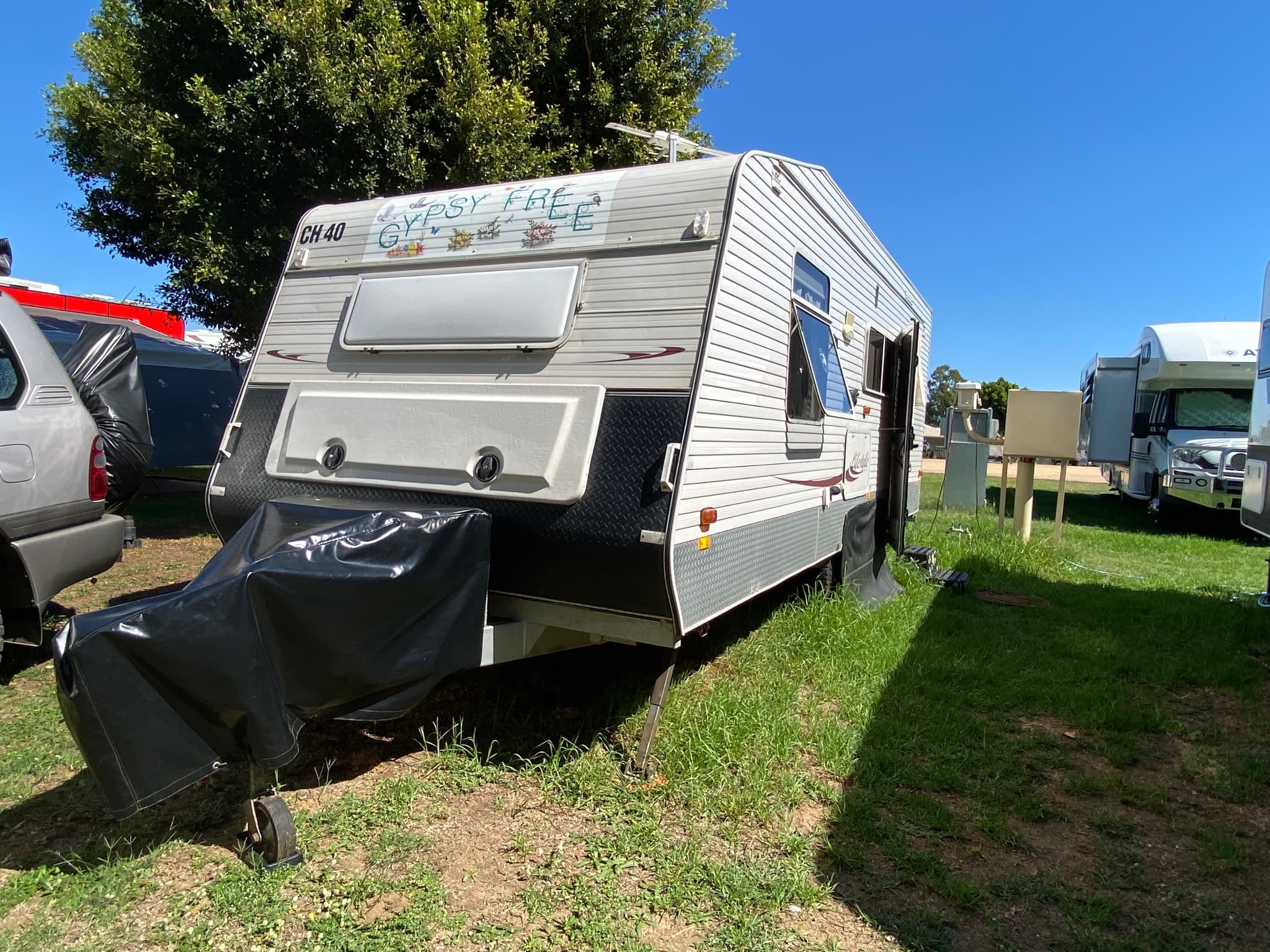
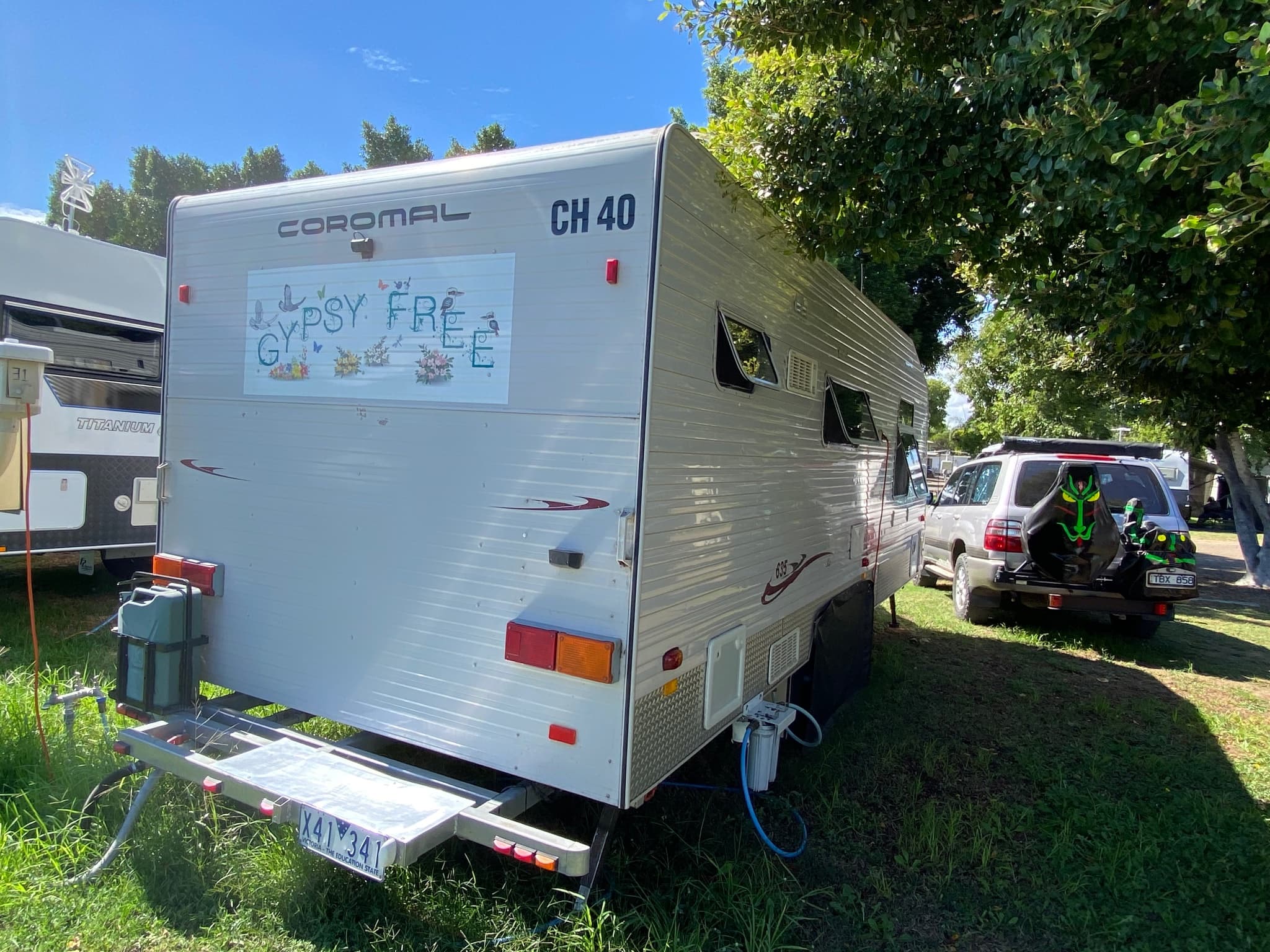
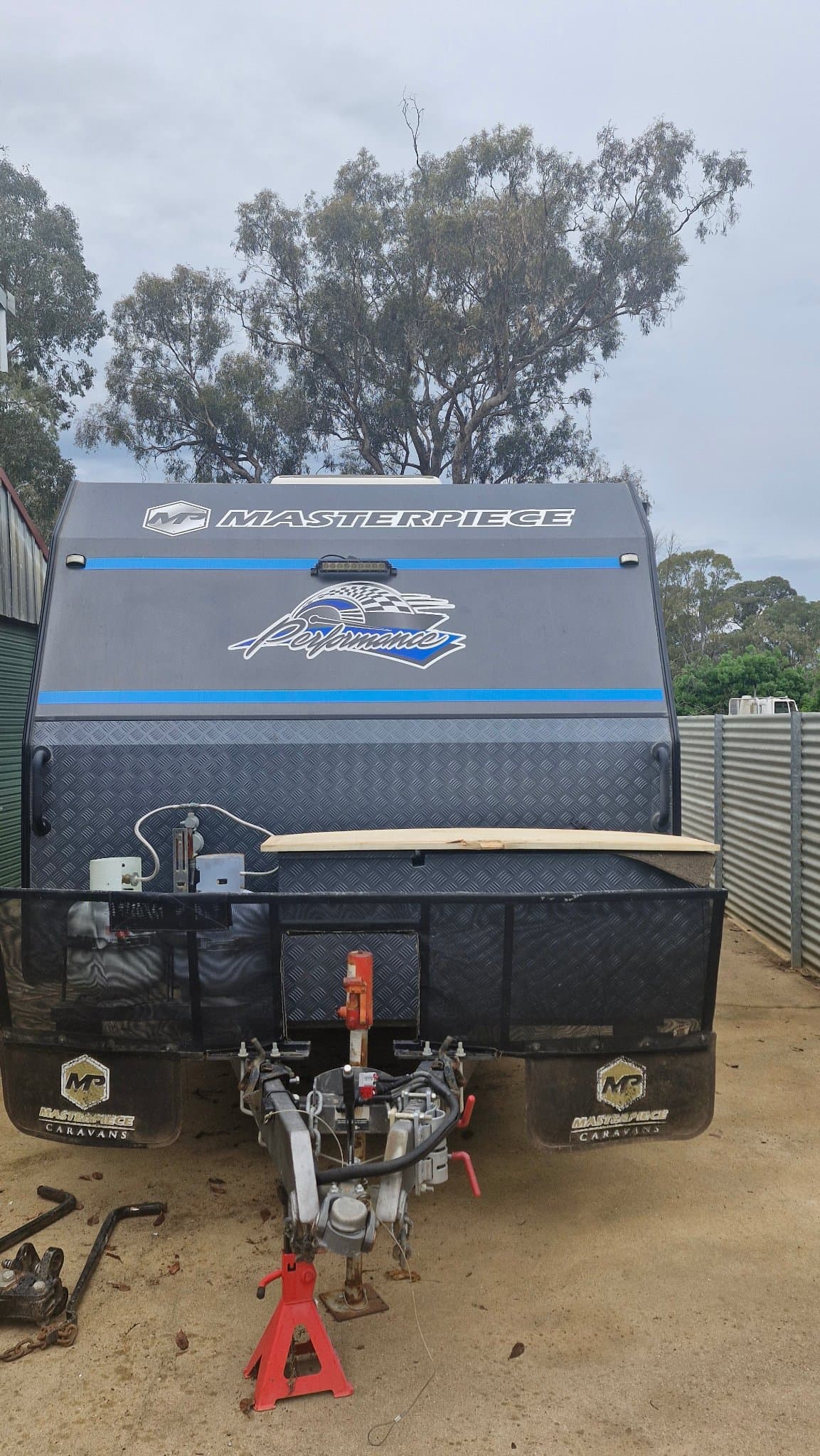
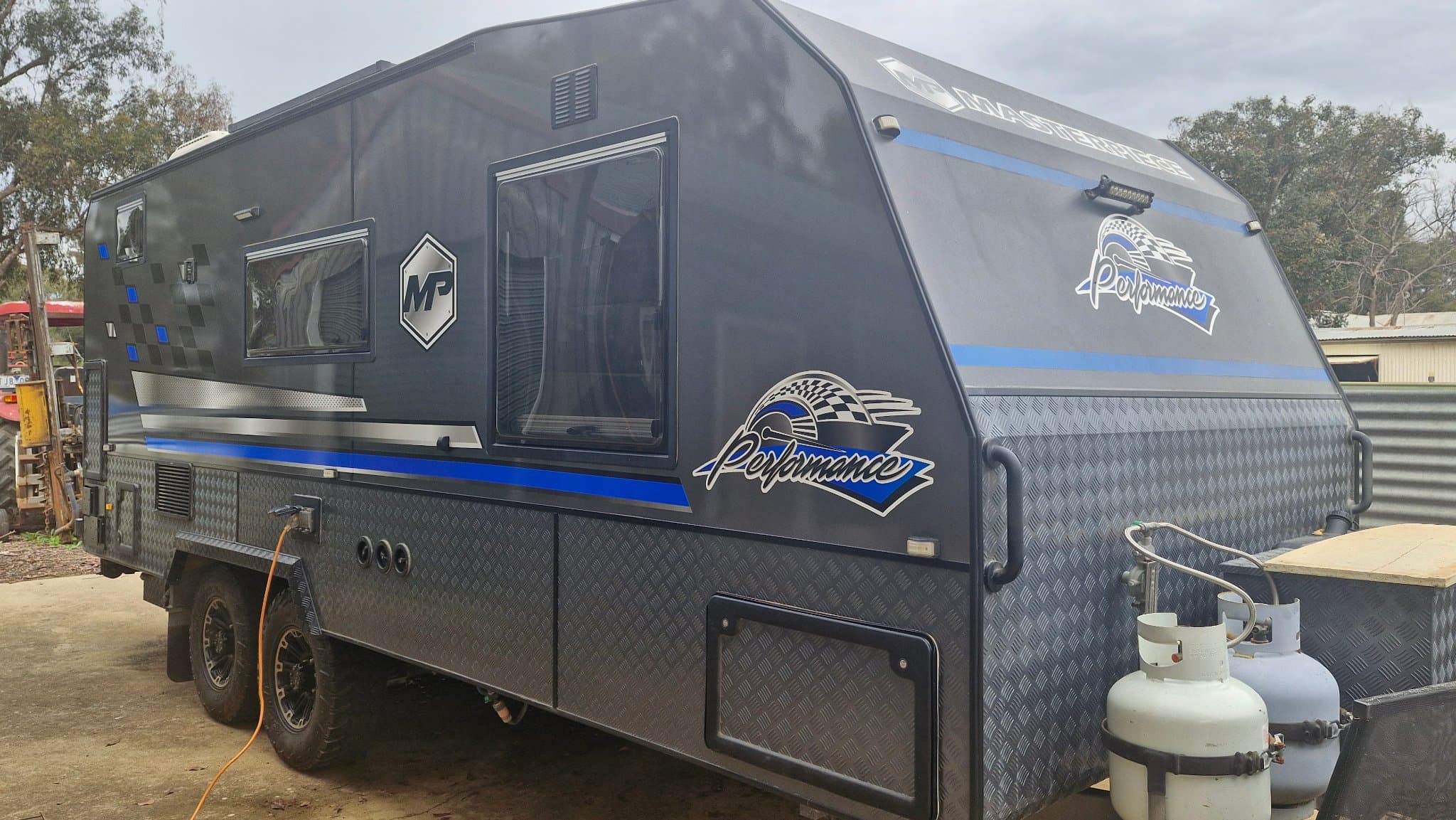
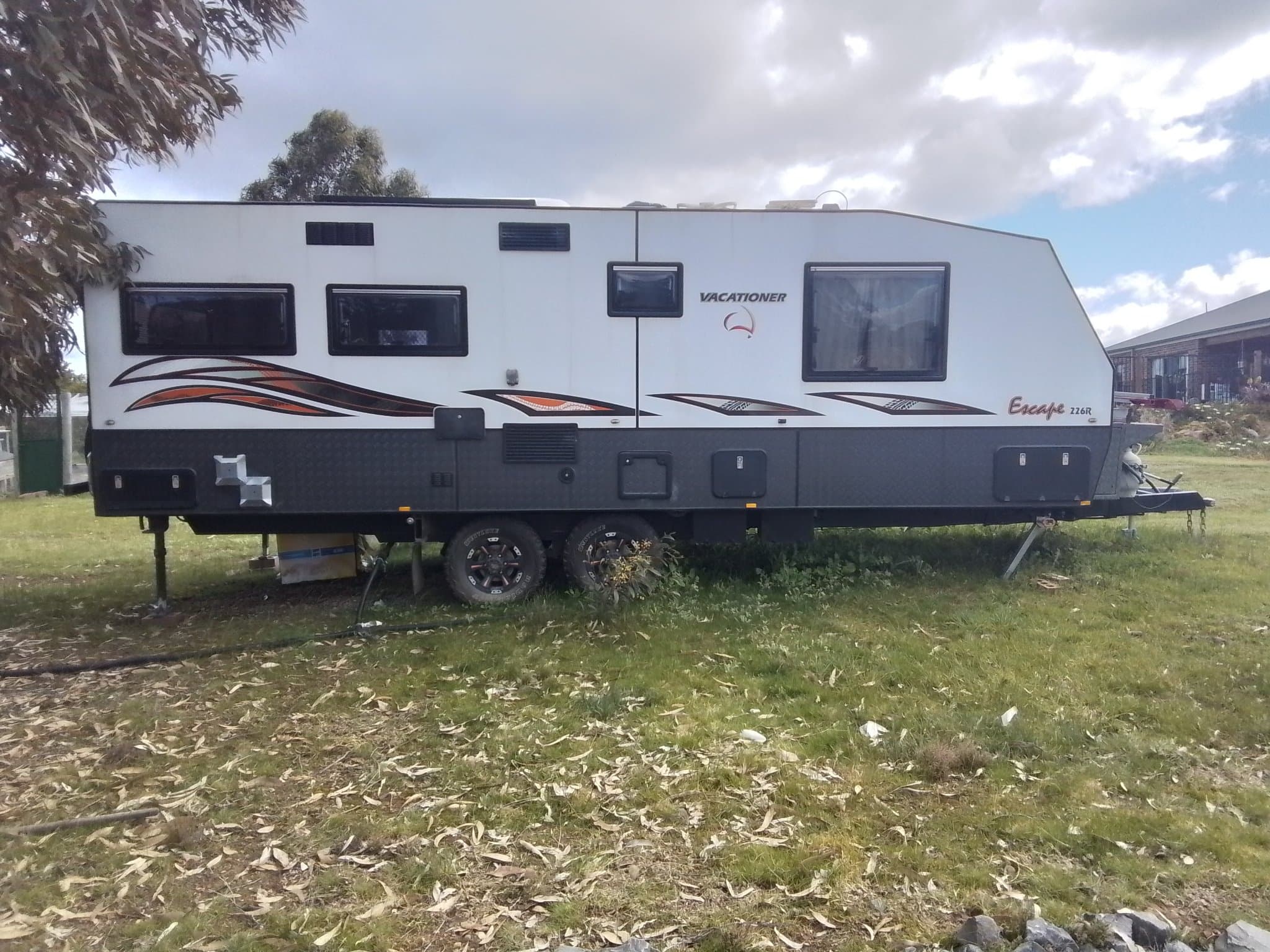
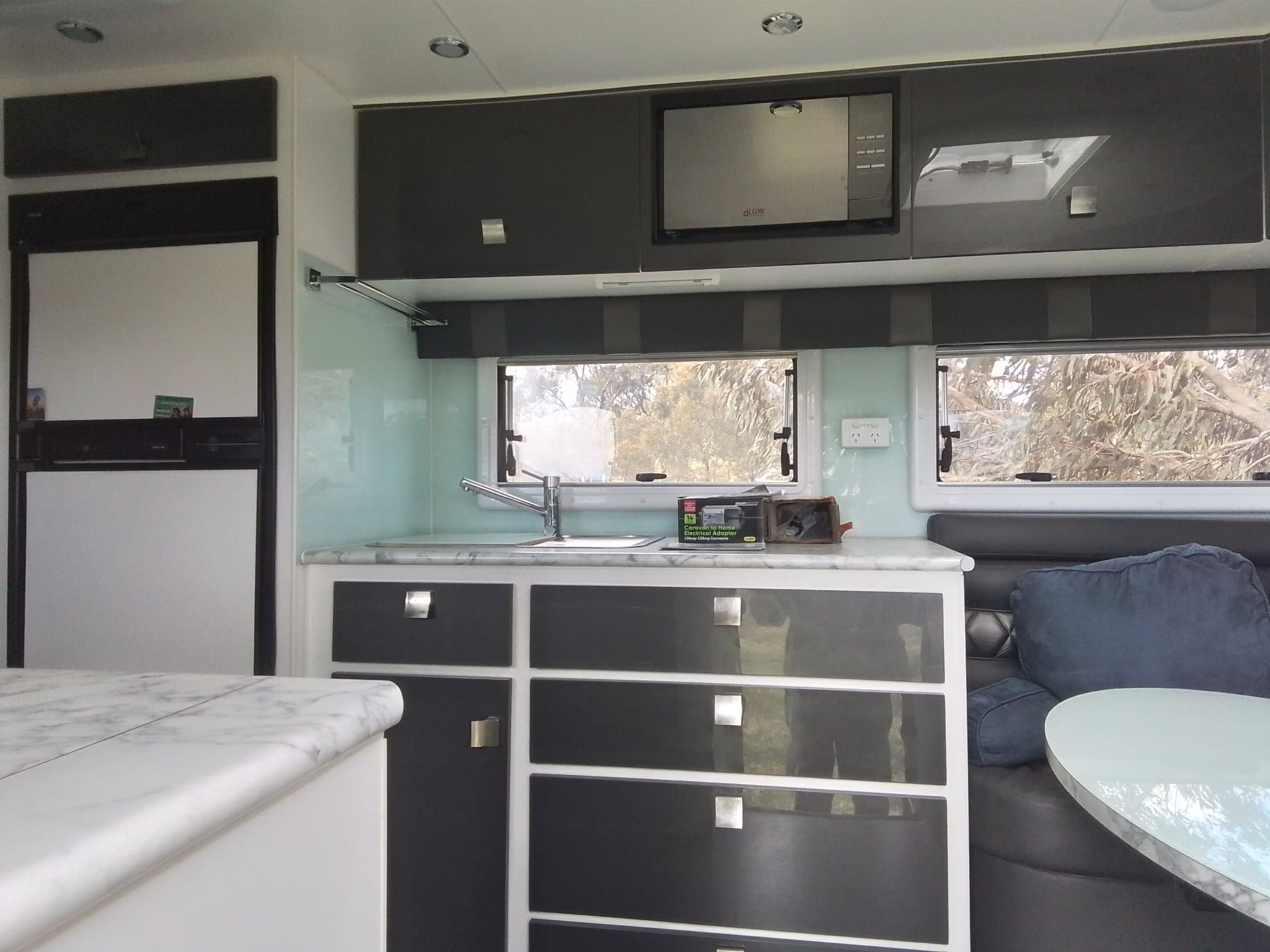
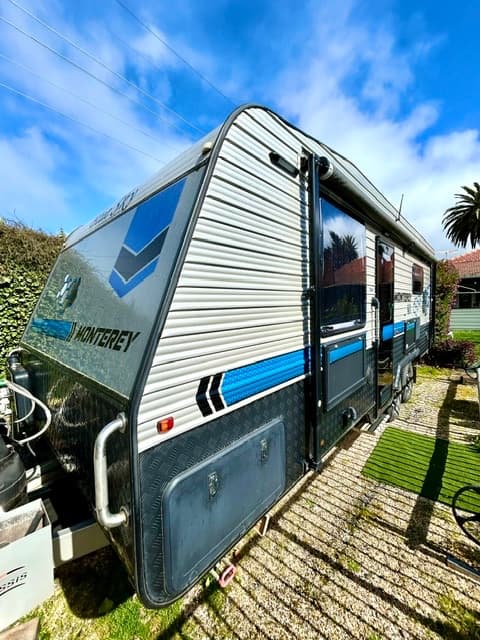
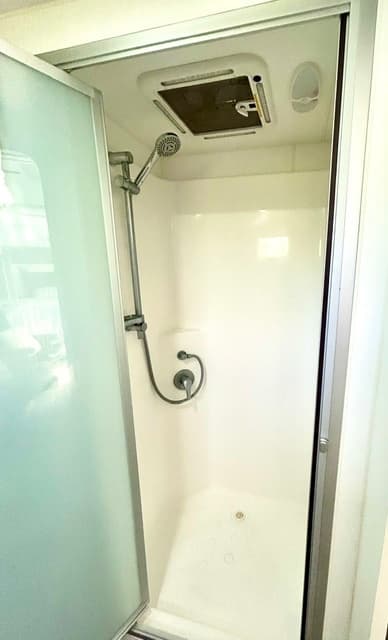
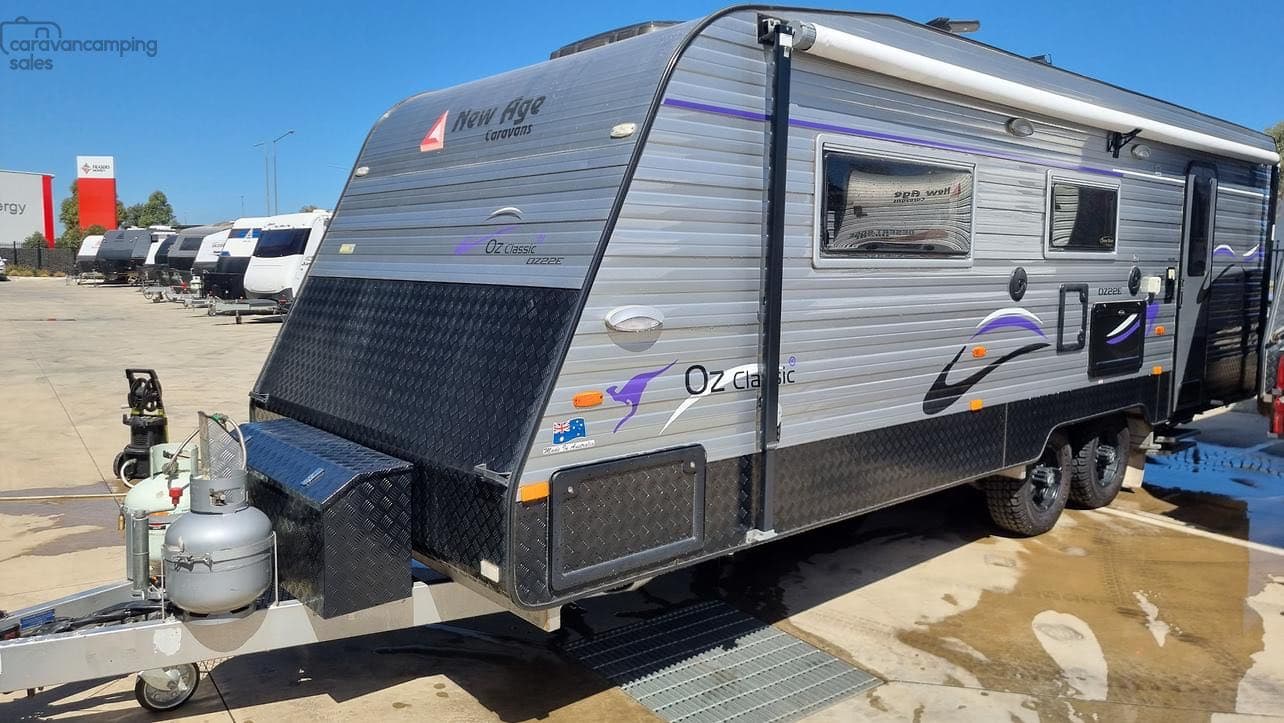
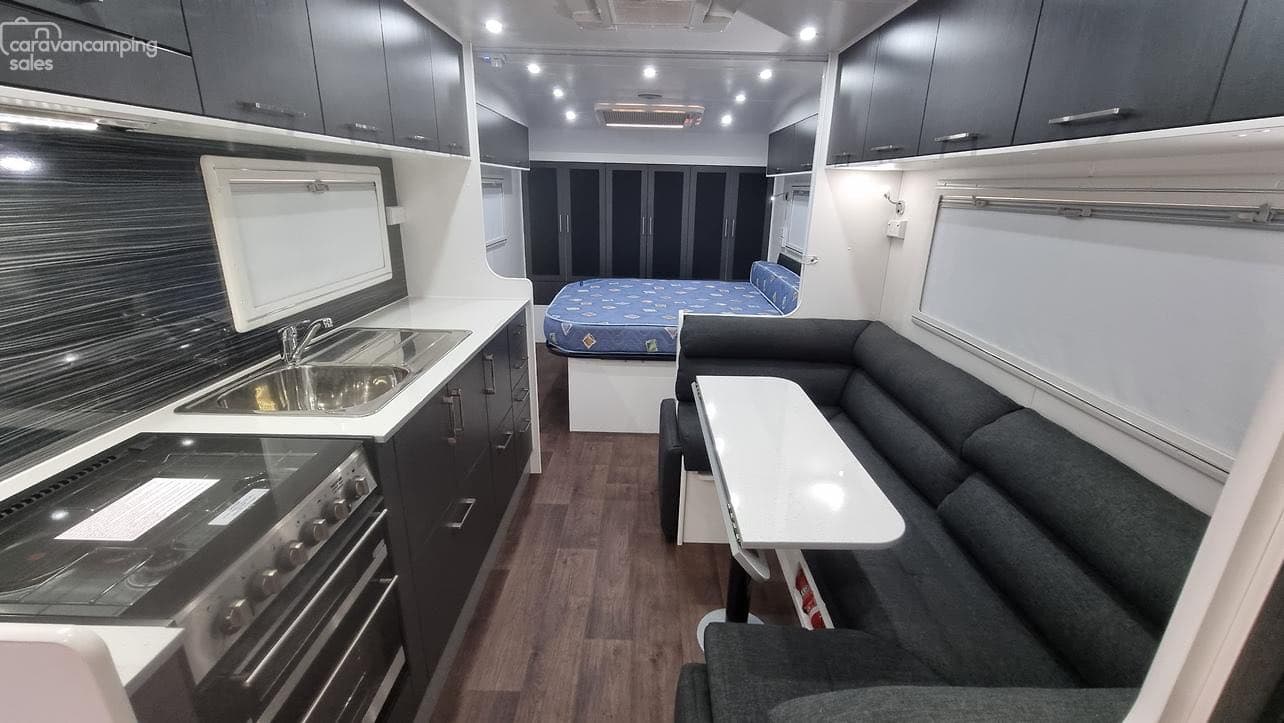
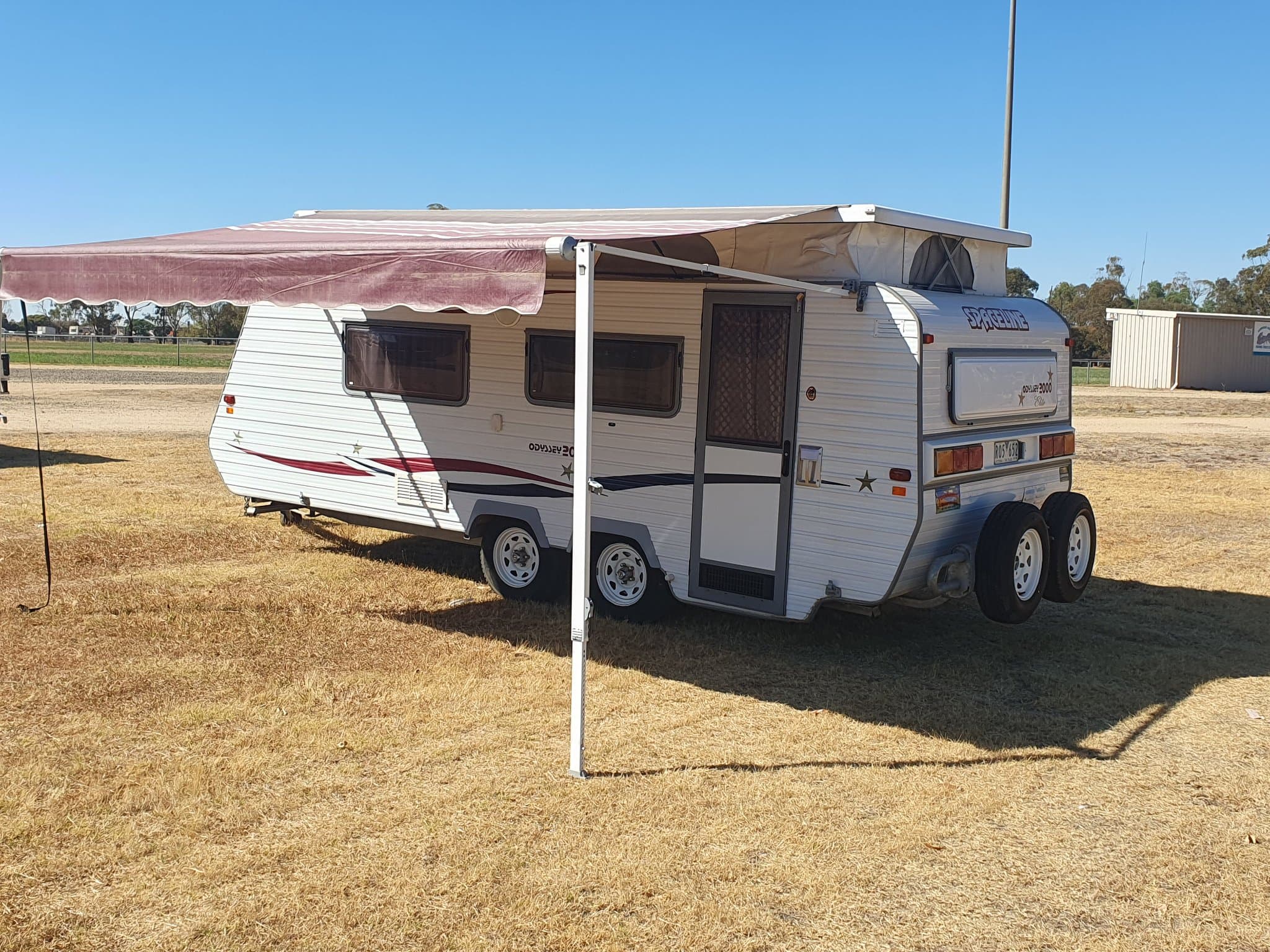
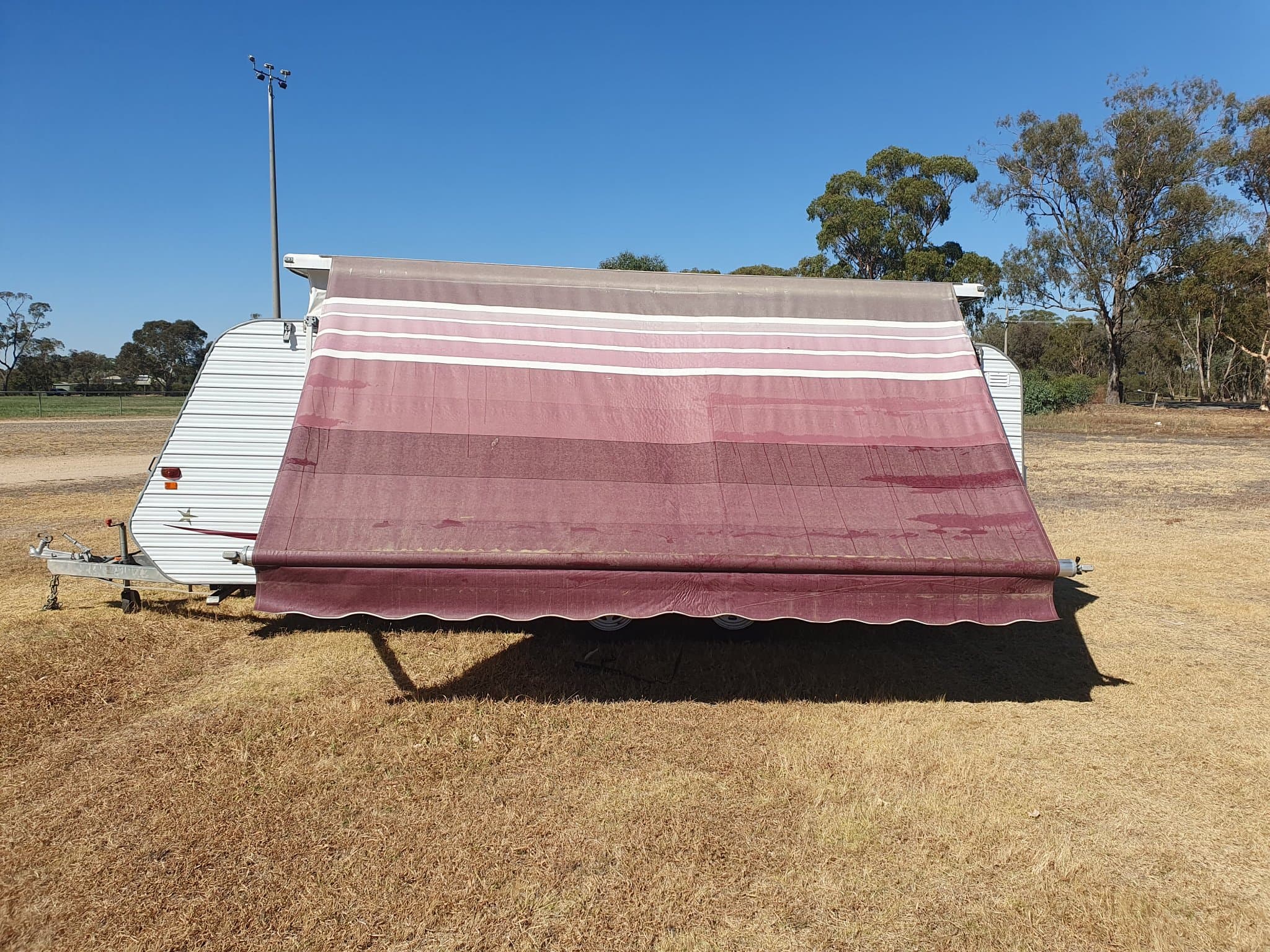
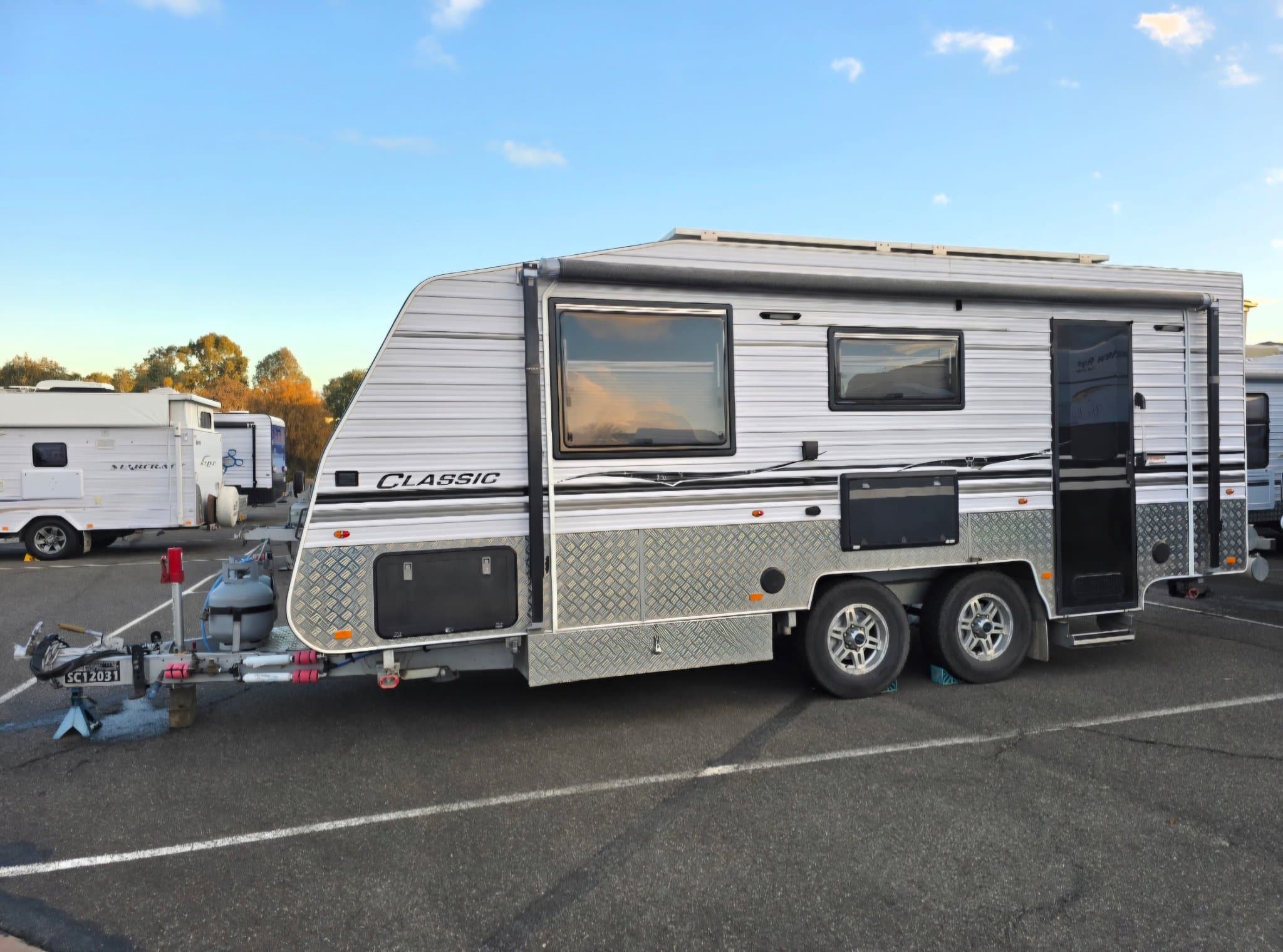
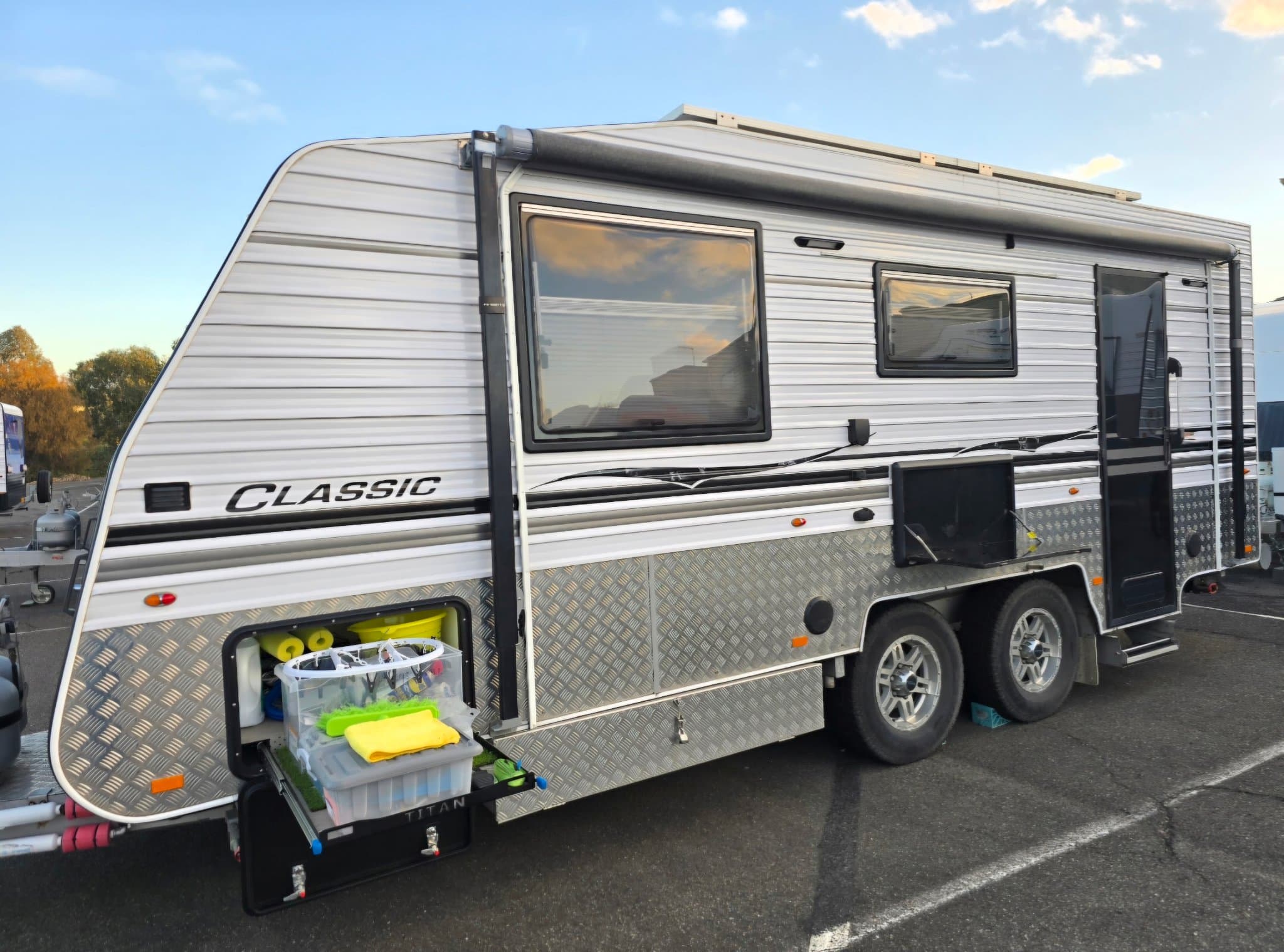
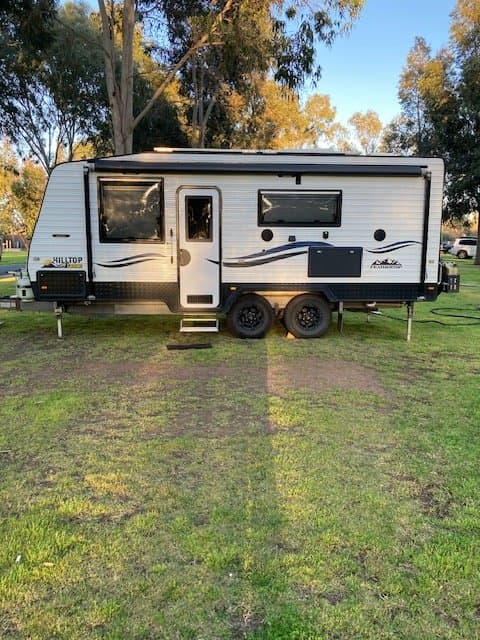
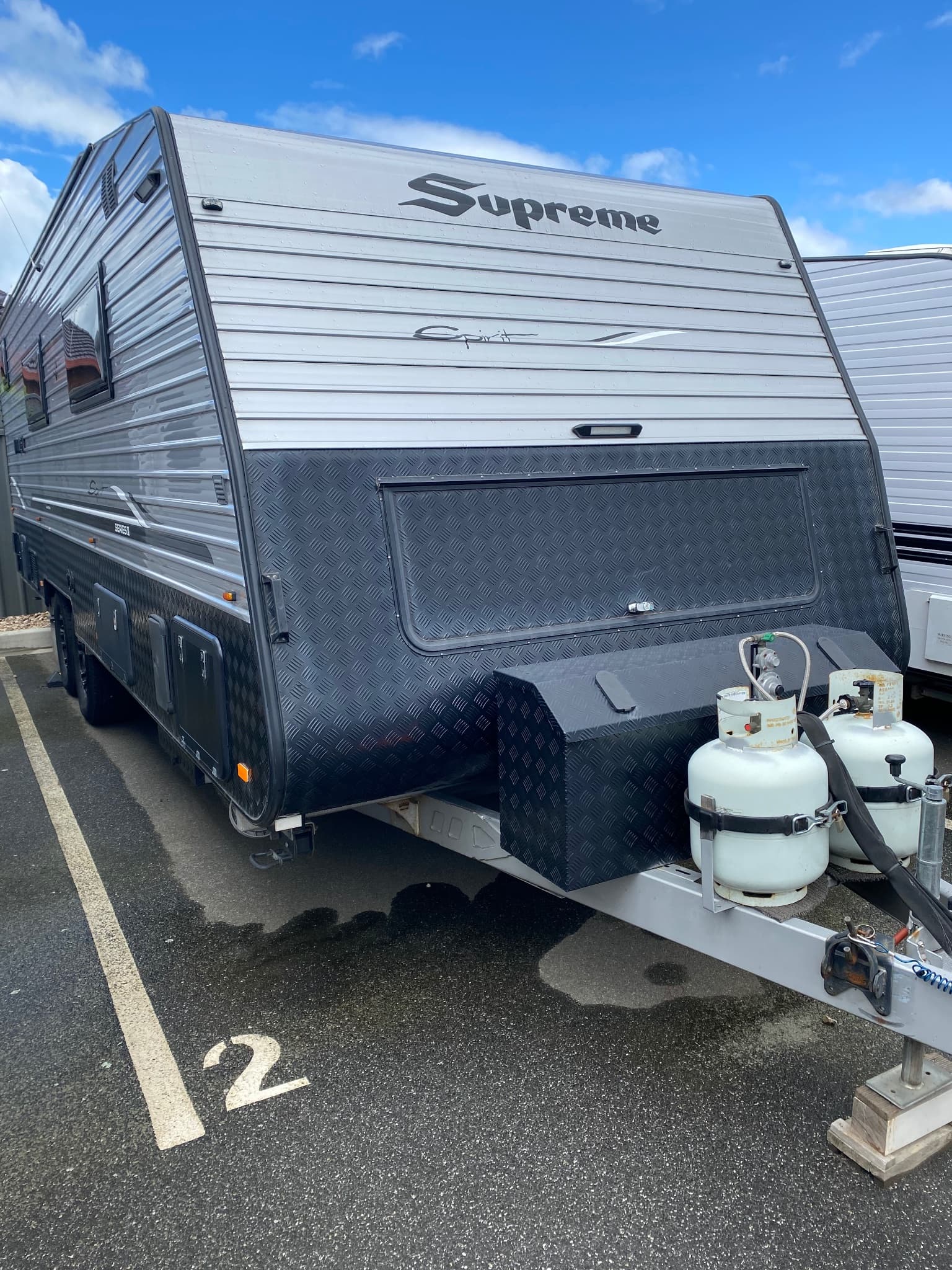
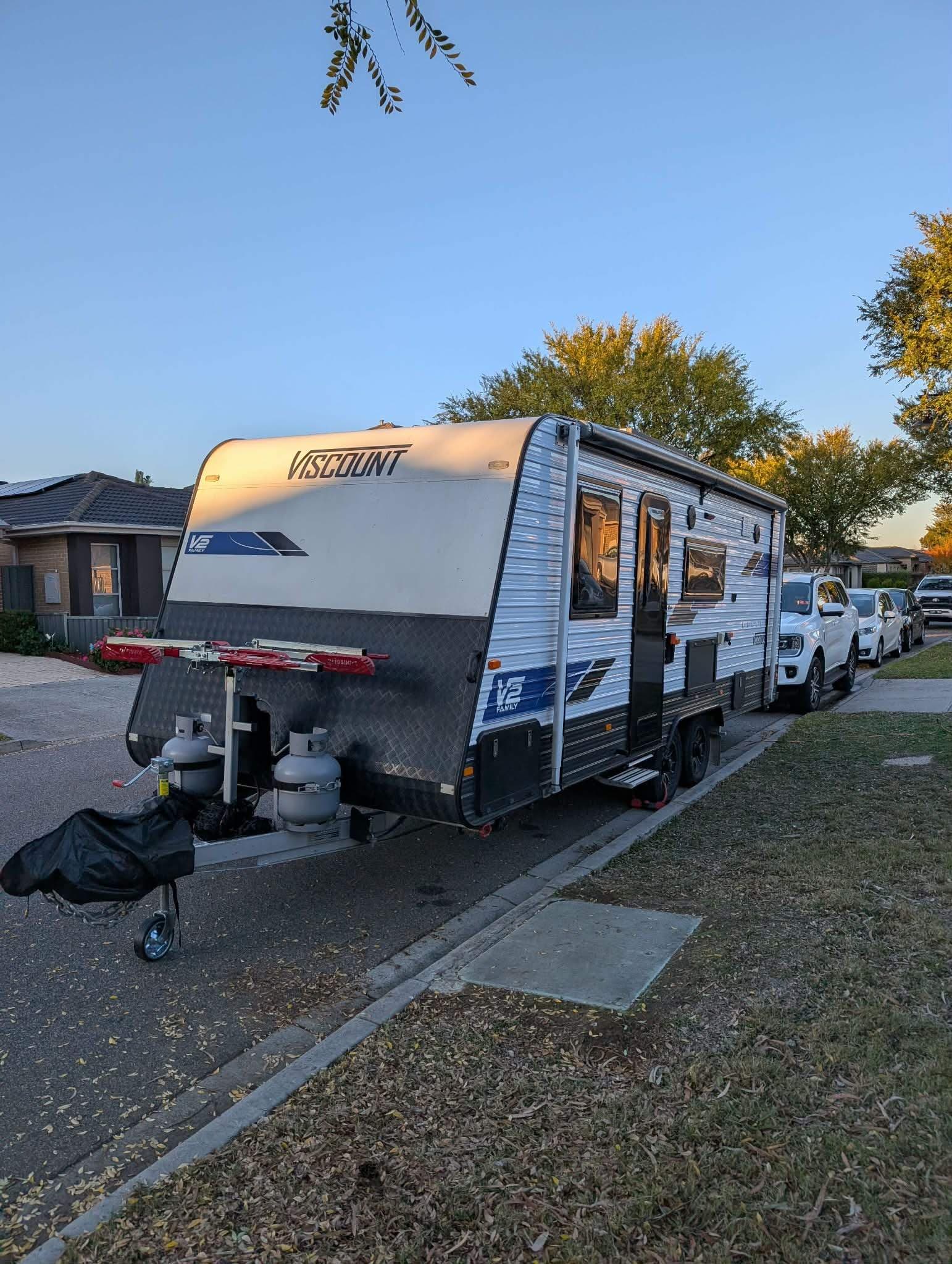
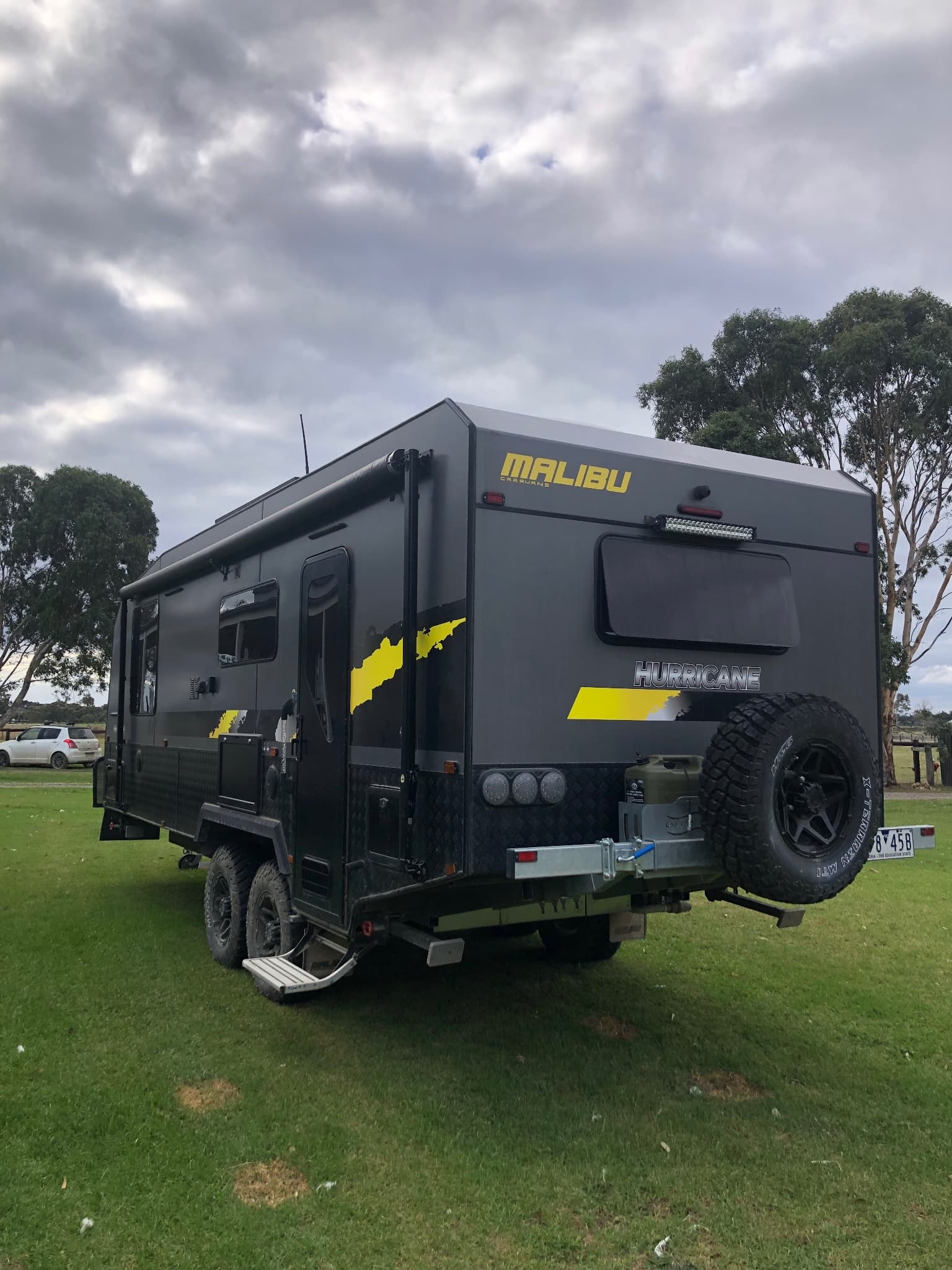
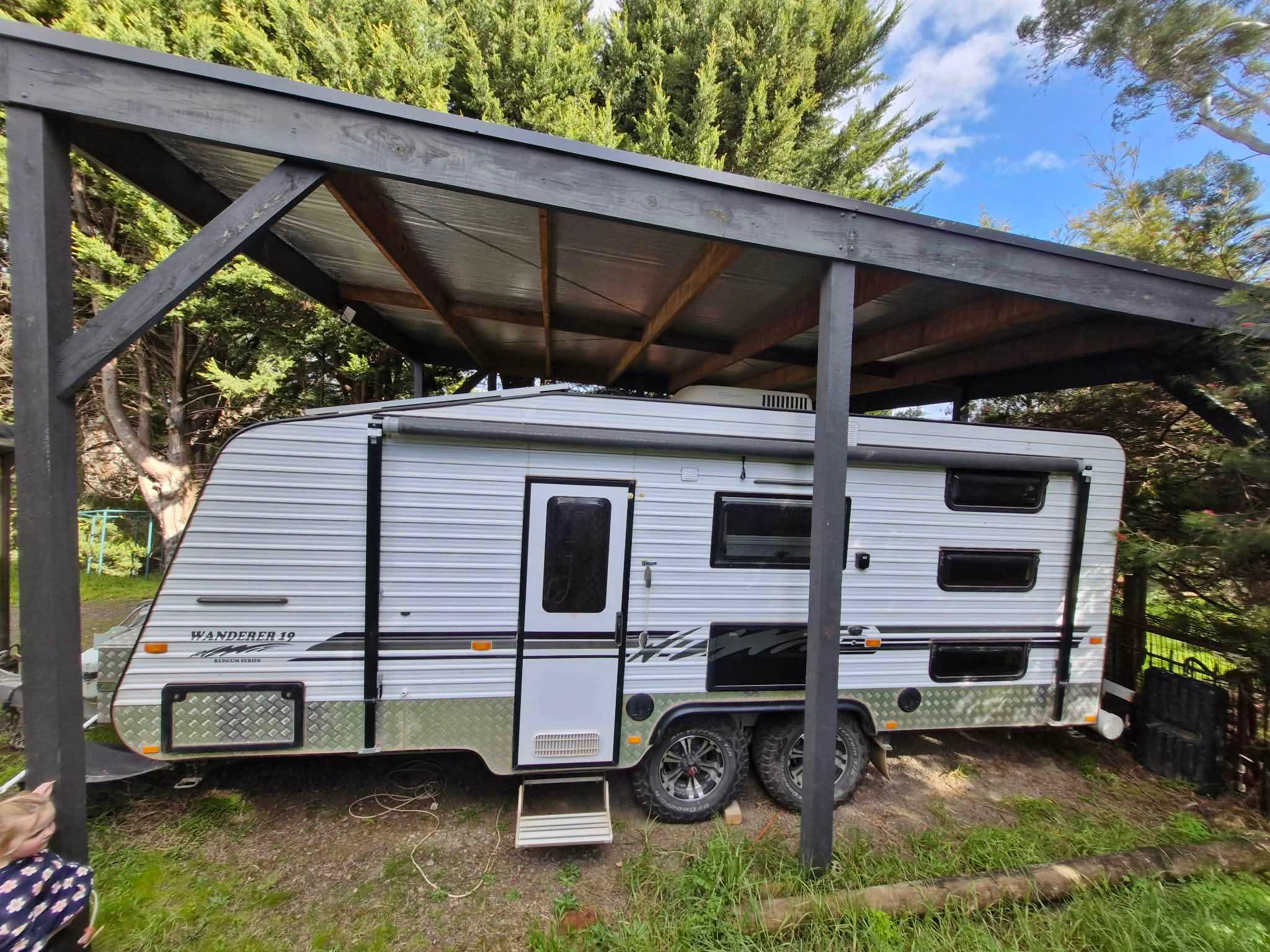
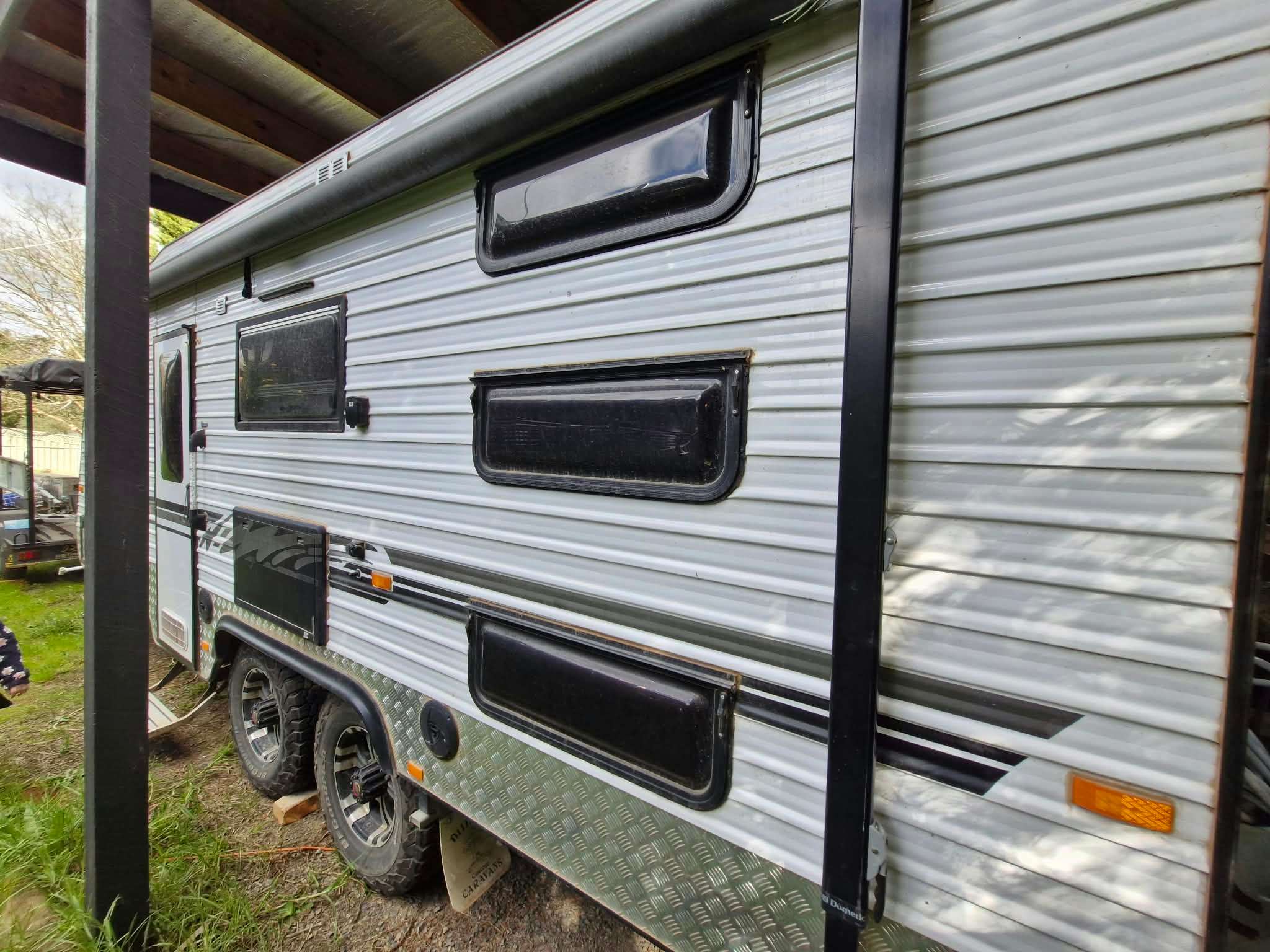
Compare 3 caravans for sale in Portland. Filter by make, year, weight class and specs from private sellers and verified dealers — and get pre-approved finance from 6.99% p.a. on every listing.
Be the first to know when a caravan is listed
We'll email you the moment a matching caravan goes live on VANTURE. Free, no account needed, unsubscribe any time.
We don't have many caravans in portland listed right now. VANTURE has 1 hybrids for sale — start there, or set an alert below and we'll let you know when a caravans in portland is posted.
Caravan fit depends on three core criteria: tow vehicle capacity, sleep configuration, and off-grid self-sufficiency. Check your car's towing capacity against the caravan's ATM — most modern caravans sit between 1500kg and 3500kg ATM, so verify your tow limit before shortlisting. Decide whether you need a couples' layout (2–3 sleepers), family bunks (4–5 sleepers), or convertible recliners. Then assess water capacity (50–150 litres typical), battery size (100–300Ah), and solar output (200–600W) based on how often you'll be off-grid. Filter by these attributes on VANTURE to narrow your search across the full 1,809-model database.
What you'll pay for a caravan in Australia
Price depends on age, condition, build quality, and equipment level. Older or simpler layouts cost less; newer models with premium aluminium chassis, large fresh-water and waste tanks, dual-battery systems, solar panels, and off-road suspension sit at the higher end. Set an alert to track pricing in your budget band and watch how similar models move — market demand shifts seasonally, so patience often reveals better value.
Tow vehicle compatibility and tare weight
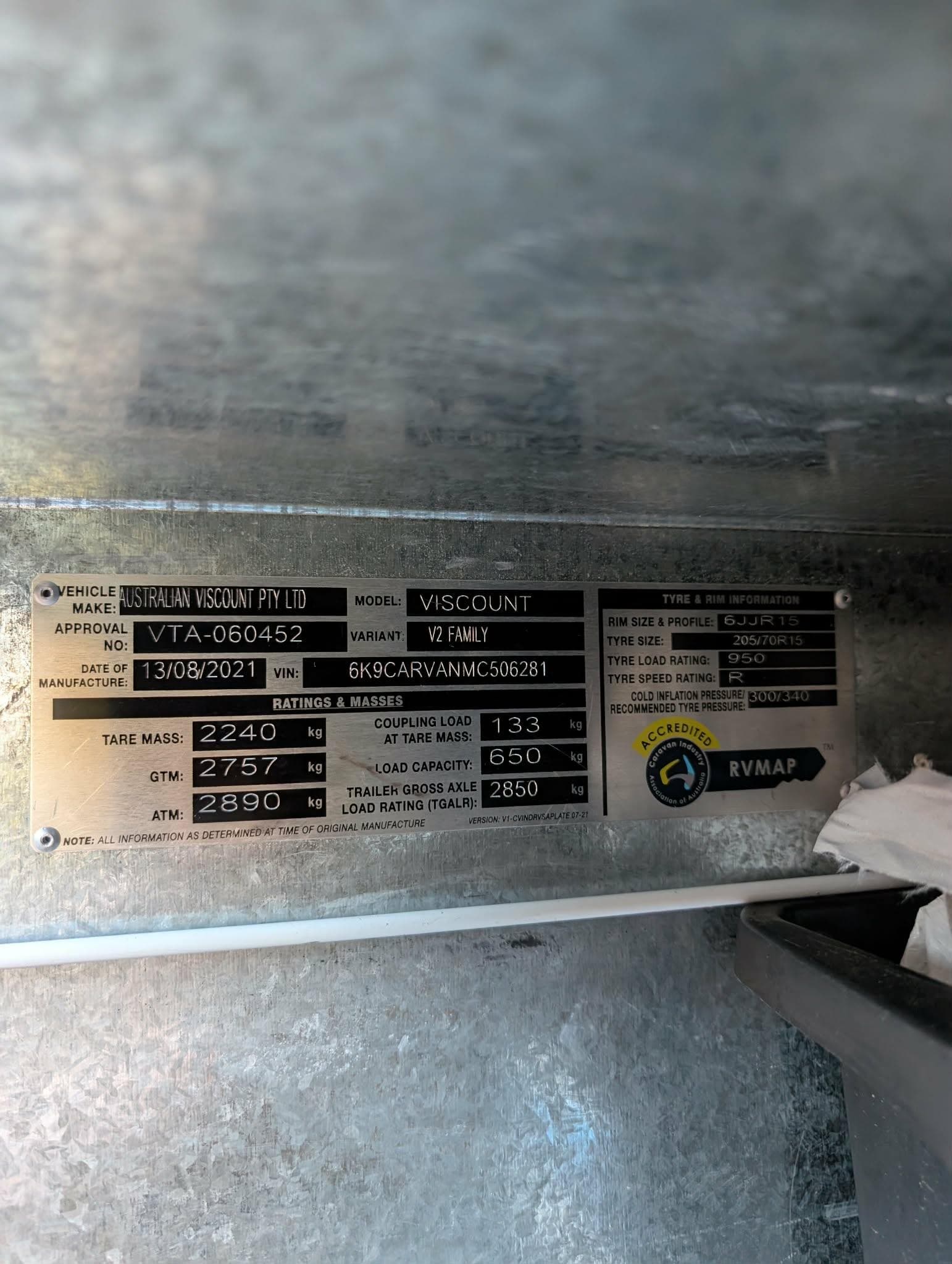
Your tow vehicle must safely handle the caravan's ATM (Aggregate Trailer Mass). Check your car's towing capacity in the owner's manual — common mid-size SUVs typically tow 2000–2500kg, while larger 4WDs manage 3000–3500kg. Match the caravan's ATM to this limit, then confirm your vehicle's braking and suspension are rated for the job. Remember that ATM includes full water tanks, gas bottles, and gear, so a caravan rated 2500kg ATM needs a vehicle with at least 2500kg towing capacity. Always verify the compliance plate and ask a dealer about ball-weight distribution — incorrect loading voids insurance and compromises stability.
Used versus new caravans
Used caravans dominate Australia's market and often deliver better value than new. A 5–10 year old caravan with sound construction and well-maintained systems can cost half what a new equivalent does, yet deliver identical functionality for family holidays or grey-nomad touring. Inspect seals around windows and hatches, check gas and electrical systems, and verify the chassis is straight and rust-free. New caravans offer warranty peace of mind and the latest layouts, but depreciation is steep in year one. Browse VANTURE's full range to compare pricing across age groups and condition states.
Build construction and what to inspect
Australian caravans are typically aluminium-framed with composite or timber-ply interiors. Check the chassis for rust — especially around the drawbar, coupling, and undercarriage. Inspect the roof and window seals for cracks or weeping; water ingress is a costly repair. Run your hand across the walls to detect soft spots (delamination). Test all windows, doors, hatches, and drawers for smooth operation. Look inside cupboards and under beds for mould or water staining. Request service records — regular maintenance dramatically extends caravan life. Ask a dealer to conduct a pre-purchase inspection if you're buying privately.
Off-grid capability and self-sufficiency
Modern caravans increasingly offer off-grid kits: solar panels (typically 200–600W), lithium or AGM batteries (100–300Ah), large freshwater tanks (80–150 litres), and waste water systems. A 200W solar system and 200Ah battery will power essentials (fridge, lighting, water pump) for 2–3 days in good sun; 400W and 300Ah extends that to a week. Freshwater capacity determines shower and cooking frequency — 100 litres suits couples for 3–4 days, while 150+ litres supports families longer. Review the spec sheet and physically inspect plumbing and electrical connections during your site visit to confirm systems are installed correctly.
Family versus couples versus solo configurations
Caravans sleep 2 to 6, so choose by intended occupancy. Couples' models (2–3 sleepers) are lighter, cheaper, and easier to manoeuvre; many feature recliner lounges that convert to beds. Family models (4–6 sleepers) include dedicated bunks or convertible dinettes and larger living areas — ideal for school holidays or full-time travel with kids. Solo travellers often prefer compact 2–3 sleeper layouts for fuel efficiency and campsite flexibility. Sleep comfort matters: check mattress type (pocket spring vs foam), ceiling height, ventilation, and whether the layout suits your height and movement preferences. Sit in the bed during your inspection — it's where you'll spend a third of your time touring.
Frequently asked questions about caravans
How much does a caravan cost in Australia?
Price reflects age, condition, build quality, layout, and off-grid equipment. Set an alert to watch listings in your budget band — prices shift seasonally and with condition, so tracking the market helps you spot genuine value.
How much does a caravan weigh?
Caravans typically range from 1500kg to 3500kg ATM (Aggregate Trailer Mass), depending on size and spec. Compact 2–3 sleeper models sit around 1500–2000kg ATM; mid-size family caravans (4–5 sleepers) fall in the 2000–2800kg range; large or premium tourers with full off-grid kits reach 2800–3500kg ATM. Your tow vehicle must safely handle the caravan's ATM — check your car's towing capacity in the owner's manual and match it conservatively. Always verify the compliance plate on the caravan to confirm the exact ATM.
How long does a caravan last?
A well-maintained caravan typically lasts 15–25 years of regular touring use — some exceed 30 years. Lifespan depends on build quality, environmental exposure (UV, salt, dust), maintenance frequency, and usage intensity. Australian conditions (heat, corrugations, coastal salt) accelerate wear on seals, chassis, and fabric. Request service records from the seller; caravans with regular maintenance, prompt seal replacement, and annual inspections last significantly longer. Inspect the chassis for rust and seals for cracks before buying used — these repairs are costly if left unaddressed.
What should I check when buying a used caravan?
Inspect the chassis for rust, especially around the drawbar, coupling, and undercarriage — rust is expensive to repair and signals neglect. Check all window, door, and hatch seals for cracks, weeping, or hardening; water ingress causes interior mould and timber rot. Run your hands over the walls and ceiling to detect soft spots or delamination (signs of impact damage or water penetration). Test all electrical systems — 12V lights, water pump, fridge, and 240V outlets. Listen for fridge operation and smell for mould inside cupboards, under beds, and in the waste water system. Ask for service records and arrange a pre-purchase inspection with a mechanic or dealer if buying privately.
Are caravans still being made in Australia?
Yes — several Australian manufacturers build caravans in-country using local labour and aluminium-frame construction. Many premium and mid-range models are also imported from Europe, South Africa, or Asia and finished locally with Australian compliance work. This mix gives buyers the choice between locally-built durability and imported engineering. No single origin guarantees quality — inspect the individual caravan's condition, seals, and chassis regardless of manufacture location. Browse VANTURE's 206 brands to compare both locally-made and imported options.
Can I tow a caravan with my SUV or 4WD?
Yes, if your vehicle's towing capacity matches or exceeds the caravan's ATM. Most modern SUVs tow 2000–2500kg; larger 4WDs manage 2500–3500kg. Check your owner's manual for the exact towing limit, then match it to the caravan's ATM (listed on the compliance plate). Remember that ATM includes full water tanks, gas, and gear — so a 2500kg ATM caravan needs a vehicle rated for at least 2500kg towing. Confirm your brakes and suspension are adequate for the load. If in doubt, ask a dealer — incorrect towing weight voids insurance and compromises safety.
How off-road capable are modern caravans?
Many caravans now feature off-road-oriented specs: independent suspension, reinforced chassis, higher ground clearance (250–300mm), skid plates for protection, and dust seals. These additions make them suitable for corrugated tracks, rough station roads, and remote touring — though no caravan matches a purpose-built 4WD's articulation or fording depth. Off-road caravans are heavier and typically cost more than on-road equivalents due to upgraded suspension and protection. Filter VANTURE's listings by off-road capability to see models in this class, then verify specs like suspension type, ground clearance, and stone guards against your intended terrain.
Is a caravan worth buying second-hand?
Second-hand caravans often offer exceptional value — a 5–10 year old model can cost 40–50% less than new, yet deliver identical touring capability for decades. Depreciation is steep for new caravans in year one, so buying used lets you avoid this loss. The trade-off is inspection risk — you must check the caravan thoroughly (or pay a mechanic to do so) to avoid inheriting water damage, rust, or failed systems. Browse VANTURE's inventory to compare pricing across age groups; set an alert in your budget band to watch how similar models trade and spot genuine value when it appears.
What's the cheapest caravan currently for sale on VANTURE?
Browse all 0 caravans now and set a free alert for new entries below your budget — you'll be notified the moment a caravan matching your criteria is listed, giving you first look at emerging value.
Compare competitive rates from 30+ lenders. Pre-approval in minutes with no impact on your credit score. Tailored for caravans, campervans and motorhomes.